European airlines are bracing for higher fares and route adjustments as escalating conflict in the Middle East drives up fuel costs and disrupts established flight paths. The crisis, triggered by a US-Israeli attack on Iran in late February, has prompted carriers to reroute flights, adding capacity to Asia and warn passengers to book early.
Air France-KLM and Lufthansa, among others, are adding flights via Asia as hubs in the Gulf region operate at reduced capacity or are entirely closed, according to industry executives speaking in Brussels this week. The carriers acknowledged that while fuel price hedging offers some short-term protection, they will inevitably need to pass on increased costs to passengers.
“Hedges on the price are starting to unwind, spelling higher fares,” said Kenton Jarvis, chief executive of EasyJet, while downplaying immediate fuel supply concerns in Europe. Ryanair’s Michael O’Leary echoed this sentiment, stating that sustained fuel price increases over six months would pose a significant challenge.
The price of kerosene, a jet fuel, was already 94% higher at the end of last week compared to the annual average, according to Iata’s jet fuel monitor. The price of crude oil also rose sharply on Thursday amid escalating hostilities, further compounding the issue.
The disruption is not limited to long-haul routes. Several airlines, including Air France, Lufthansa, KLM, and ITA Airways, had already cancelled or suspended flights to destinations including Tel Aviv, Beirut, Dubai, and Riyadh as of early March 2026, as reported by Reuters and Anadolu Ajansı. British Airways offered passengers free changes or refunds for flights to several Middle Eastern cities.
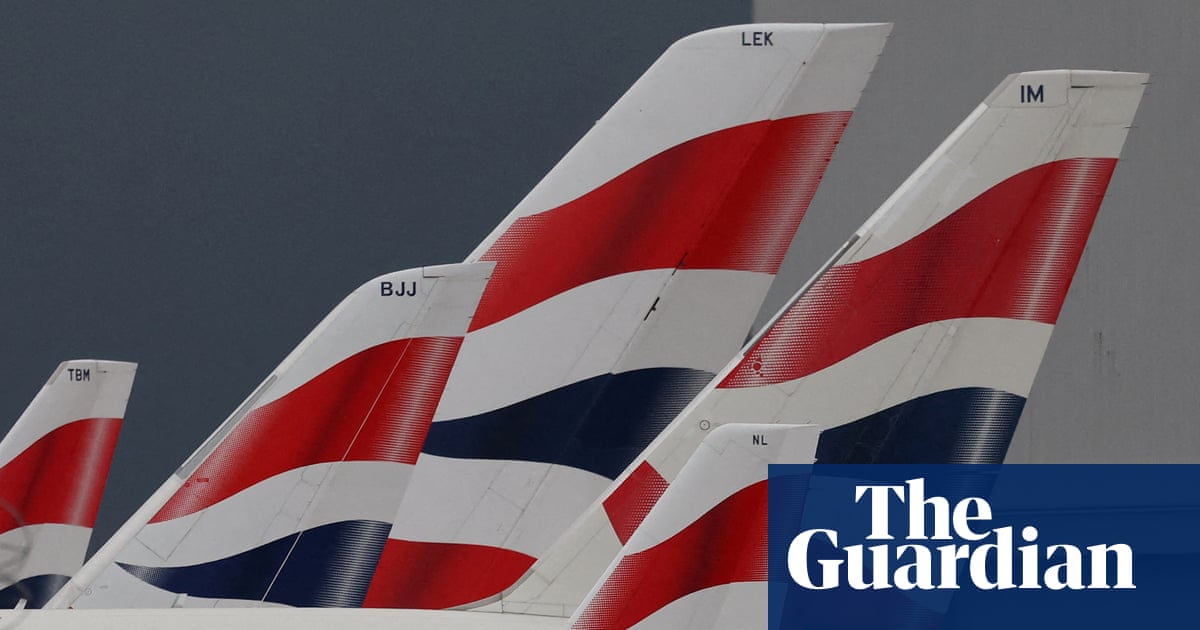
While the situation presents challenges, some European carriers witness potential opportunities. Lufthansa has added 40 flights to Asia to compensate for Gulf route disruptions, and Air France-KLM is boosting capacity to Asia, capitalizing on “very healthy” demand. British Airways announced new direct flights to Melbourne, Australia, extending routes via Kuala Lumpur, and adding services to the Caribbean to avoid congested airspace.
However, the crisis could negatively impact tourism to Europe. Oxford Economics warned that nearly 28 million outbound trips from the Middle East are at risk, with Turkey, France, and the UK being particularly vulnerable. The consultancy suggested that Mediterranean destinations like Spain, Portugal, and Greece could benefit as alternative travel options.
Airlines for Europe (A4E), a trade group representing 16 airline groups, urged European leaders to support the industry by cutting “green taxes,” arguing that they are at a competitive disadvantage compared to non-EU airlines. They warned that a choice between “growing connectivity or a cutback in routes” looms.
A4E also called for a postponement of the EU’s upcoming mandates for sustainable aviation fuel (SAF), specifically the requirement for a 6% blend of SAF by 2030, including 0.7% eSAF. Jarvis argued that eSAF is not yet available in sufficient quantities. However, the EU’s transport commissioner, Apostolos Tzitzikostas, indicated that the call for postponement was unlikely to be met, emphasizing the need for industry investment in sustainable fuels.
Transport & Environment, a campaign group advocating for clean transport, condemned the airlines’ call, accusing them of creating uncertainty that hinders the development of SAF. Camille Mutruelle, the group’s aviation policy officer, stated that treating targets as optional would discourage investment in clean technologies.
Leave a Reply