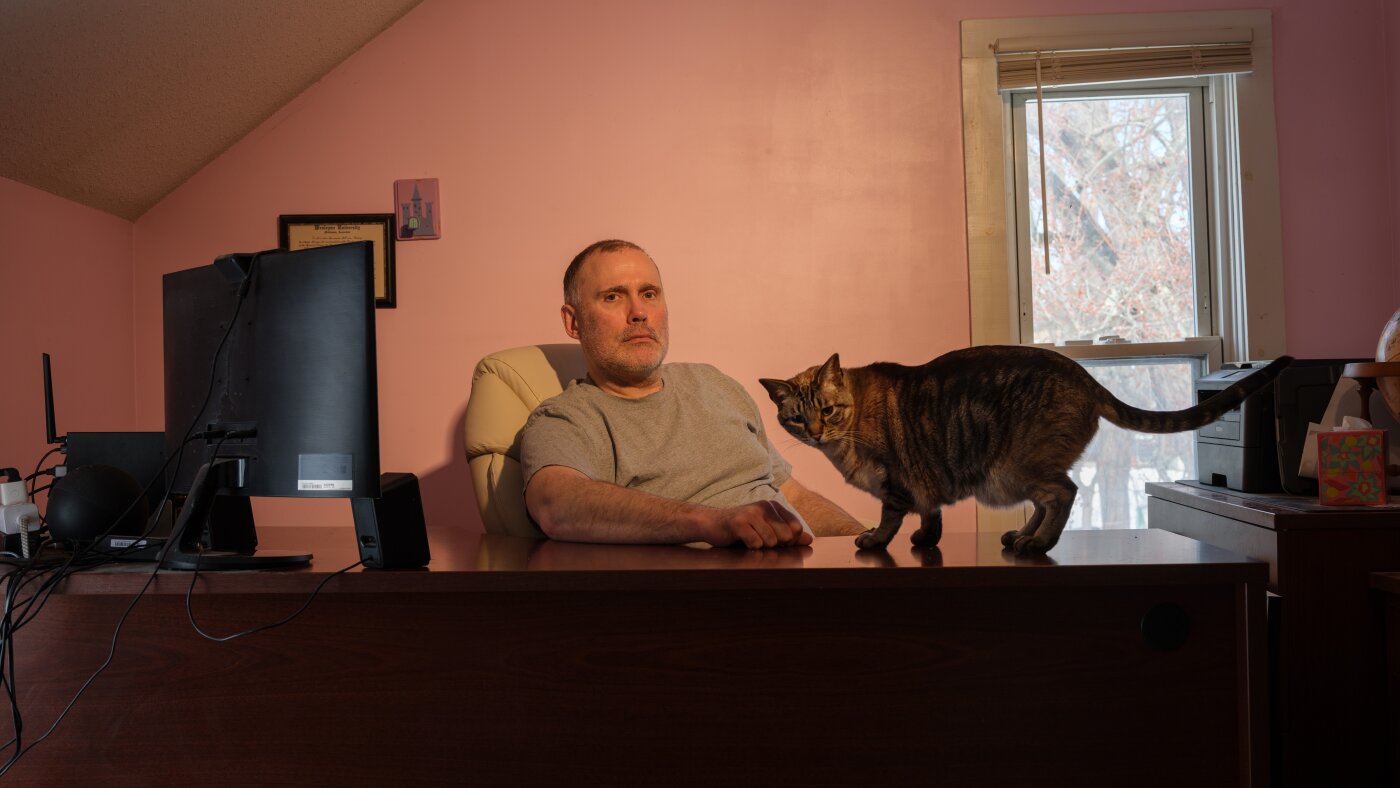
Ken Warner and Parveen Vohra of Manchester, Connecticut, are paying $2,531.07 each month for health insurance, a figure that has more than quadrupled from the $630 they paid in 2025. The spike in premiums follows the expiration of enhanced federal subsidies for Affordable Care Act (ACA) plans, leaving the self-employed couple, and millions of Americans like them, grappling with significantly higher healthcare costs.
Warner, a sci-fi and fantasy author, and Vohra, a mental health counselor, had already faced substantial expenses in 2025, including a new roof, a boiler replacement, and surgeries for both of them – a hip replacement for Warner and eye surgery for Vohra. They covered those costs by depleting one of two small retirement accounts accumulated from previous employment.
The couple had hoped Congress would extend the subsidies, with a bipartisan three-year extension passing the House in January. However, those efforts ultimately failed, leaving the increased premiums in place. “We can’t afford that — who can afford that?” Warner asked, describing the $2,531.07 monthly cost as comparable to an average U.S. Mortgage payment.
The expiration of the enhanced subsidies has had a broad impact on ACA enrollment. KFF, a nonpartisan health policy research organization, reports that premium costs have doubled on average. A recent KFF survey found that while most enrollees have maintained their marketplace coverage, a substantial number have downgraded their plans or gone without insurance altogether.
“When we ask people about the reasons why, what we’re hearing over and over again is cost,” said Ashley Kirzinger, KFF’s director of survey methodology. The survey revealed that more than half of enrollees are cutting back on household spending, including groceries, while others are taking on extra work or accumulating debt to cover healthcare expenses. Nearly one in five respondents expressed uncertainty about being able to afford their premiums for the entire year.
Federal data indicates that ACA enrollment for 2026 is down by more than a million compared to the previous year, as of mid-January.
Warner and Vohra have responded to the increased costs by making cuts to their budget, including changing cell phone plans, canceling streaming services, and eliminating house-cleaning assistance. “We’re not doing any vacations, which [are] a good mental health practice,” Vohra said. Warner is crowdfunding for a special edition of his novel, The Secret of Gizais, and has been unsuccessfully applying for jobs with health benefits.
The couple’s financial situation is complicated by the potential need for further surgeries – Warner’s other hip and Vohra’s other eye. This prospect has them considering tapping into their remaining retirement account. “Now we’re looking at, ‘Oh, maybe we have to tap [that],’” Vohra said. “And this is supposed to be meant for our 60s and 70s and 80s.”
Vohra also expressed concern about the long-term care costs for her 87-year-old mother, which currently amount to $10,000 per month. She questioned how they would afford similar expenses in their own old age, particularly if premiums continue to rise. “We know next year there’s going to be probably another 10%, 20% increase,” Warner added. “It’s going to get worse — it’s not like this was a one-time shot.”
“It really just has been an infuriating process to watch this all just proceed backwards,” Warner said. “I mean, it feels criminal. It feels like we’re actually being robbed — they’re literally just taking money away from people like us.”
Leave a Reply