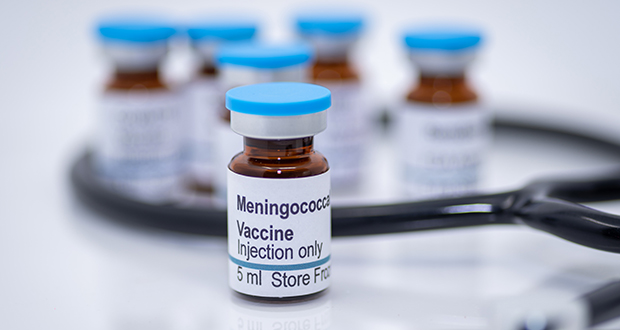
Ireland’s Health Service Executive (HSE) has moved to reassure the public that an outbreak of meningitis B in Kent, England, has not led to an increase in cases within the country. Health officials in the UK have confirmed 15 laboratory-confirmed cases of meningitis B following the outbreak, with a further 12 suspected cases currently under investigation, and have reported two fatalities.
As of Friday, March 20, 2026, nine cases of meningitis B have been confirmed in Ireland this year, according to the HSE. Officials emphasize that none of these cases have been linked to the outbreak centered in Kent.
“There is no evidence of an increase in invasive meningococcal disease activity in Ireland beyond expected seasonal and background levels,” stated Dr. John Cuddihy, HSE National Director for Public Health. “There is similarly currently no indication of links between any cases in Ireland and the outbreak reported in Kent.”
Dr. Cuddihy confirmed that, to date in 2026, 12 cases of meningococcal disease have been reported in Ireland, with no deaths. Of those 12 cases, nine were identified as Serogroup B. The HSE reported 60 meningococcal cases in 2025, including 38 Serogroup B cases, and 66 cases in 2024, with 42 classified as Serogroup B.
Meningococcal disease encompasses several different serotypes, and vaccines are available to protect against types A, B, C, W, and Y. The disease can cause serious illnesses, including meningitis – inflammation of the brain’s lining – and septicaemia, or blood poisoning.
While meningococcal disease can affect individuals of any age, We see most commonly observed in babies, young children, and, to a lesser extent, teenagers and young adults. In Ireland’s climate, cases tend to increase during the winter and early spring months.
The HSE urges the public to be vigilant for symptoms, which include fever, severe headache, vomiting, rapid breathing, cold hands and feet, drowsiness, and a rash that does not fade under pressure. Given the potential for rapid deterioration, individuals experiencing these symptoms are advised to seek immediate medical attention by calling 112 or 999 for an ambulance, or by visiting their nearest emergency department.
Dr. Lucy Jessop, Director of the HSE’s National Immunisation Office, highlighted the existing vaccination programs in place. “The MenB vaccine has been part of the free national childhood immunisation schedule for babies born from 1 October 2016 onwards,” she said. “It is given over three doses at two, four and 12 months. Meningococcal type B disease is most common in babies under the age of one year old and the scheduling of the administration of the vaccine under the immunisation programme takes account of this.”
Dr. Jessop also noted that there is currently no catch-up Men B vaccine program for older children. The MenACWY vaccine, which protects against other meningococcal strains (A, C, W and Y), is offered in the first year of secondary school, and HSE school immunisation teams are currently administering this vaccine nationwide. Parents are encouraged to return consent forms sent home with their children to ensure they receive the vaccine.
The HSE continues to maintain regular contact with the UK Health Security Agency (UKHSA) regarding the evolving situation in Kent, with the UKHSA reporting that further cases remain possible.
Leave a Reply