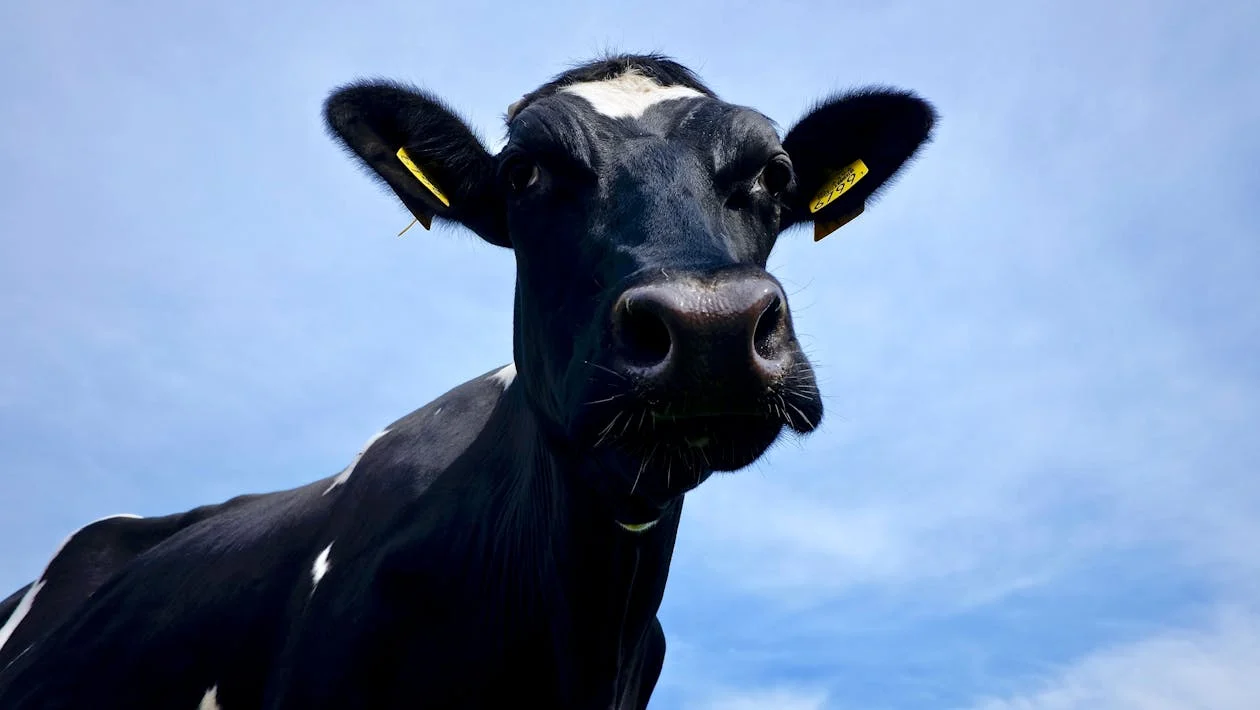
New movement restrictions have been implemented in Northern Ireland for herds experiencing outbreaks of bovine viral diarrhoea (BVD), as well as for individual female cattle over 12 months of age within those affected herds, according to recent guidance from Animal Health and Welfare Northern Ireland (AHWNI).
The restrictions aim to limit the spread of the virus, which can cause a range of health problems in cattle, including enteric and respiratory disease, reproductive issues, and immune suppression, as detailed by the World Organisation for Animal Health (WOAH). Whereas BVDV is not considered a human health hazard, it can be a serious and costly disease for cattle farmers, according to Cornell University’s Animal Health Diagnostic Center.
AHWNI has outlined specific conditions for lifting both herd-level and individual animal restrictions. For herd-level derestrictions, two criteria must be met. First, all BVD positive (BVDP) animals must be removed from the herd – either through culling or re-testing with a negative result – with 21 days passing since the last BVDP animal’s removal. Similarly, BVD inconclusive (BVDIs) animals must be either culled or re-tested negative. Second, all remaining animals in the herd, excluding those under 31 days old who haven’t been tested, must have a negative BVD status.
Individual female restrictions will be lifted based on the animal’s stage of pregnancy. AHWNI advises assessing how far along in gestation restricted cows or heifers are to determine the quickest path to derestriction after calving. Alternatively, veterinary blood testing for antibody levels can expedite the process. Successful antibody testing, along with the necessary documentation, will prompt AHWNI to recommend derestriction to the Department of Agriculture, Environment and Rural Affairs (DAERA).
AHWNI reports that retention rates of BVD positives have been low in the past year, suggesting a potential decrease in circulating virus. However, the organization emphasizes the high risk of spread within any herd with a positive result, justifying the new restrictions. The emergence of new outbreaks is frequently linked to the introduction of new stock, AHWNI stated.
Preventative measures highlighted by AHWNI include thorough cleaning and disinfection of pens, equipment, and areas used by BVD-positive calves to minimize virus spread. Responsible sourcing of calves, good biosecurity practices, appropriate vaccination strategies, and strict visitor hygiene protocols are also recommended for herds free from BVD infection. BVDV can persist in the environment for short periods and be transmitted through contaminated reproductive materials, according to WOAH.
The MSD Veterinary Manual notes that mucosal disease, a typically fatal clinical presentation of BVD, only affects persistently infected cattle. The virus affects various organ systems, not just the gastrointestinal tract, and leads to immunosuppression.
Leave a Reply