
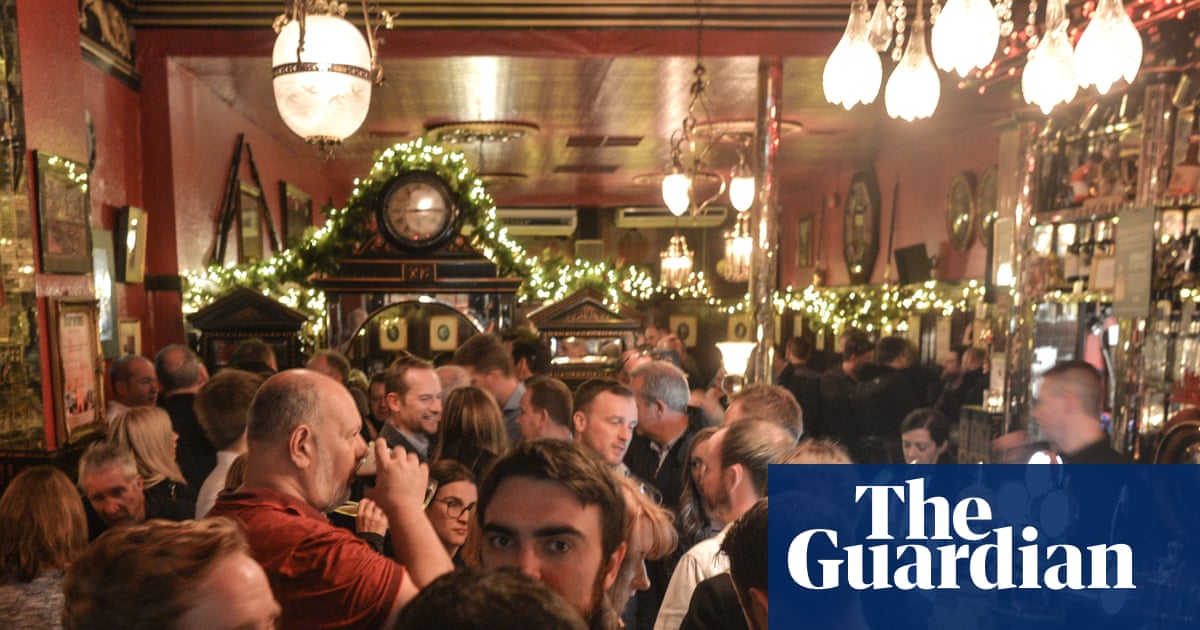
Dublin – A new volume of essays warns that the very soul of Ireland‘s pubs – the “craic” – is threatened as pub numbers decline, prompting scholars to question whether a community can truly exist without these traditional social hubs.
The collection, The Irish Pub: Tradition and Transition, co-edited by University of Hong Kong English professor moonyoung Hong and a leading social historian, examines the pub’s evolving role from the era of Jonathan Swift to the present day, including the rise of gay pubs in the 20th century and the global spread of Irish-themed establishments. But beneath the past analysis lies a growing concern: the commodification of the pub experience, driven by social media aesthetics and a focus on ranking “the best” rather than valuing the pub as a vital community space.
Social historian Fallon argues that the essence of a pub isn’t about being the best, but about being present within a community. “If you’ve had the worst day in your life the nearest pub is probably the best pub,” she stated, highlighting the pub’s role as a readily available support system. This sentiment underscores the book’s central question: can a sense of community thrive without the informal, accessible social environment pubs traditionally provide?
The book details colorful stories, including American photographer Lee Miller’s 1940s Vogue assignment at Dublin’s Palace bar, alongside explorations of everyday suburban pubs. It also revisits the basic meaning of “pub,” rooted in the term ”public house,” emphasizing its inherent inclusivity and shared nature.
Kevin Martin, author of Have Ye No Homes to Go To?, identifies ten elements of an ideal pub, including “a great pint of Guinness at a decent price” and “convivial company when required, and peace when not.” However, the book cautions against the superficiality of social media-driven pub searches, which prioritize aesthetics over genuine community connection. The future of the Irish pub, and the “craic” it fosters, remains a critical question for Ireland’s social fabric.
