
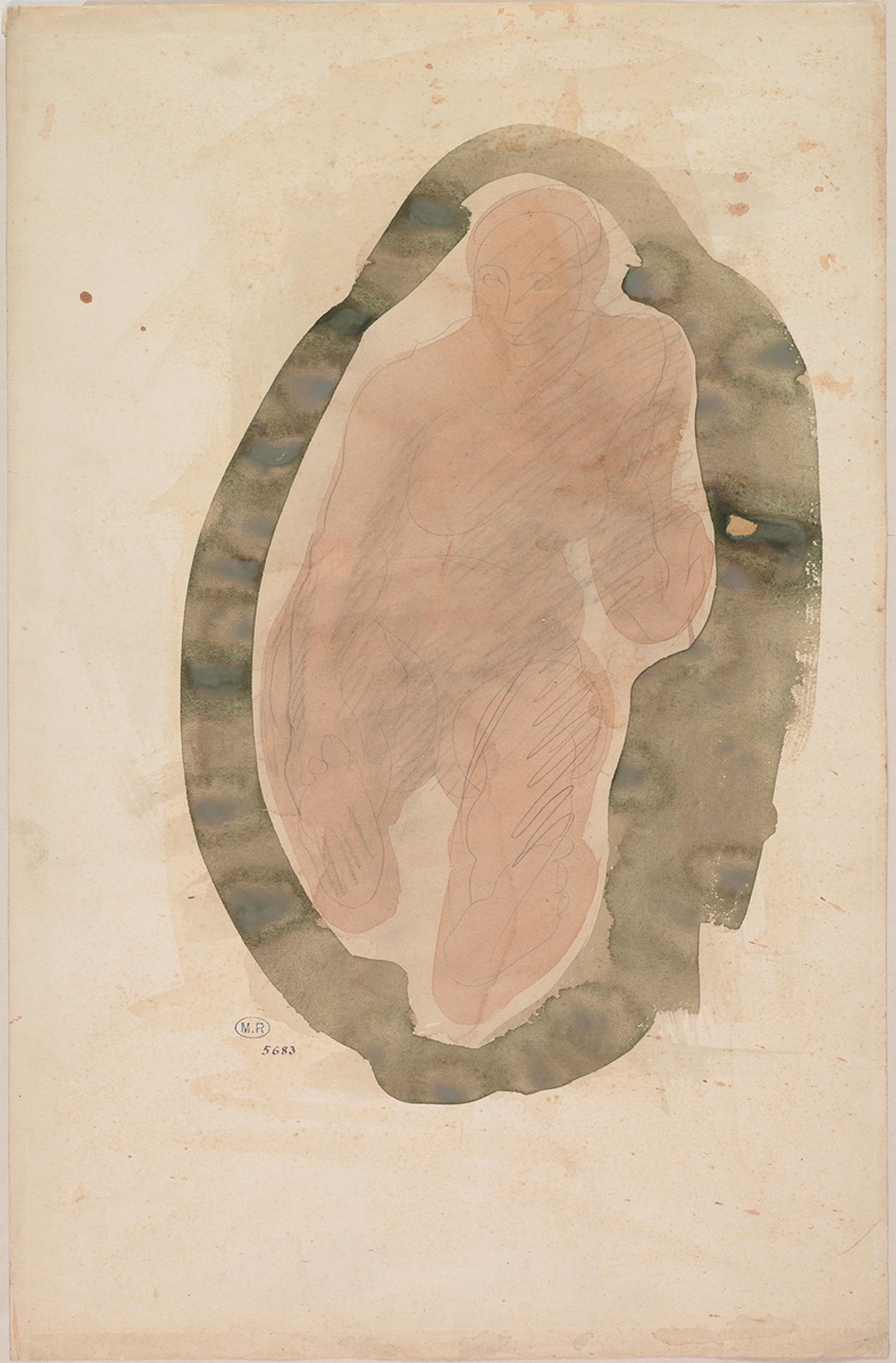
Beyond the Brain: The Body’s Role in Cognition and Life‘s Collective Nature
Conventional understandings of immunology have been challenged by recent research demonstrating the placenta and fetus are not simply passive recipients of the maternal immune system, but constitute an active immunological organ. Researchers Gil Mor and Ingrid Cardenas have shown the placenta influences the mother’s global immune response to microbial infections, potentially determining pregnancy outcomes. This organ actively regulates trafficking between mother and fetus,exhibiting its own immune system that directly impacts the mother’s response to the surroundings,creating a protective environment for both while remaining capable of defending against infection.
This highlights a broader point: life is fundamentally a collective process. The focus on isolated brains and complex cognitive tasks like chess often overshadows the necessity of embodied existence for survival. The argument presented suggests that neurons alone are insufficient for development, action, and survival in a natural environment. Cognition, at its core, is about successfully navigating the complexities of life, not merely excelling in abstract problem-solving.
This perspective questions the modern emphasis on purely mental models of cognition, suggesting they may be a way to distance ourselves from the “impure” and constantly changing reality of our bodies.Instead, the idea is proposed that cognition isn’t solely a product of the brain, but emerges from the participation of all bodily cells in the creation of experience and cognitive processes.
This raises the question of what it means to say cognition extends beyond the brain. While losing a body part doesn’t necessarily eliminate thought, it prompts consideration of the body’s capabilities prior to brain development. How did organisms survive and process information for survival before the evolution of neurons? What mechanisms facilitated the conditions necessary for brains to develop in the first place?
The author draws a parallel to Rodin’s “the Thinker,” originally intended to depict Dante Alighieri, author of the Divine Comedy, contemplating the liminal space between worlds. This suggests meaning isn’t confined to the individual mind, but resides in the “in-between” – the relationship between ourselves, the world, and others. This crucial “in-between” begins even before birth, with the placenta serving as a vital, complex connection bringing life into being through another’s body.
