
Solar Storms Linked to Increased Heart Attack Risk, Study Suggests
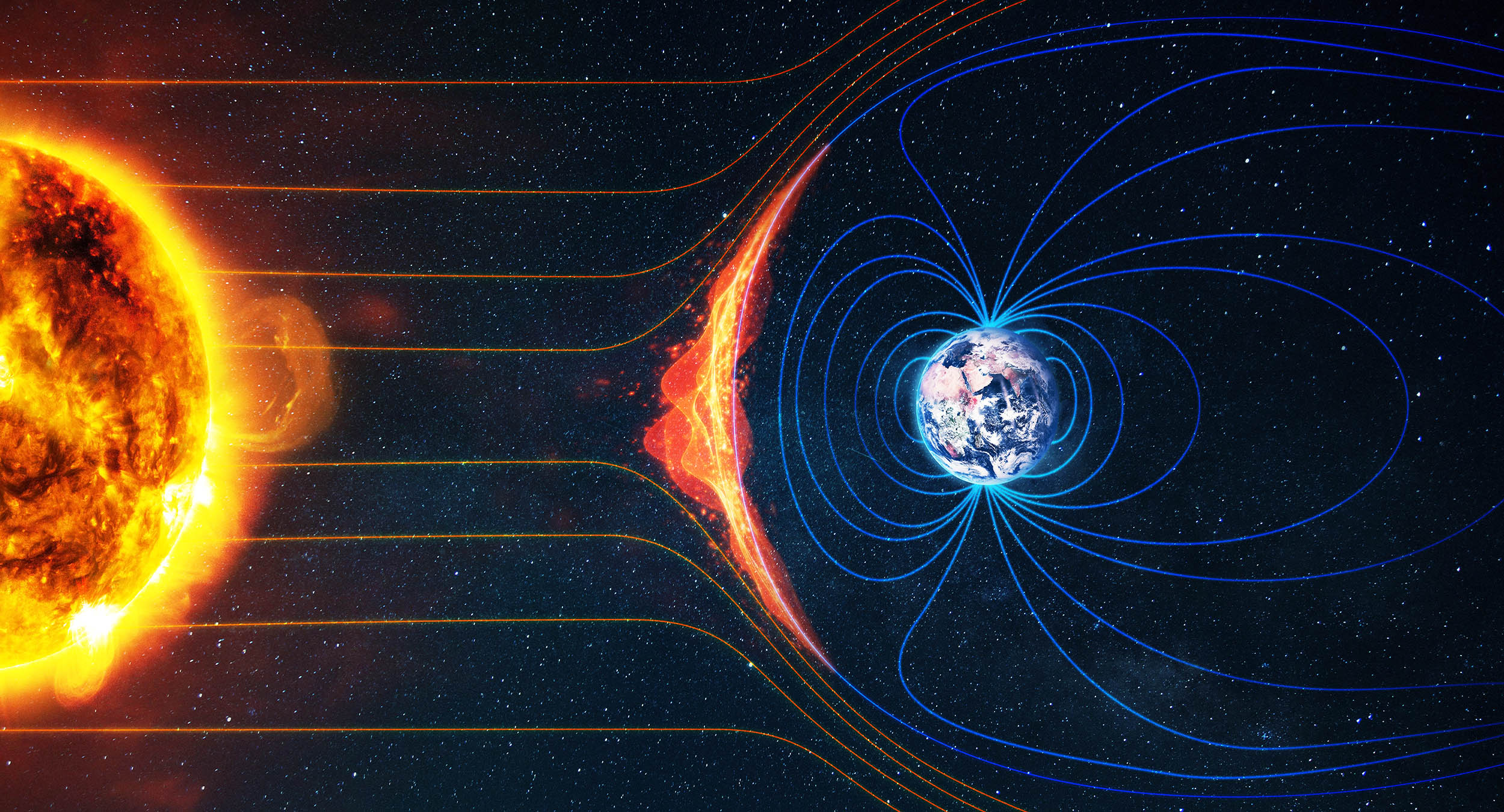
A new study published in Nature Communications Medicine indicates a potential correlation between solar storms and an increased risk of heart attacks. Researchers found a statistically significant association between periods of heightened geomagnetic activity – disturbances in Earth’s magnetic field caused by solar storms – and a rise in hospital admissions for heart attacks.
The research analyzed data from a large cohort of patients in japan over a 14-year period (2000-2014), totaling over 2.5 million records. It revealed a roughly 28% increase in heart attack admissions during the first few days following significant geomagnetic disturbances.
While the study establishes a timing link, it does not prove a causal relationship. Scientists hypothesize that external electromagnetic variations from solar storms could subtly influence individuals already vulnerable due to pre-existing heart conditions or unstable cardiovascular systems. “If someone has vulnerable arteries or a rhythm on edge, even a subtle push might affect when an event occurs,” the article explains.
Researchers emphasize the need for further examination to understand the underlying mechanisms.Future studies will focus on analyzing larger datasets from diverse geographic locations and magnetic environments. Thay also plan to incorporate more detailed patient information, including medications, underlying health conditions, and daily lifestyle factors, to identify individuals most susceptible to these potential effects.
“Scientists around the world have been trying to predict the occurrence of geomagnetic disturbances,but the accuracy,for now,isn’t good,” stated researcher Rezende. However, he added that if a reliable link between solar storms and heart attacks is confirmed, “we’ll be able to consider prevention strategies from a public health perspective, especially for individuals who already suffer from heart problems.”
Currently, public health officials issue alerts for environmental factors like heat and pollution. If future research solidifies the connection, hospitals could potentially prepare for a slight increase in cardiology cases during periods of strong geomagnetic activity. Individuals with known heart disease could be advised to adhere to standard preventative measures – taking prescribed medications, monitoring for symptoms, and avoiding strenuous activity – particularly when solar storm alerts are issued by the Space Weather Prediction Center (SWPC).
The study authors conclude that the findings warrant continued research, stating there is “something” present that justifies further investigation.They recommend monitoring SWPC alerts as a precautionary measure.
