
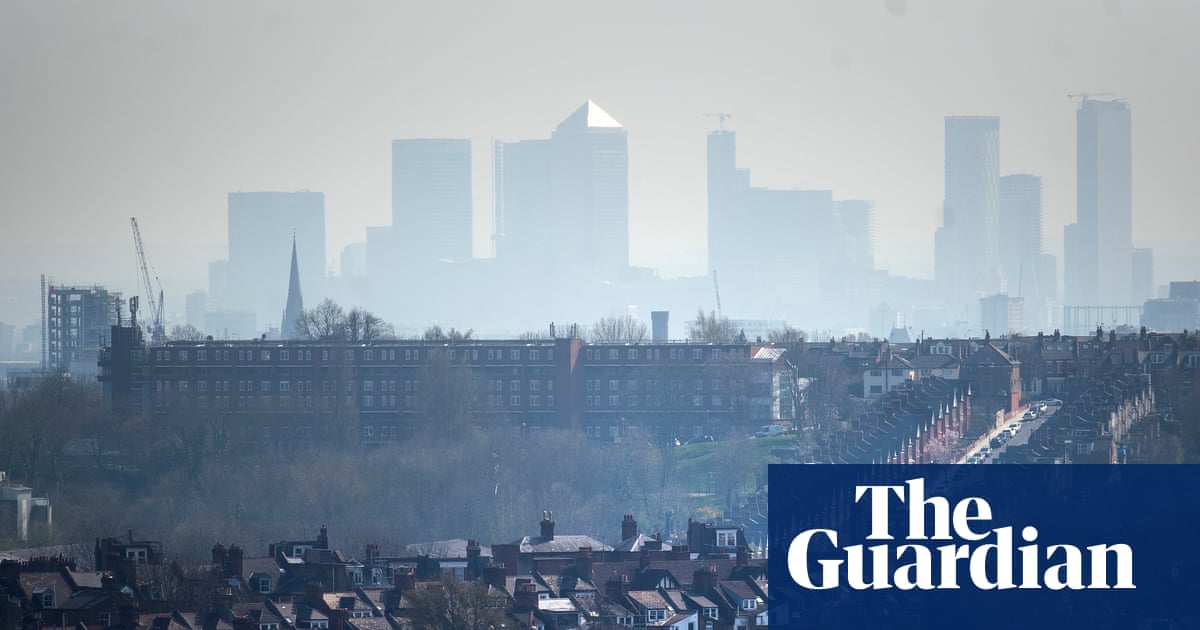
Air Pollution Linked to Increased Heart Failure and Stroke Risk in UK Study
A new study reveals a important link between exposure to PM2.5 air pollution and an increased risk of cardiovascular disease in the UK. PM2.5, microscopic particles released from sources like vehicles, industry, and home heating – 30 times smaller then a human hair - can enter the bloodstream when inhaled.
The research found that individuals living in the most polluted 10% of areas faced a 27% higher risk of developing heart failure compared to those in the least polluted 10%. Stroke risk was also elevated, increasing by 7% for those breathing the dirtiest air. Further analysis showed that for each additional microgram of PM2.5 in a person’s residential area, the risk of heart failure rose by 7%, and stroke risk increased by 3%. while a slight increase in heart attack risk was observed, it wasn’t statistically significant.
The study attributes these risks to the body’s inflammatory response to PM2.5. As the pollutant doesn’t belong within the body, the immune system overreacts, causing inflammation in blood vessels. This inflammation leads to stiffening and fatty build-up, possibly causing high blood pressure and forcing the heart to work harder, ultimately increasing the risk of heart failure.
Importantly, the increased risks were observed after researchers accounted for factors like age, sex, ethnicity, urban/rural residence, socioeconomic deprivation, education level, smoking status, and alcohol consumption. The findings translate to an estimated one extra stroke case per 100 people in the most polluted areas, and two additional heart failure cases per 100 people, compared to areas with the cleanest air.While the UK has seen a 30% reduction in PM2.5 levels since 2015, levels still frequently exceed World Health Association (WHO) guidelines – averaging 22 days a year where targets are breached.
Dr. sonya Babu-Narayan, clinical director at the British Heart Foundation, emphasized, “We know there are no safe levels of air pollution. These early findings linking high PM2.5 levels to heart failure add to a growing body of evidence that poor air quality is damaging to our hearts.” She also noted the positive impact of government targets introduced in 2021, but stressed that current levels “still exceed World Health Organization guidelines,” and that further reductions could “prevent premature cardiovascular disease, and save and improve lives for current and future generations.”
The study analyzed data without identifying specific locations, meaning it does not pinpoint which areas of the UK pose the greatest risk to residents.
