Jerusalem’s Old City was struck by an Iranian missile on Saturday, landing hundreds of feet from the Al-Aqsa Mosque and Western Wall, as the conflict between Israel and Iran entered its fourth week and the price of Brent crude oil peaked at $111 a barrel.
The attack on the religiously significant sites, alongside strikes in the city of Rehovot that killed 15 people, came as Iran’s Revolutionary Guard announced it would continue missile production despite mounting losses, including the death of Intelligence Minister Esmail Khatib on Wednesday. Iran also struck Kuwait’s Al-Ahmadi and Mina Abdullah oil refineries, forcing their shutdown.
U.S. President Donald Trump has stated he is not interested in a ceasefire, asserting that Iran is “finished” from a military standpoint. Still, late Friday, Trump indicated he was considering “winding down” military operations, writing on TRUTH Social that the U.S. Was “getting highly close to meeting our objectives” in the region.
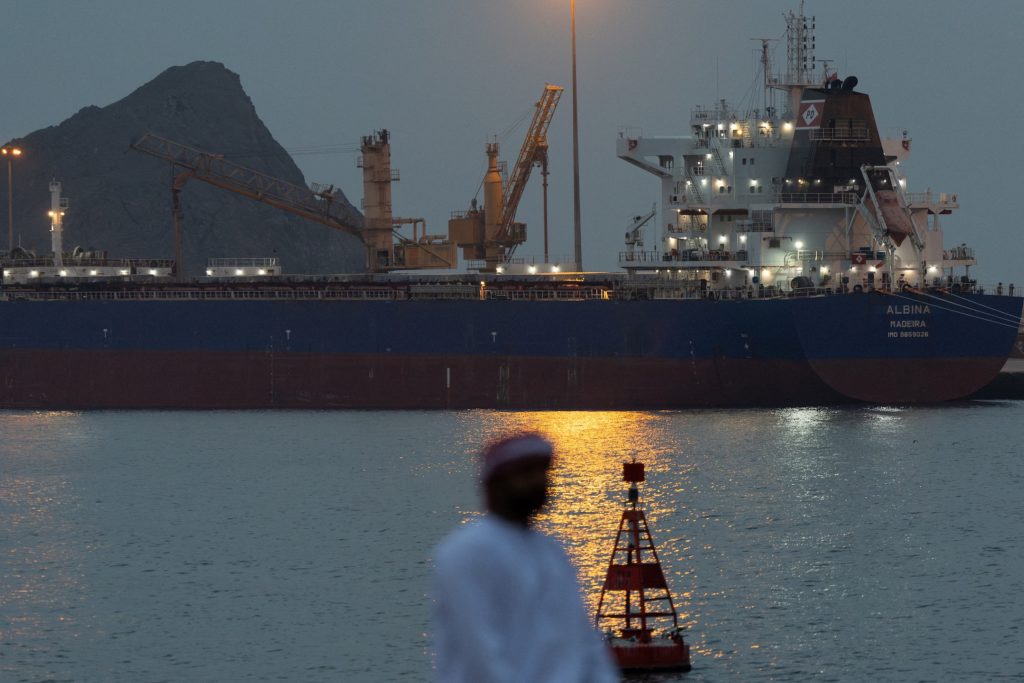
The U.S. And Israel have continued attacks on Iranian targets, while Iran has retaliated with missile and drone strikes against Israel and energy infrastructure across the Persian Gulf. The U.S. Is specifically targeting Iran’s navy and drone capabilities in an effort to open the Strait of Hormuz, a critical waterway for global oil supplies. Trump has publicly criticized NATO allies for not assisting in this effort, calling them “cowards” and stating he “will remember” their inaction. Axios reported that Trump and Israeli Prime Minister Benjamin Netanyahu have spoken almost daily since the war began, but U.S. Officials anticipate diverging endgames and risk tolerances as the conflict continues.
Seven NATO countries – Britain, France, Germany, Italy, the Netherlands, Japan, and Canada – issued a joint statement expressing readiness to “contribute to appropriate efforts to ensure safe passage through the strait,” but French President Emmanuel Macron expressed skepticism about direct military involvement. “I have not heard anyone here express a willingness to enter this conflict,” Macron said following a meeting of European nations in Brussels. Reuters reported Macron’s comments, highlighting European concerns about the economic fallout of the war.
The U.S. Was informed about Israel’s strike on Iran’s South Pars natural gas field but did not participate, according to an anonymous source cited by the Associated Press. Trump subsequently told Israel not to repeat such attacks on Iranian energy infrastructure.
While Trump’s base remains largely supportive of the military intervention – a recent Politico poll found 70% support among his 2024 voters, including 53% of self-identified MAGA voters – overall American support for the war is divided.
The conflict’s human cost is increasingly visible. Hundreds of thousands of Lebanese citizens have been displaced by Israeli attacks and are now facing hardship as they observe Eid, a time traditionally marked by celebration. Samah Hjola, a displaced mother of two living in a minibus in Beirut, described the current situation as “difficult…everything is difficult.”
Leave a Reply