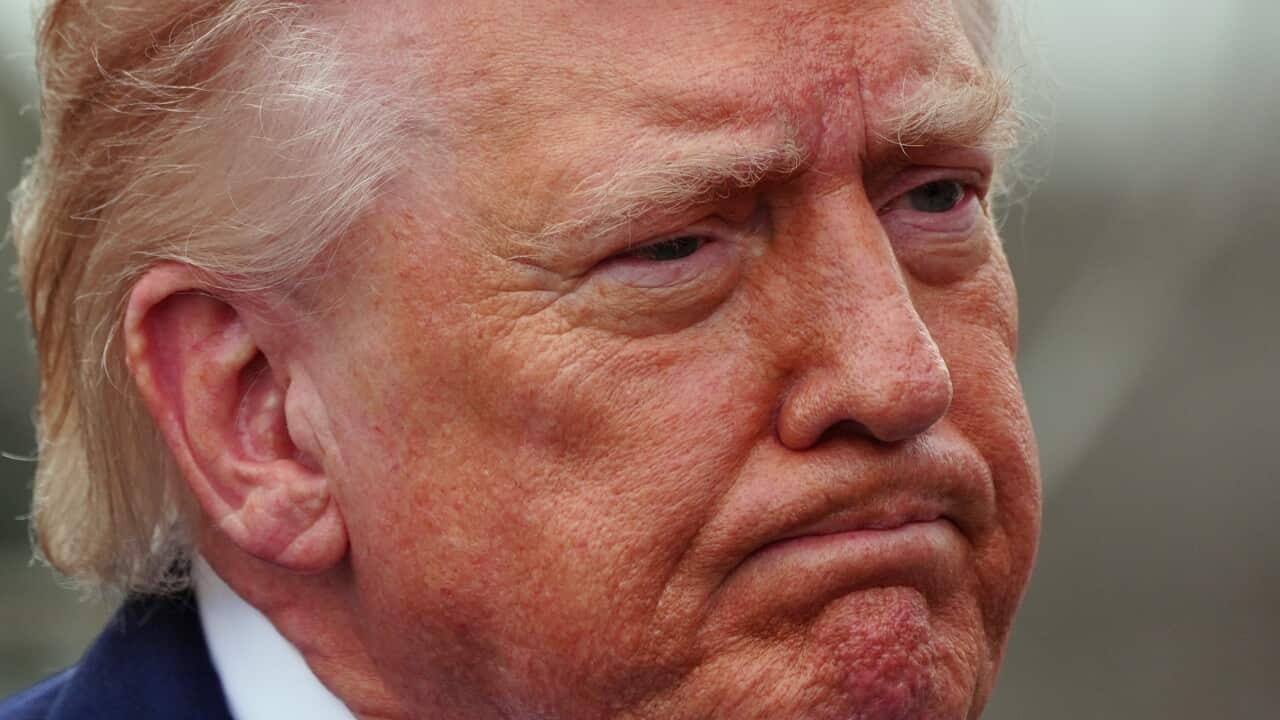
Fresh blasts rocked Tehran on Friday as U.S. President Donald Trump signaled a potential shift in strategy regarding military operations against Iran, stating the U.S. Was “getting very close to meeting our objectives” and considering “winding down” its efforts. The statement came amid escalating regional tensions, including Iranian attacks on energy infrastructure in Gulf states and accusations of strikes on holy sites in Jerusalem.
Trump’s comments, delivered via a post on his Truth Social platform and subsequently to reporters at the White House, represent the strongest indication yet that the U.S. May be preparing to de-escalate the conflict that began on February 28 with joint U.S.-Israeli strikes against Iranian targets. Yet, Trump explicitly stated he was not seeking a ceasefire, asserting, “I don’t want to do a ceasefire. You know you don’t do a ceasefire when you’re literally obliterating the other side.”
The shifting rhetoric follows a period of direct confrontation. According to the Associated Press, a recent point of contention emerged between Trump and Israeli Prime Minister Benjamin Netanyahu over Israel’s strike on Iran’s South Pars gas field. Trump publicly told Israel not to repeat such attacks, even as reserving the right for the U.S. To retaliate if attacks on Qatar continued.
Iran’s new Supreme Leader, Mojtaba Khamenei, marked the Persian New Year with a defiant message, claiming his country had delivered a “dizzying blow” to its enemies. The statement, released as Iranians observed a subdued Nowruz, came as explosions were reported in eastern and northern Tehran. Khamenei asserted that Iranian unity had led to the defeat of the enemy, despite “contradictory words and nonsense” emanating from opposing forces.
The conflict has extended beyond direct military engagements to impact global energy markets. Drone attacks on Friday targeted Kuwait’s Mina Al-Ahmadi refinery, causing a fire that was later contained, following a direct hit on Qatar’s Ras Laffan natural gas facility the previous day. Qatar’s state energy company estimates the damage to Ras Laffan could result in $20 billion in annual lost revenue and require five years to repair, potentially driving up energy prices worldwide and exacerbating inflationary pressures.
Wall Street reacted negatively to the escalating tensions, with all three major indices closing sharply lower on Friday. The S&P 500 fell 1.5 percent, while the price of Brent crude oil rose 3.3 percent to $112.19 per barrel.
Regional diplomatic fallout continued as Türkiye condemned Israel’s strikes on Syrian army camps, labeling them a “dangerous escalation” and calling for international intervention. Syria has, thus far, remained largely uninvolved in the wider conflict. Lebanon, however, has been directly impacted by Israeli airstrikes targeting Hezbollah, resulting in over 1,000 deaths, according to the Lebanese health ministry.
Trump also addressed the security of the Strait of Hormuz, a critical shipping lane through which a fifth of the world’s crude oil and liquefied natural gas passes. He stated that other nations would be responsible for securing the strait, offering U.S. Assistance only if requested, but asserting it “shouldn’t be necessary once Iran’s threat is eradicated.”
While Trump indicated a willingness to engage in talks with Iran, he claimed there was “nobody to talk to” following the deaths of key Iranian officials. The U.S. Military reportedly struck targets on Iran’s Kharg Island, which Trump claimed had “totally obliterated” military installations, though oil infrastructure was reportedly spared. Reuters reported that the U.S. Is considering further military deployments, with 2,200-2,500 Marines reportedly en route to the region.
In Jerusalem, the Israeli military attributed a blast near the Al-Aqsa Mosque, Western Wall and Church of the Holy Sepulchre to “Iranian missile fragments,” though it remains unclear whether the missile was intercepted or its intended target. The incident adds another layer of complexity to the already volatile situation, as the U.S. Continues to assess its next steps and Iran maintains a defiant stance.
Leave a Reply