The Indian National Congress announced a second list of 37 candidates for the upcoming Kerala state assembly elections on Thursday, bringing the total number of declared candidates to 92. The release followed a late-night meeting at the residence of Congress President Mallikarjun Kharge, which stretched from 10:30 pm to 2:30 am Wednesday, triggered by internal disagreements over ticket distribution, according to sources within the party.
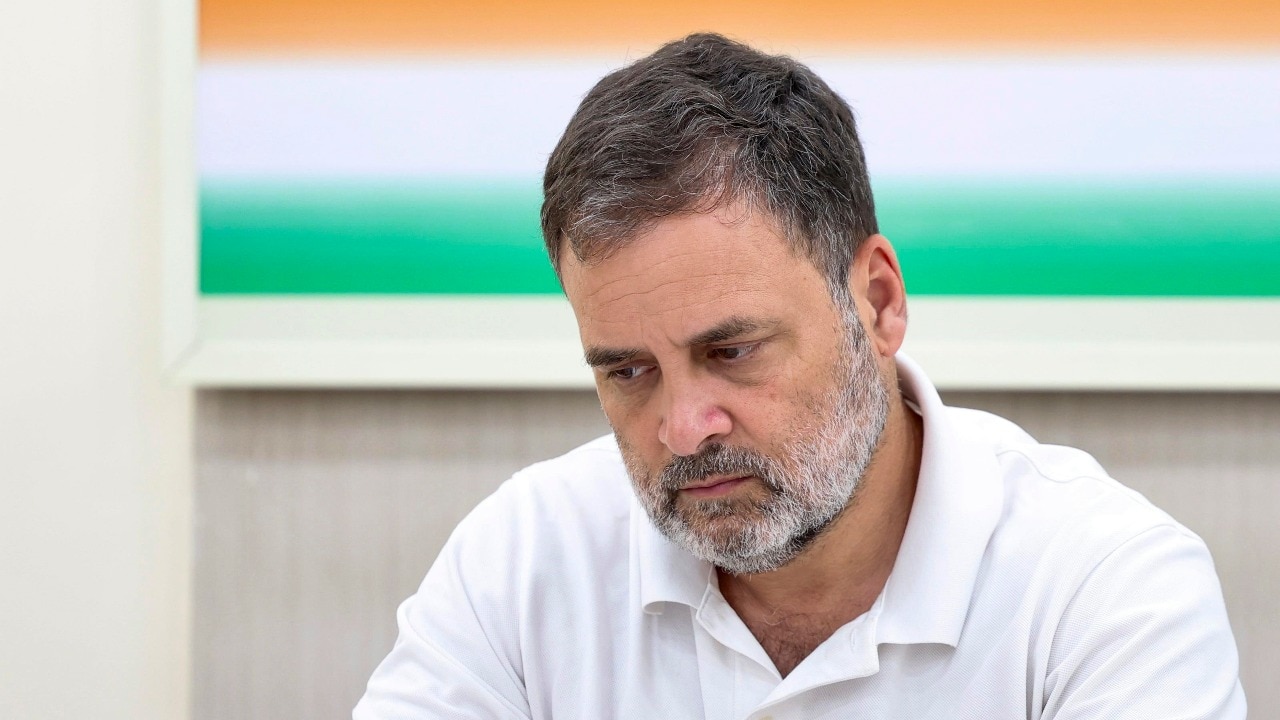
The protracted meeting, attended by senior leaders including Rahul Gandhi and other members of the Central Election Committee (CEC), centered on concerns raised by Gandhi regarding the initial candidate selection process. Gandhi reportedly advocated for a more systematic approach, emphasizing the need to consider caste demographics, past electoral performance, and feedback from grassroots party workers, rather than relying solely on recommendations from the Kerala Pradesh Congress Committee (KPCC).
A key decision emerging from the meeting was the exclusion of sitting Members of Parliament (MPs) from contesting assembly seats. Sources indicated that Gandhi argued allowing MPs to run risked triggering multiple Lok Sabha by-elections and creating confusion regarding potential chief ministerial candidates should the Congress win the state election. At least five MPs – including former KPCC chief K. Sudhakaran, Adoor Prakash, and Shafi Parambil – had expressed interest in shifting to state politics, but their requests were denied. According to sources, the party is open to considering MLAs for Lok Sabha seats in the future, but the reverse was deemed problematic at this time.
The influence of Congress General Secretary (Organisation) K.C. Venugopal appears to be substantial in the candidate selection process. Sources within the Kerala election machinery estimate that approximately 60 percent of the announced candidates are aligned with Venugopal. In the first list of 55 candidates, around 17 were linked to his camp, compared to nine associated with Ramesh Chennithala and five with V.D. Satheeshan. Several MPs similarly reportedly secured nominations for close associates.
Notably, senior Congress leader Shashi Tharoor did not actively intervene in the ticket allocation process and did not lobby for candidates aligned with him, according to party insiders. The final decisions were reportedly based on survey data, feedback from District Congress Committees, and assessments of each candidate’s potential for victory.
The Congress intends to contest approximately 95 of Kerala’s 140 assembly seats, in coalition with its alliance partners. Of the 22 currently serving MLAs, 19 have been renominated. The party is also pursuing a deliberate social engineering strategy in its candidate selection. Of the 92 candidates announced so far, 22 are from Christian communities, including 10 from the Syro-Malabar Church. The party has also nominated 21 candidates from the Nair community and 20 from the Ezhava community. Twelve candidates are Muslim, and three are Brahmin.
The party is also attempting to project a younger image, with 52 candidates under the age of 50.
Despite the extensive deliberations, criticism has emerged regarding the limited representation of women candidates. Congress spokesperson Shama Mohamed publicly voiced her concerns on X, urging Rahul Gandhi to address what she described as the party’s “apathy” towards women’s representation. Mohamed, who was reportedly seeking a ticket from Kannur contingent on K. Sudhakaran withdrawing from the race, expressed her dissatisfaction with the final list. Only nine of the 92 announced candidates are women.