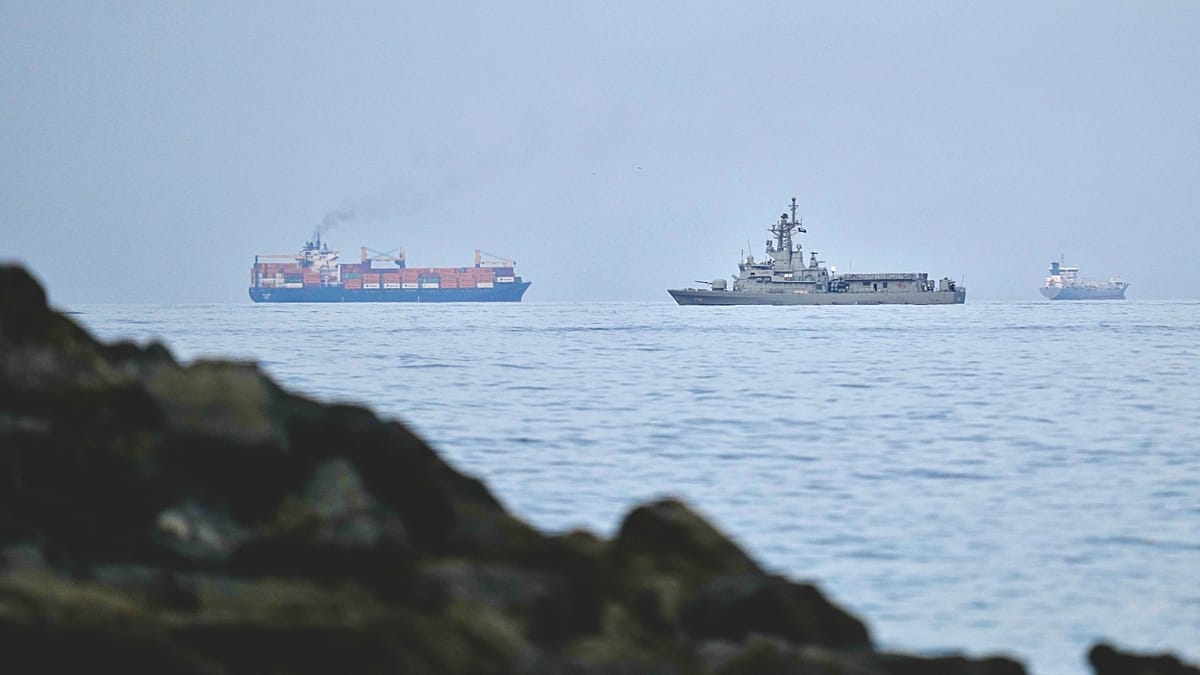
European nations and Japan reaffirmed their commitment to ensuring safe passage through the Strait of Hormuz on Thursday, but stopped short of detailing specific military contributions as the conflict between the United States, Israel and Iran continues to disrupt global shipping. The joint statement, released by Britain, France, Germany, Italy, the Netherlands, and Japan, condemned recent attacks by Iran on commercial vessels and civilian infrastructure in the Gulf, including oil and gas installations. It called on Iran to cease threats, the laying of mines, drone and missile attacks, and attempts to block commercial shipping, urging compliance with UN Security Council Resolution 2817. Even as the statement expressed a “readiness to contribute to appropriate efforts” to secure the vital waterway, it did not outline the nature of those efforts or the extent of resources each nation would commit. This ambiguity follows a recent appeal from former U.S. President Donald Trump for greater financial and military support from allies in safeguarding the strait, a request that reportedly prompted a reaffirmation of alliance from Japanese Prime Minister Sanae Takaichi. Maritime data indicates the Strait of Hormuz has not been fully closed, but traffic has significantly decreased. Approximately 90 ships, including oil tankers, transited the strait during the first two weeks of March, a substantial drop from normal levels, yet demonstrating that limited passage continues. Analysts describe the current situation as a selective operation, where some vessels are permitted through while others face elevated risks. The crisis escalated on February 28th, when the United States and Israel launched strikes against Iranian targets, immediately raising concerns about the security of shipping lanes in the region. Since then, several vessels have been damaged in attacks, prompting shipping companies to delay voyages and reassess safety protocols. A Malta-flagged container ship was struck by a projectile while traversing the strait, forcing its crew to evacuate the vessel. At least 20 vessels have been attacked in the area since the start of the conflict, according to reports. Iran has warned that it may target ships attempting to transit the strait if attacks on its territory persist. Despite the disruptions, some vessels continue to navigate the strait, often under specific conditions. Vessels linked to Iran or countries maintaining ties with Tehran have reportedly been granted passage, while others have relied on diplomatic arrangements to ensure safe transit. Iran has continued to export oil throughout the conflict, with trade data indicating that millions of barrels have been shipped despite the reduced traffic volume. The disruption has had a noticeable impact on global energy markets, driving up oil prices and increasing shipping rates as insurers and operators factor in the heightened risks associated with sailing through the strait. The Strait of Hormuz is a critical chokepoint for global energy supplies, facilitating the transport of roughly a fifth of the world’s oil and significant volumes of liquefied natural gas from the Gulf region. The International Energy Agency authorized a coordinated release of strategic petroleum reserves last week in an attempt to counter rising energy prices, and the joint statement indicated a willingness to explore further steps to stabilize energy markets, including collaboration with oil-producing nations to increase output.
Strait of Hormuz: Nations Offer Support Amid Iran Conflict Shipping Disruption
Leave a Reply