
Newly Discovered Archive Reveals Deep Ties Between Prominent UK Families and Slavery
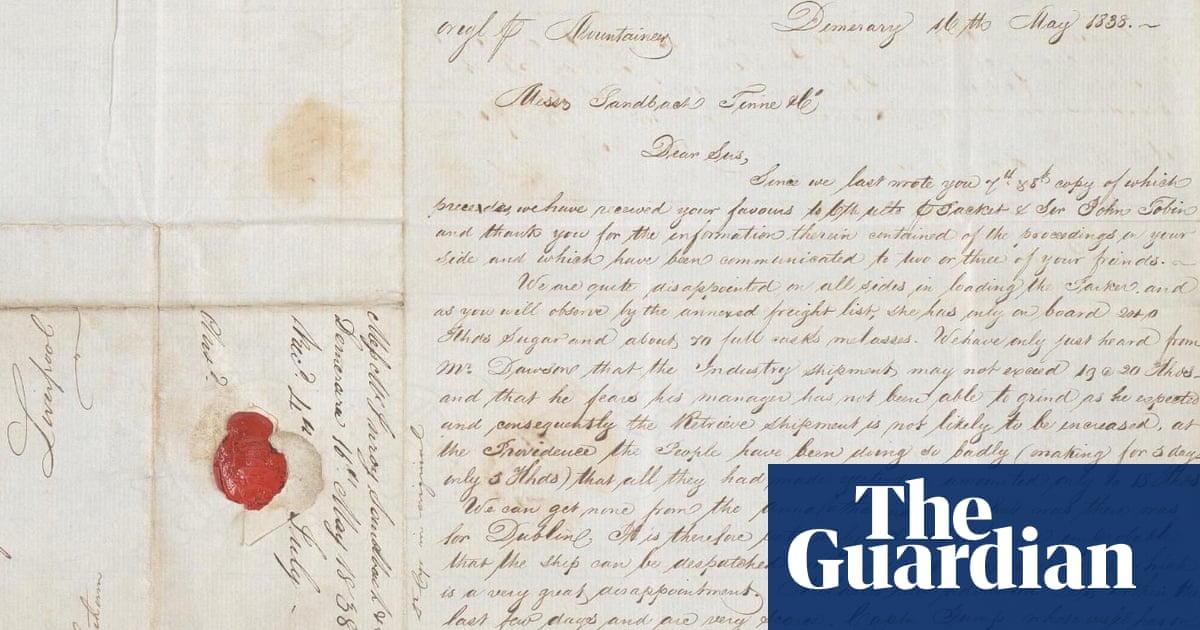
A newly compiled archive, assembled by researcher Malik Al Nasir from documents sourced on eBay and in private collections, sheds light on the critically important financial benefits reaped by British families – including the Gladstones and the Sandbachs – following the abolition of slavery in 1833. The archive details how plantation owners successfully lobbied for compensation to be paid to them rather than to the enslaved peopel they had exploited.
The collection, encompassing birth certificates of Black descendants and financial records, demonstrates the interconnectedness of the plantation economy and the Industrial Revolution, offering a detailed look into the affairs of Britain’s “West India merchants.” Al Nasir’s research also revealed a personal connection: he is a descendant of the Sandbach family.
“The process started as I became incredibly frustrated with how tough it was to know my family history.None of the stuff was indexed and digitised, so I saeid, ‘I’ll buy it’,” Al Nasir explained. He noted the records were previously overlooked, stating, “what the archive does is give us a unique window into their world…this massive story, this epic tale of empire was hiding in plain sight.”
The archive contains new information regarding Jack Gladstone, an enslaved man who initiated the 1823 Demerara rebellion - a revolt notable for its strategy of non-violence. Gladstone was enslaved on a plantation owned by William Ewart Gladstone’s father, John Gladstone, and was “mysteriously spared” the death penalty, prompting questions about a possible family connection.
The research also highlights the impact of Rev. John Smith, a Methodist preacher whose detailed testimony about the brutality of slavery in Demerara galvanized British public opinion in favor of abolition. “It was put in ecclesiastical terms and Christian folk felt ‘this can’t happen, this is grotesque’. Abolition gained incredible momentum,” Al Nasir said.
Al Nasir, whose memoir Searching for My Slave Roots weaves together historical findings with personal biography, is the son of a Guyanese merchant seafarer and a Welsh mother, and grew up in Liverpool. He credits poet and musician Gil scott-Heron as a key mentor.
