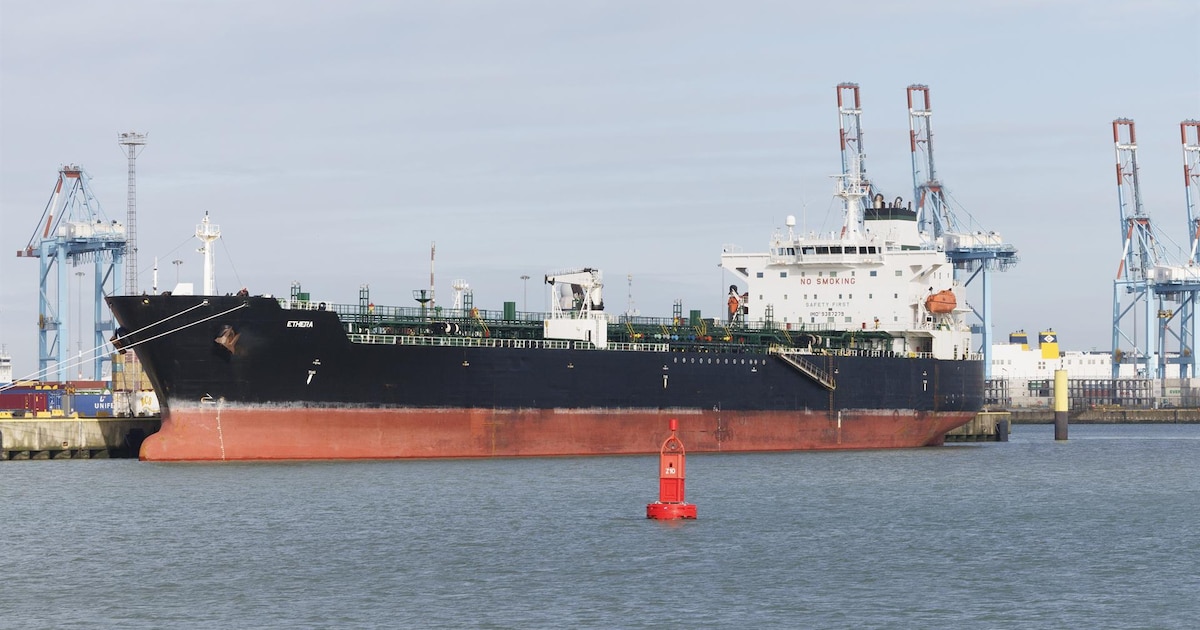
Two Russian oil tankers are en route to Cuba as the island nation faces its most severe energy crisis in decades, according to maritime tracking data and intelligence sources. The shipments come as Cuba struggles with prolonged blackouts, disrupted hospital operations, and a paralyzed economy due to fuel shortages.
The Sea Horse, flagged in Hong Kong, and the Anatoly Kolodkin, a Russian tanker previously sanctioned by the United States, the European Union, and the United Kingdom, represent a potential lifeline for Cuba, which has been largely cut off from traditional fuel suppliers. The arrival of these cargoes, despite diplomatic pressure and U.S. Sanctions, is being closely monitored.
MarineTraffic data shows the Sea Horse initially declared a destination of Boston, but altered its course multiple times, including periods where it switched off its Automatic Identification System (AIS) – a tactic often used to evade tracking. Intelligence firm Windward reported the vessel received approximately 190,000 barrels of Russian diesel near Cyprus in February. The Sea Horse also lacks insurance from Western companies, a characteristic often associated with attempts to circumvent international sanctions, according to Windward.
The Anatoly Kolodkin departed from the Russian port of Primorsk in early March carrying approximately 100,000 metric tons of Urals crude oil – equivalent to over 725,000 barrels – destined for the Matanzas terminal on Cuba’s north coast, according to data from Kpler. Satellite tracking indicates the tanker is expected to arrive in the coming weeks, marking the largest Russian oil shipment to Cuba since the intensification of sanctions earlier this year.
The energy crisis deepened following the suspension of shipments from Venezuela in January, after the U.S. Government increased pressure on Cuba and third-party countries to halt fuel supplies. Cuba currently produces only 40% of the oil it consumes, relying on imports primarily from Venezuela, Mexico, and Russia. Mexico ceased shipments on January 9th, following U.S. Diplomatic pressure.
The impact on the Cuban population has been severe. Hospitals have canceled procedures, commercial flights have been suspended due to fuel shortages, and essential services like garbage collection and public transportation are operating intermittently. Cuban President Miguel Díaz-Canel has publicly acknowledged the crisis and the require to find alternative energy sources.
While the Cuban government has promoted solar energy initiatives, these efforts are insufficient to meet national demand. Limited invitations to foreign investment have also been extended, though the U.S. Embargo continues to restrict large-scale commercial operations.
Russia has expressed its support for Cuba, condemning U.S. Pressure as “unacceptable” and reaffirming its commitment to the island’s energy stability. Experts, such as Samir Madani of TankerTrackers.com, suggest the reliance on external sources and clandestine routes highlights Cuba’s isolation and the increasing sophistication of sanctions evasion techniques.
Leave a Reply