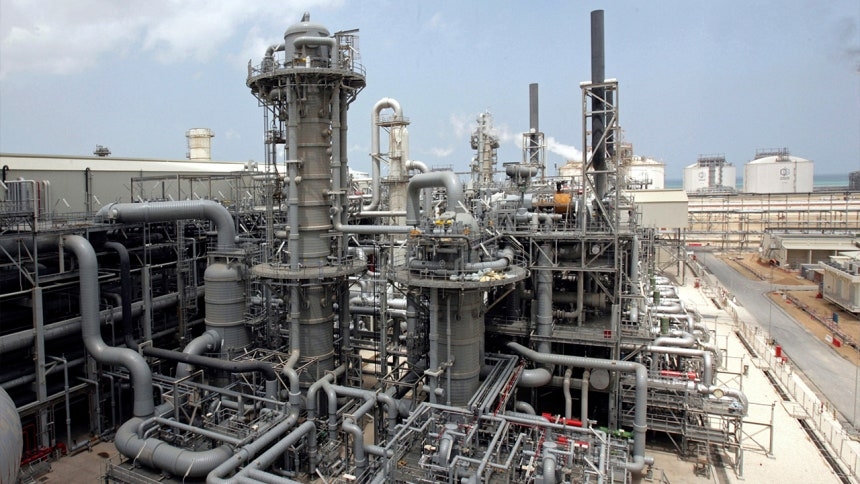
Qatar’s state energy company, QatarEnergy, has warned that long-term supply contracts for liquefied natural gas (LNG) may be disrupted following reported attacks on its facilities, potentially invoking force majeure clauses for up to five years. The warning came after Iranian attacks targeted energy infrastructure in the Gulf region, escalating tensions and raising concerns about global energy supplies.
QatarEnergy CEO Saad Al-Kaabi told Reuters on Tuesday that the company may need to invoke force majeure on LNG supply agreements with nations including South Korea, China, Italy, and Belgium for a period extending up to five years. The attacks have reportedly impacted Qatar’s LNG export capacity by approximately 17%, with full restoration of operations expected to take between three and five years.
Al-Kaabi specified that U.S. Energy firm ExxonMobil holds partial stakes in the affected production lines: 34% in Line S4 and 30% in Line S6, with QatarEnergy owning the remaining shares.
The potential disruption poses a significant challenge for South Korea, which imports approximately 9 to 10 million tons of LNG annually from Qatar – representing 25 to 30% of the nation’s total LNG imports. A prolonged interruption of contracted supplies could force South Korea to procure LNG from the spot market, potentially driving up costs for both industry and consumers.
The attacks follow an Israeli strike on the South Pars gas field in southern Iran, prompting retaliatory strikes by Iran targeting energy facilities in Qatar, the United Arab Emirates, and Saudi Arabia, according to reports. CNBC reported that Iran has vowed an “eye-for-eye” response in the wake of the escalating conflict.
Al-Kaabi emphasized the unusual nature of the attacks, stating, “We did not expect to be attacked by a neighboring Muslim country during the holy month of Ramadan.”
Qatar reportedly downed two Iranian fighter jets as the conflict widened, according to Al Jazeera. European gas prices have already surged in response to the attacks, which threatened oil and LNG sites in Saudi Arabia and Qatar, according to the Middle East Eye.
Leave a Reply