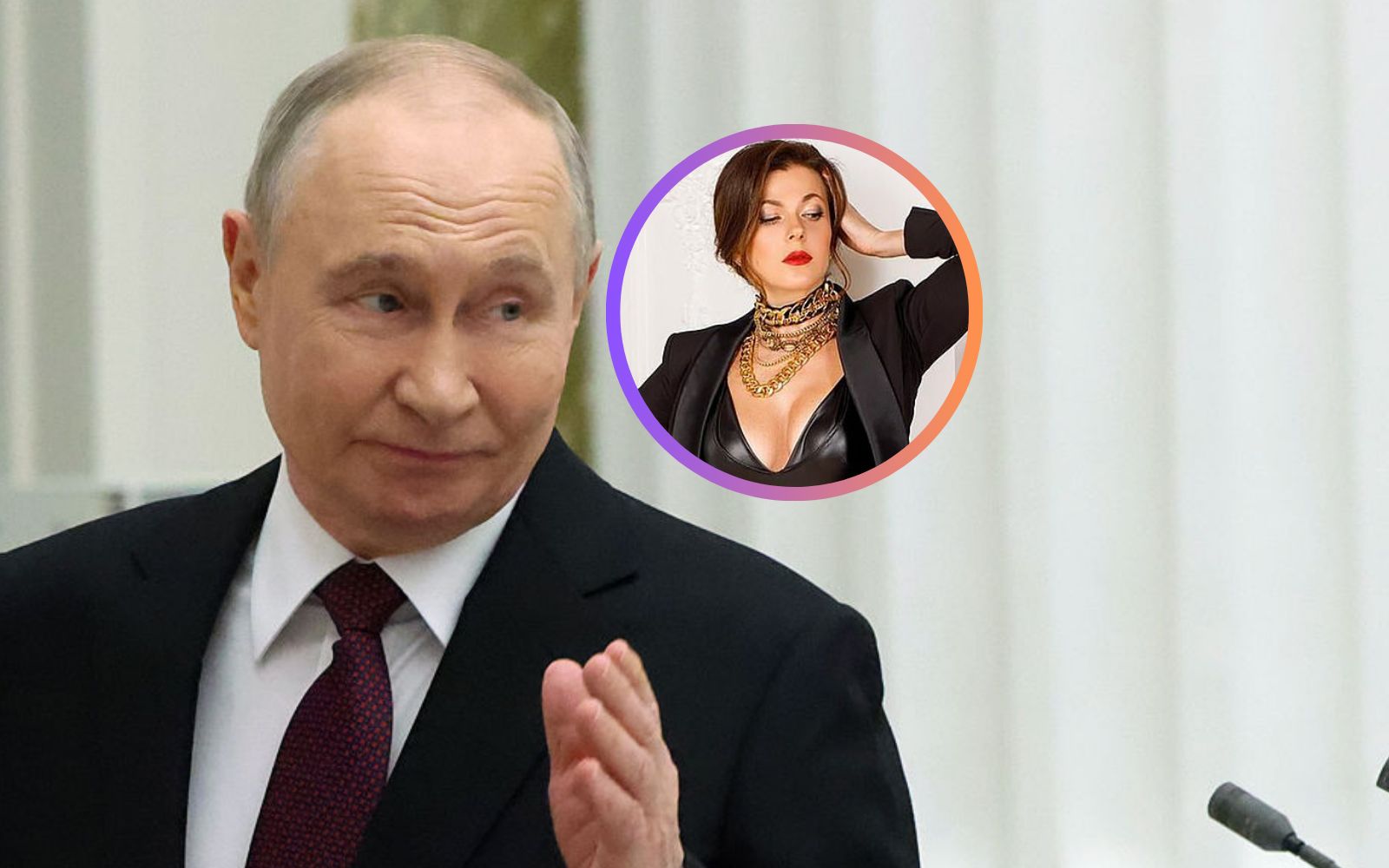
A former interpreter for Vladimir Putin is coordinating international observation of Hungary’s upcoming parliamentary elections, prompting concerns about potential Russian influence over the vote. Daria Boyarskaya, who frequently accompanied Putin at high-level meetings including a 2019 summit with Donald Trump, now serves as a senior advisor at the parliamentary assembly of the Organization for Security and Co-operation in Europe (OSCE-PA), based in Vienna.
Boyarskaya is leading the OSCE-PA’s mission to monitor the Hungarian election scheduled for April 12, 2026, a vote that could unseat the long-serving, pro-Moscow Prime Minister Viktor Orbán. Orbán’s Fidesz party has been trailing in recent polls, facing a challenge from opposition parties. His campaign has centered on criticism of Ukraine and its president, Volodymyr Zelenskyy, and has blocked EU loans to Ukraine, actions that have drawn scrutiny from European allies.
Hungarian rights groups have voiced alarm over Boyarskaya’s appointment, citing her past role within the Russian government and the potential for her to compromise the impartiality of the election monitoring process. Márta Pardavi, co-chair of the Hungarian Helsinki Committee, wrote to OSCE representatives earlier this month expressing concern that Boyarskaya’s presence could discourage civil society organizations from sharing sensitive information about the political climate in Hungary.
“Such meetings often involve the exchange of very sensitive information regarding political pressure, the risk of electoral manipulation, and threats to human rights defenders and journalists,” Pardavi wrote in the letter, as reported by The Guardian. She questioned whether Boyarskaya maintains connections to the Kremlin and argued that her involvement could deter activists from voicing their concerns.
Pardavi requested that the OSCE-PA reconsider Boyarskaya’s role, urging the organization to prevent her from accessing sensitive electoral information or engaging with Hungarian civil society. In response, Roberto Montella, the OSCE-PA’s Secretary General, dismissed Pardavi’s letter as “defamatory,” stating he has full confidence in Boyarskaya, who has worked with the OSCE for a decade and was formally employed in 2021.
Boyarskaya, when questioned, affirmed her adherence to the organization’s regulations. While there is no evidence directly linking Boyarskaya to Russian intelligence or suggesting she is actively passing information to the Russian government, experts note the potential for infiltration of international organizations by Russian intelligence services. Andrei Soldatov, a researcher specializing in Russian security services, stated that organizations like the OSCE are “a primary target for Russian intelligence infiltration,” due to their access to sensitive information and central location within Europe.
Soldatov believes Boyarskaya was “almost certainly under the supervision of Russian security services.” This concern is not new; Boyarskaya was previously deemed undesirable by Polish authorities in 2022 ahead of an OSCE-PA meeting, with officials citing a threat to national security. She remains on Poland’s sanctions list.
Boyarskaya recently invited representatives from civil society organizations to a closed-door meeting in Budapest to discuss their concerns regarding the Hungarian political landscape. The meeting will be led by British Labour MP Rupa Huq and Armenian MP Sargis Khandanyan, and is intended to prepare for a larger monitoring mission comprised of parliamentarians from OSCE member nations around the time of the election.
Leave a Reply