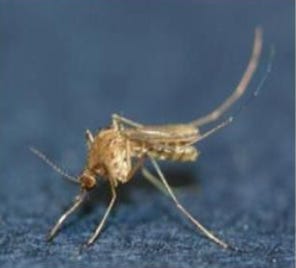
South Korea’s Korea Disease Control and Prevention Agency (KCDC) issued a nationwide alert for Japanese encephalitis (JE) on March 20, 2026, following the detection of the Culex tritaeniorhynchus mosquito – a primary vector for the disease – in the Jeju Special Self-Governing Province. The alert signals heightened public health vigilance and preventative measures across the country.
Japanese encephalitis is a mosquito-borne viral infection prevalent in Asia and the Western Pacific. The KCDC has been monitoring mosquito populations and pathogen activity since 1975 to mitigate the risk of infection. This year’s surveillance began one week earlier than in 2025, reflecting concerns about the impact of climate change on mosquito emergence patterns.
According to the KCDC, the early detection of Culex tritaeniorhynchus is linked to warmer temperatures in Jeju Province. Between February 16 and March 15, the average temperature was 0.8℃ higher than the same period last year, with an average maximum temperature increase of 1.1℃. In just two days of monitoring, 18 mosquitoes were collected, with one identified as a vector for Japanese encephalitis.
Although Japanese encephalitis typically causes mild symptoms – including fever and headache – in many cases, the disease can progress to encephalitis, leading to severe complications such as high fever, seizures, and paralysis. Approximately 20 to 30 percent of patients who develop encephalitis may die, and 30 to 50 percent can suffer long-term neurological damage, according to the KCDC.
Data from the past five years (2019-2023) indicates that the majority of Japanese encephalitis cases in Korea occur in individuals over the age of 50, with men accounting for 60.8% of reported cases. The peak transmission season for the virus is typically August and September, with cases continuing through November. The average number of cases reported annually in Korea is around 17.4.
The KCDC recommends vaccination as a primary preventative measure. Children born after 2013 are eligible for vaccination through the national immunization program. Adults aged 18 and older who have not previously been vaccinated are also advised to consider vaccination, particularly those living or working in high-risk areas – such as near rice paddies or pig farms – or those planning extended travel to regions where Japanese encephalitis is endemic.
Culex tritaeniorhynchus, identified as a highly competent vector for the virus, is a small, dark brown mosquito commonly found in rural environments, including rice paddies and animal barns. Research published in December 2025 indicated that this species exhibits high infection, dissemination, and transmission rates for both genotypes of the Japanese encephalitis virus.
Lim Seung-kwan, Commissioner of the KCDC, urged the public to adhere to mosquito bite prevention guidelines and ensure eligible children receive their vaccinations. The agency is also directing local governments to implement comprehensive vector control plans, focusing on identifying and managing areas with high mosquito larval populations to reduce vector density.
Leave a Reply