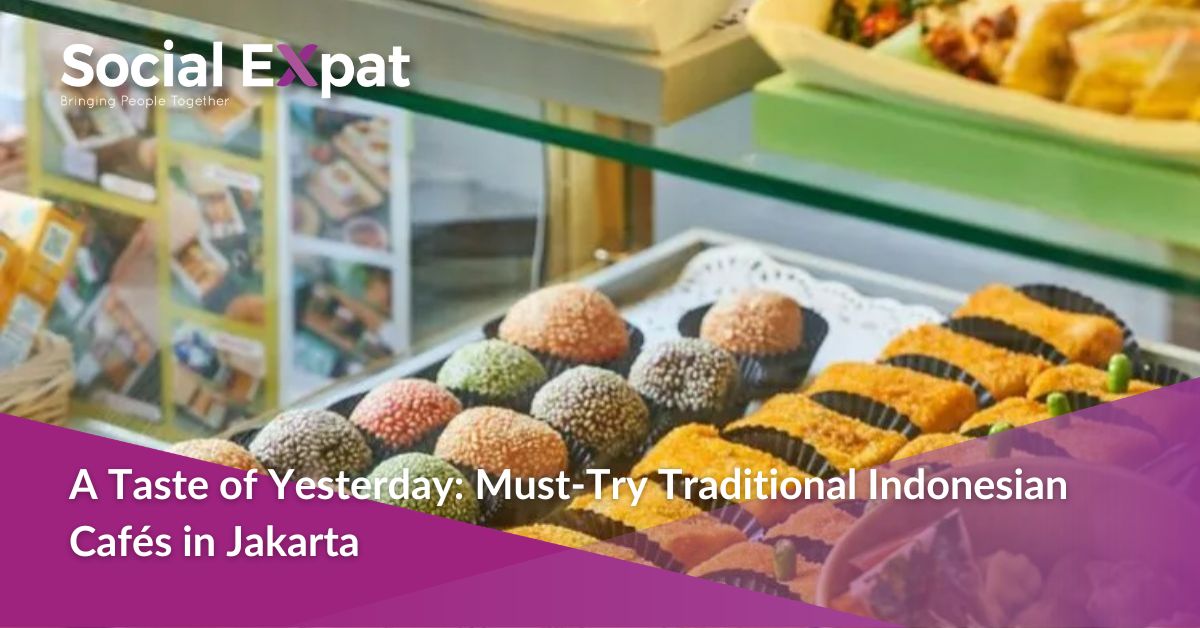
A quiet culinary shift is underway in Jakarta, as traditional Indonesian snacks, known as jajanan pasar, are experiencing a resurgence in popularity, finding modern life within the city’s modern café culture. Once primarily found in traditional markets and from street vendors, these nostalgic treats are now being reimagined and presented in stylish settings, attracting a new generation of diners.
The trend reflects a broader appreciation for Indonesia’s culinary heritage, offering a counterpoint to the city’s embrace of international food trends. Cafés are curating these classic flavors, often pairing them with artisanal coffee and tea selections, and presenting them with a modern aesthetic.
Jajan Si Manis, tucked away in the Kebayoran Baru neighborhood, exemplifies this revival. The café, located on Jalan Rajasa III, evokes a nostalgic afternoon tea experience, featuring vintage décor and elegantly plated traditional snacks. Offerings include pastel (savory fried pastry), arem-arem (rice cakes wrapped in banana leaves), onde-onde (glutinous rice balls filled with liquid palm sugar), and dadar gulung (crepes filled with grated coconut). A high tea experience, priced around Rp200,000, allows guests to sample a curated assortment of these snacks alongside tea. Jajan Si Manis also serves Indonesian dishes like nasi bebek Madura (Madura duck rice) and bakso Malang (Malang meatballs).
Seroja Bake, originally from Bandung, has brought its Indonesian-inspired desserts to Jakarta, opening an outlet in Barito, South Jakarta. The café specializes in creative reinterpretations of traditional flavors, such as the Pavlova Musim Buah, a meringue dessert topped with seasonal fruits. Other highlights include cassava tart and seasonal Indonesian-inspired sweets, showcasing how ingredients like cassava, coconut, and palm sugar can be transformed into refined desserts.
Kawisari Cafe & Eatery, situated on Jalan Kebon Sirih in Menteng, offers a particularly atmospheric experience. The two-story café, associated with the historic Kawisari Coffee plantation, features a colonial-era aesthetic. Alongside its coffee offerings, Kawisari celebrates traditional snacks like serabi (rice pancakes), kue talam (layered cake), and various traditional cakes. The café also serves Indonesian dishes like nasi pecel (rice with peanut sauce), nasi jagung (corn rice), and nasi besek (rice served in a bamboo container).
Loka Nika, near the MRT Haji Nawi station, provides a cozy and accessible option for those seeking a quick taste of tradition. The café offers a selection of classic Indonesian bites, including bolu tape (tape cake), klepon (glutinous rice balls filled with liquid palm sugar and coated in grated coconut), kue talam, soes (cream puffs), and kue lumpur (mud cake), at affordable prices ranging from Rp4,000 to Rp13,000 per piece.
Tjerita Nyonya, a newer addition to Jakarta’s food scene in Melawai and Blok M, focuses on beautifully crafted jajanan pasar. The café’s snacks are known for their generous size, vibrant colors, and meticulous presentation. Popular choices include klepon, layered cakes, and traditional sweet pastries. The café has quickly gained a following, with snacks often selling out quickly.
This revival of traditional snacks represents a way to preserve Indonesia’s culinary heritage, bridging the gap between past and present and inviting younger generations to appreciate the country’s rich flavors in a contemporary setting.
Leave a Reply