
Indonesia Limits Rice Imports to Specialty Restaurants, Maintains No-Import Policy for Public Consumption: Sudaryono
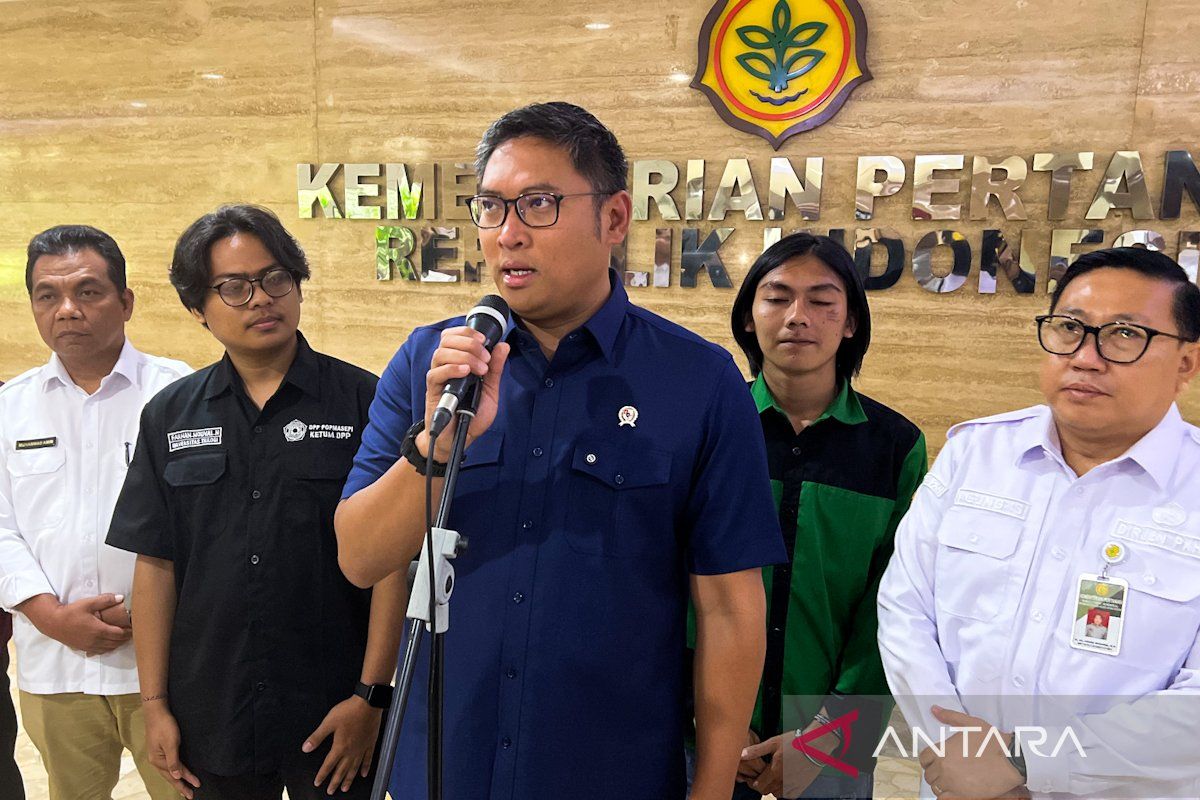
Jakarta, Indonesia - The Indonesian government is reaffirming its commitment to a no-rice-import policy for 2024, with limited exceptions made for specific types of rice required by specialty restaurants, according to Deputy Agriculture Minister Sudaryono. He clarified this position during a press briefing in Jakarta on Wednesday, September 10th.
Sudaryono explained that imports will be restricted to rice varieties not readily available domestically, specifically those needed for cuisines like Japanese and Arabian/Indian. “In short, imported rice is only for certain restaurants,” he stated, emphasizing that these imports are not intended for general public consumption.
The government maintains that domestic rice production is currently sufficient to meet the needs of the Indonesian population. “Our no-import policy is aimed at rice designated for public consumption. as an example, we are not importing medium-grade rice,” Sudaryono added.This policy extends beyond rice, with the government also resolute in prohibiting imports of corn and table sugar in 2025. The focus, according to Sudaryono, is on optimizing domestic production through policies supporting Indonesian farmers and achieving national food self-sufficiency – a directive from President Prabowo Subianto.
Agriculture Minister Andi Amran Sulaiman has been actively working to support this directive, and has already reported a meaningful shift in import reliance.As of September 3rd, Minister Sulaiman confirmed that Indonesia has not imported rice for public consumption throughout 2024, a stark contrast to the three to four million tons imported last year.
National rice stocks currently stand at approximately four million tons, a substantial increase compared to the one to two million tons recorded last year. This positive trend supports projections of a 3.5 million ton rice surplus in 2025, further solidifying the government’s commitment to eliminating the need for rice imports.
