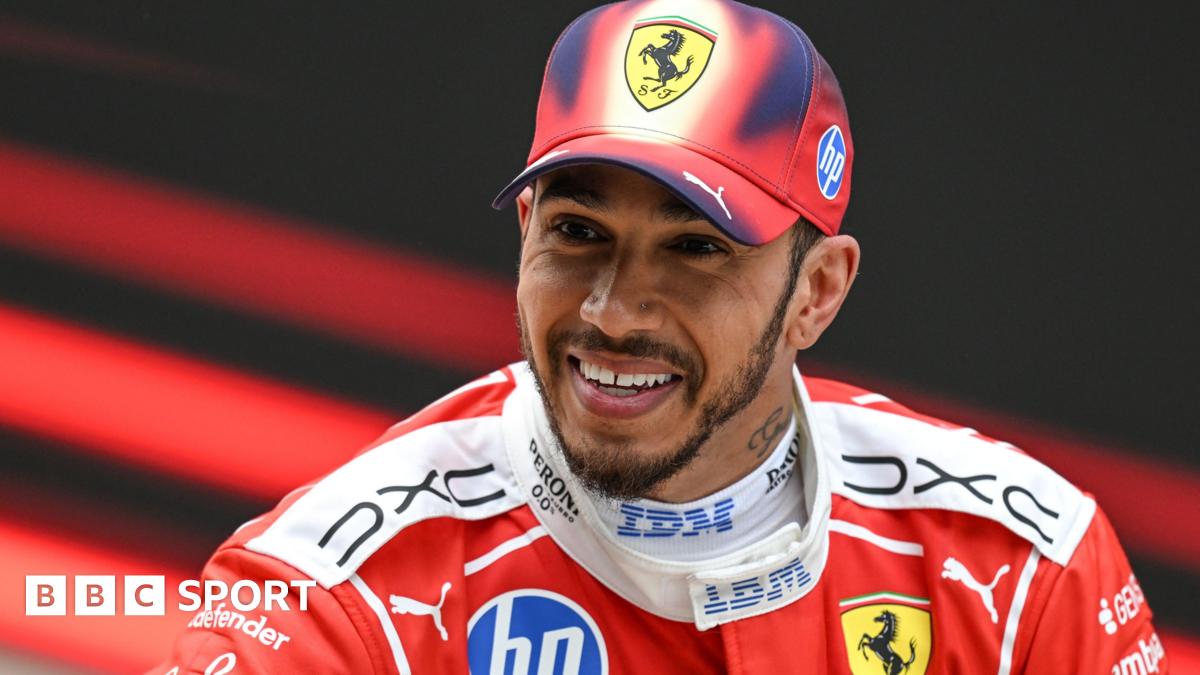
Mercedes team boss Toto Wolff acknowledged the entertainment value of recent Formula 1 racing, specifically the battles between Ferrari and Mercedes at the Chinese Grand Prix, but suggested drivers may need to accept compromises in the driving experience brought about by the current regulations. The comments came after a race where Kimi Antonelli of Mercedes secured his first Formula 1 victory, and Lewis Hamilton achieved his first podium finish with Ferrari.
While acknowledging the positive reception from fans, Wolff indicated a willingness to consider adjustments to the rules, stating, “From an entertainment perspective, what we’ve seen today between Ferrari and Mercedes was good racing…People can always look at how we’re improving it. But at the moment, all the indicators say and all the data say people love it.” He also noted that F1 President Stefano Domenicali shares this assessment.
The current regulations, initially designed to attract new engine manufacturers – a goal that has been achieved – have resulted in a complex set of compromises, particularly concerning energy management. The core issue stems from the 50-50 split between internal combustion engine power and electrical power, coupled with limitations on energy recovery systems. This has led to a situation where drivers are often forced to manage energy consumption rather than drive at the absolute limit, especially in qualifying and fast corners.
A potential near-term adjustment under consideration is allowing cars to utilize the most efficient energy recovery mode – known as ‘super-clipping’ – at a higher power level, potentially as early as the Miami Grand Prix in May. Another proposal involves reducing the power output from the electrical components, which would extend the duration of deployment.
More substantial changes, such as altering the ratio between internal combustion and electrical power or increasing the fuel-energy limit, would necessitate significant modifications to the power units and are unlikely to be implemented before the 2027 season. Discussions surrounding these larger-scale changes are ongoing, particularly as teams commence to consider the next generation of engine regulations.
Kevin Magnussen, currently competing in the FIA World Endurance Championship for WRT and the IMSA SportsCar Championship for RLL as a BMW factory driver, previously raced in Formula One from 2014 to 2020 and again from 2022 to 2024. The Danish driver, son of four-time 24 Hours of Le Mans class winner Jan Magnussen, has been a vocal proponent of a more pure driving experience, echoing sentiments shared by some drivers regarding the current energy management constraints.
Leave a Reply