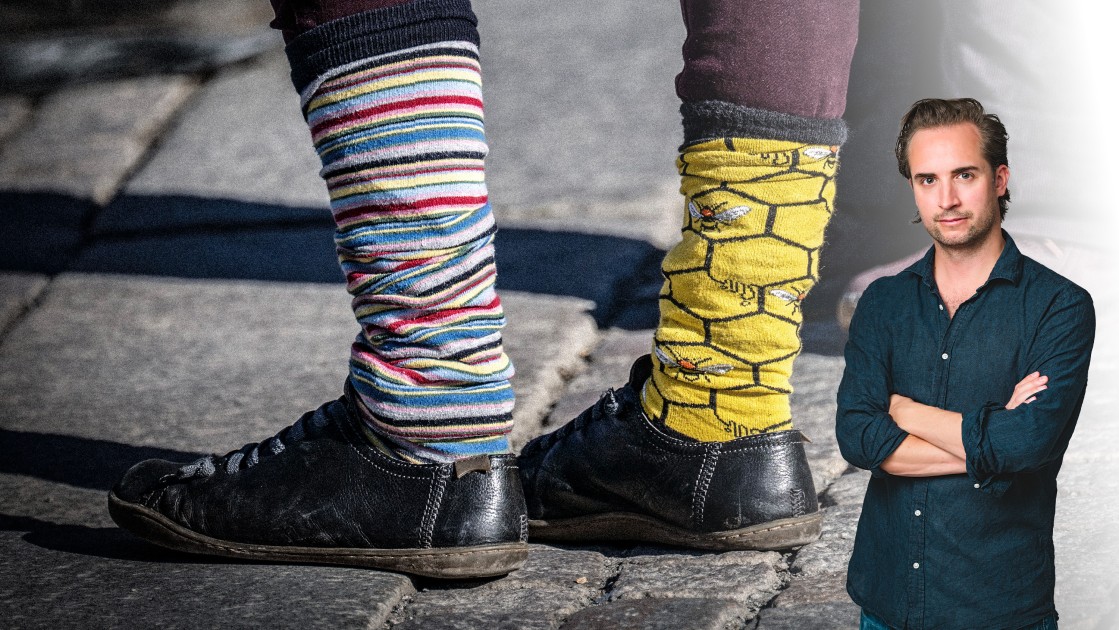
Gothenburg, Sweden – A vibrant display of mismatched socks filled streets and social media feeds today, as Swedes participated in “Rocka Sockorna” – Rock Socks – an annual event coinciding with World Down Syndrome Day. While the gesture of wearing colorful, non-matching socks is widely embraced as a symbol of inclusivity, advocates are criticizing a disconnect between public displays of support and the systemic barriers faced by individuals with Down syndrome in accessing fundamental social and leisure activities.
The tradition, now observed in Sweden and several other countries, aims to raise awareness and challenge preconceptions about Down syndrome, as highlighted by the Swedish Down Syndrome Foundation. The theme for this year’s international observance, originating from Down Syndrome International, is “Together Against Loneliness,” emphasizing the importance of social inclusion.
However, a recent report by the Swedish Association for People with Intellectual Disabilities (FUB) reveals a stark contrast between the symbolic gestures and the reality experienced by many. The report indicates that four out of ten individuals residing in LSS (Law on Support and Service) housing – accommodations designed to provide support for people with disabilities – are not receiving the assistance they are legally entitled to, primarily due to staffing shortages. This lack of support directly impacts their ability to participate in everyday activities, leading to social isolation.
“The situation is unacceptable,” said a spokesperson for FUB, who requested anonymity due to ongoing negotiations with municipalities. “We are seeing cases where arranging a simple visit to a swimming pool requires planning six weeks in advance. This represents a far cry from the legal requirement for individuals to live ‘like everyone else.’”
The issue extends beyond staffing shortages to encompass a trend of municipalities creatively restricting access to personal assistance services. According to advocates, some municipalities are automatically terminating ledsagare (personal assistant) support upon an individual’s move into LSS housing, under the assumption that social and recreational activities are inherently included in the residential care package. In practice, this often translates to group activities that do not cater to individual preferences or needs.
“Imagine wanting to travel for a run, but being forced to play badminton with the board of your housing association – and only in four weeks’ time,” the FUB spokesperson explained. “This results in isolation and loneliness. The loss of a ledsagare isn’t just the loss of assistance; it’s often the loss of a long-term relationship, sometimes one of the few they have.”
The financial implications of these cuts are likewise drawing criticism. Advocates argue that the resources required to ensure meaningful participation in social life represent a relatively little investment compared to the overall municipal budgets, particularly given Sweden’s economic standing. Data indicates that ledsagarservice has decreased by nearly 30 percent over the past 14 years, coinciding with a period of increasing national wealth.
The disconnect between symbolic support and tangible action has prompted a grassroots response. Individuals are taking to social media, echoing a call to action that began Friday evening, dubbed “Rocka Sockorna Afton” due to the observance falling on a Saturday, to directly question local politicians posting images of their colorful socks. The challenge asks whether these politicians believe individuals in LSS housing should have the same rights to access leisure activities – such as going to the cinema, the gym, or simply spending time with friends.
The Världskulturmuseet in Gothenburg hosted a “Rocka Sockorna” festival today, offering family-friendly activities and performances with free entry. The event, organized by the Swedish Down Syndrome Foundation’s West chapter, aims to celebrate individuals with Down syndrome and promote equal rights. A fundraising drive is underway to support the event, with organizers accepting donations via Swish.
Leave a Reply