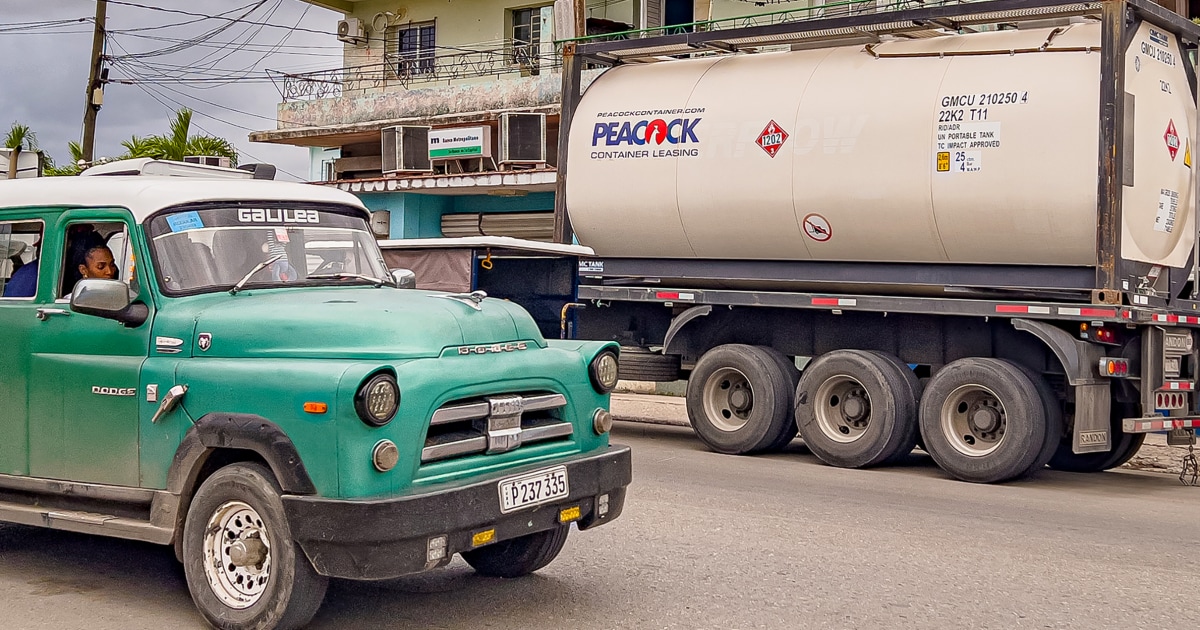
Havana taxi driver José Menenses spent a recent night sleeping in his 1952 Ford convertible, one of hundreds of drivers waiting in line for a meager 5 gallons of gasoline, a consequence of Cuba’s deepening fuel shortages. The scarcity has forced residents to seek alternative transportation, with bicycles and horse-drawn carriages becoming increasingly common sights in the capital.
Menenses, like many Cubans, has been compelled to find additional sources of income to cope with the economic strain. He now works as a food vendor alongside his taxi driving, a profession increasingly hampered by the lack of fuel. “What we have is not the first time we’re in great difficulty, so we’ve always managed to have a Plan B,” he told NBC News, acknowledging the recurring challenges faced by Cubans. He expressed a degree of security stemming from his family’s entrepreneurial efforts and his home’s small solar generator, allowing him to maintain some basic necessities.
The fuel crisis is compounding existing hardships, with long lines also forming at street markets for basic food items like potatoes, accessible only to those who can afford them. A young mother at one such market lamented her inability to purchase food despite the market being open, highlighting the growing economic disparity. Giovanni Rafael Peleta, an upholstery business owner in Central Havana, expressed relief at having power at his shop, contrasting it with a recent day-long blackout. “It’s like having a rope around my neck,” he said, voicing the pervasive sense of economic pressure.
The situation has fueled calls for change. Nelson Pérez, a barber, has been using social media to advocate for “profound democratic and economic changes” in Cuba, reflecting a growing discontent among the population. “We’re tired,” Pérez said while cutting a young boy’s hair, encapsulating the widespread frustration.
Cuban officials have acknowledged the severity of the situation and signaled a willingness to explore latest economic avenues. Oscar Pérez-Oliva Fraga, Cuba’s deputy prime minister, stated in an interview with NBC News that the country is open to establishing “a fluid commercial relationship with U.S. Companies and also with Cubans residing in the United States and their descendants.” This statement comes as President Miguel Díaz-Canel has urged for “immediate” economic changes earlier this month, responding to pressure from the U.S. Administration for alterations to the government’s leadership and economic policies.
The current shortages have been exacerbated by what some Cubans describe as a U.S. Oil blockade, initiated in January under the previous administration. Peleta explicitly welcomed assistance from any country, including the United States, stating, “Things are just too dire to keep throwing stones.”
Leave a Reply