Kuwait’s Mina al-Ahmadi refinery was struck by Iranian drone attacks on Friday, setting multiple units ablaze as explosions rocked Tehran, escalating a conflict entering its fourth week and triggering fears of a wider regional war. The attacks came as Muslims across the Gulf marked Eid al-Fitr and Iranians celebrated Nowruz, the Persian Fresh Year.
Kuwait’s national oil company reported that several units at the refinery, which processes approximately 730,000 barrels of oil per day, had been shut down, but no casualties were reported. Kuwait’s military stated its air defenses were actively intercepting incoming missile and drone threats. The strikes are part of a broader Iranian campaign targeting Gulf Arab states, launched in response to an earlier Israeli strike on Iran’s South Pars gasfield, a critical source of natural gas for the country.
Simultaneously, explosions were reported in Tehran, with Israeli attacks targeting government facilities, according to Iranian state TV. Ali Mohammad Naini, deputy head of public relations for the Islamic Revolutionary Guard Corps, was reportedly killed in the strikes, adding to a growing list of Iranian officials assassinated by Israel. Air raid sirens sounded in Tel Aviv and Jerusalem as Iran launched a barrage of missiles, some of which reportedly carried cluster bombs, according to the Israeli ambulance service.
The conflict is impacting global energy markets. The benchmark price of Brent crude oil briefly surged before easing slightly to $108 per barrel. Flows of crude and petroleum have decreased by roughly 12 million barrels per day, representing about 12 percent of global demand, due to output cuts and export halts by Gulf producers. US Energy Secretary Chris Wright indicated that some Asian customers could potentially receive supplies within three to four days if the US were to lift sanctions on Iranian oil currently held at sea.
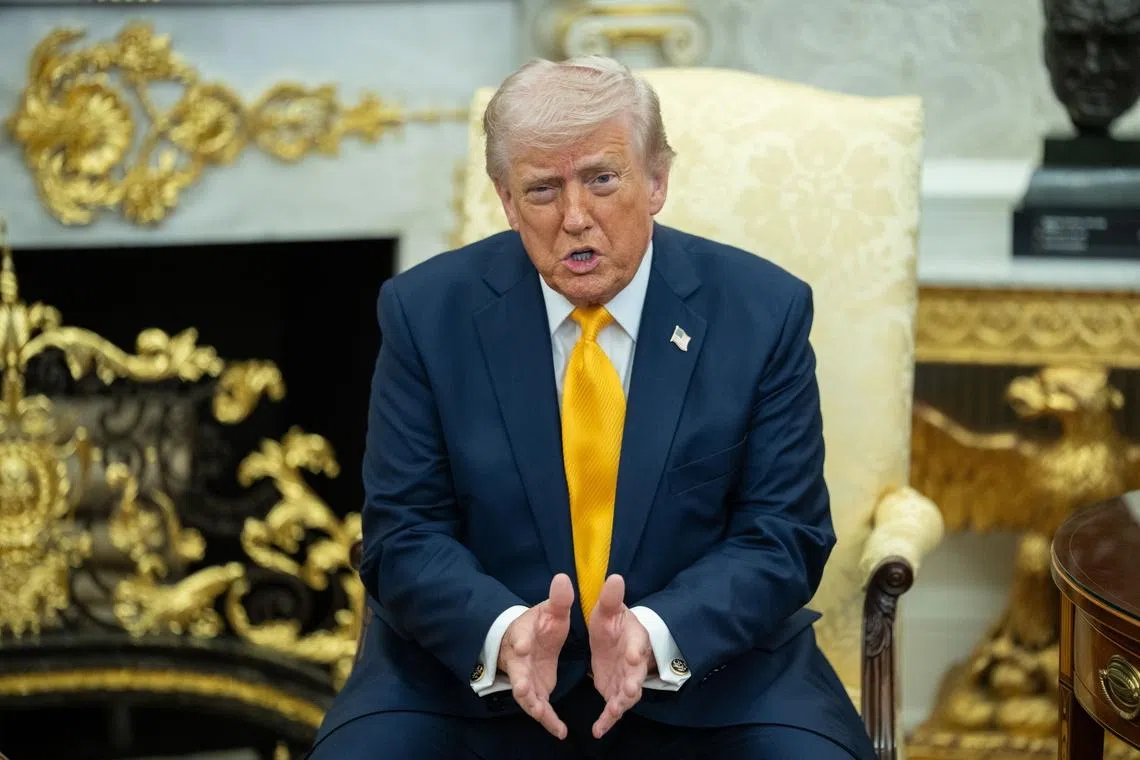
US President Donald Trump reiterated his call for allies, including Germany, Britain, Italy, France, the Netherlands, Japan, and Canada, to assist in securing the Strait of Hormuz, a vital waterway for global oil and gas shipments. A joint statement from the aforementioned nations pledged their commitment to “appropriate efforts to ensure safe passage” through the Strait, but German Chancellor Friedrich Merz clarified that this would require a cessation of hostilities. French President Emmanuel Macron emphasized the importance of upholding international law and de-escalation, stating that there was no appetite among European leaders to directly intervene in the conflict.
The US President as well stated he told Israel’s prime minister to stop attacks on energy facilities, following a previous strike on Iran’s gas field. Despite this, Israel’s Prime Minister Benjamin Netanyahu asserted that Iran is now unable to enrich uranium or produce ballistic missiles. However, the Revolutionary Guards maintain that missile production is ongoing.
US Director of National Intelligence Tulsi Gabbard noted a divergence in objectives between the US and Israel, with Israel focused on disabling Iranian leadership and the US aiming to destroy Iran’s ballistic missile capabilities and navy. Reports suggest the US is considering deploying additional troops to the Middle East, potentially including a presence on Iranian shores or Kharg Island, a key oil export hub, though President Trump declined to confirm such plans.
The conflict has resulted in thousands of deaths and widespread displacement, particularly in Iran and Lebanon, where Israel has targeted Iranian-backed Hezbollah. Netanyahu suggested that overthrowing the Iranian government would necessitate a “ground component,” while the war’s economic impact, including rising US diesel and petrol prices, is becoming a political liability for Trump as Republicans prepare for midterm elections.
Leave a Reply