
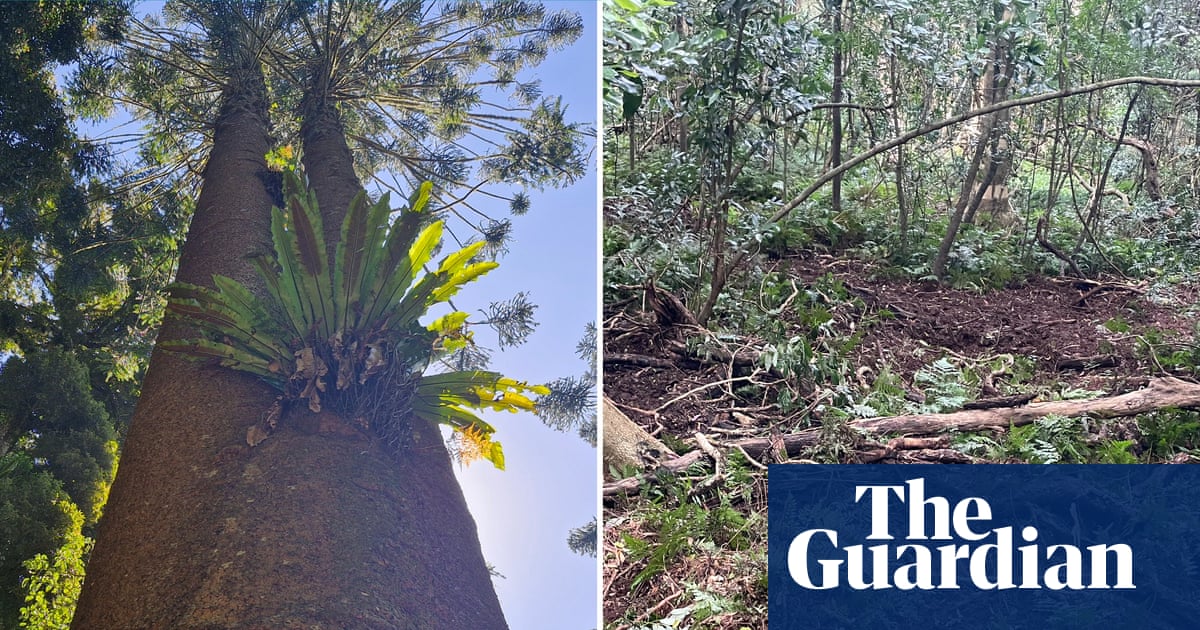
Feral Pigs Devastating Queensland rainforests, Sacred Sites, Customary Owners Warn
Cairns, Queensland – Rainforests, rivers, and culturally significant sites across Queensland are suffering extensive damage from a rapidly escalating feral pig population, according to warnings from Traditional Owners. The destructive impact of the pigs is prompting calls for urgent and increased investment in control measures, especially in the Cape York Peninsula, to prevent further environmental and cultural loss.
The growing pig numbers are ripping through delicate ecosystems, eroding riverbanks, destroying native vegetation, and desecrating sacred Indigenous sites. Traditional Owners report widespread damage, with the invasive species’ rooting behavior causing significant soil erosion and impacting water quality. The scale of the problem demands a coordinated, landscape-level response, experts say, with current efforts proving insufficient to curb the population growth.
“We care about our country,” says Wayne Meldrum, a traditional Owner from Cape York. ”Prevention is better than cure any day.” Meldrum is advocating for increased resources to empower Indigenous communities to lead control efforts in the region before the situation deteriorates further.
Experts emphasize the need for professional and humane control methods implemented across large areas. “Effective feral pig control needs to be professional and humane and done at a landscape scale,” explains Dr. Peter Pianta,an expert in invasive species management. ”We no that to achieve pig population reduction, you need to remove greater than 70% of their number each year.”
A recent $2 million investment by the Queensland government to address the state’s feral pig problem is viewed as a positive step, but many believe more considerable and targeted funding is crucial, particularly for supporting Indigenous-led initiatives in vulnerable areas like Cape York.The long-term consequences of inaction include irreversible damage to biodiversity, compromised water resources, and the continued erosion of cultural heritage.
