
U.S. Military Operations in Caribbean & Pacific Rely on High-Cost Arsenal
WASHINGTON – U.S.Southern Command and Special Operations Command are conducting offensives against suspected drug cartels in the Caribbean and Pacific, utilizing a range of advanced and expensive military assets, according to U.S. governance officials and congressional sources. The operations, while aimed at counternarcotics efforts, are raising questions about target identification and the scale of military deployment.
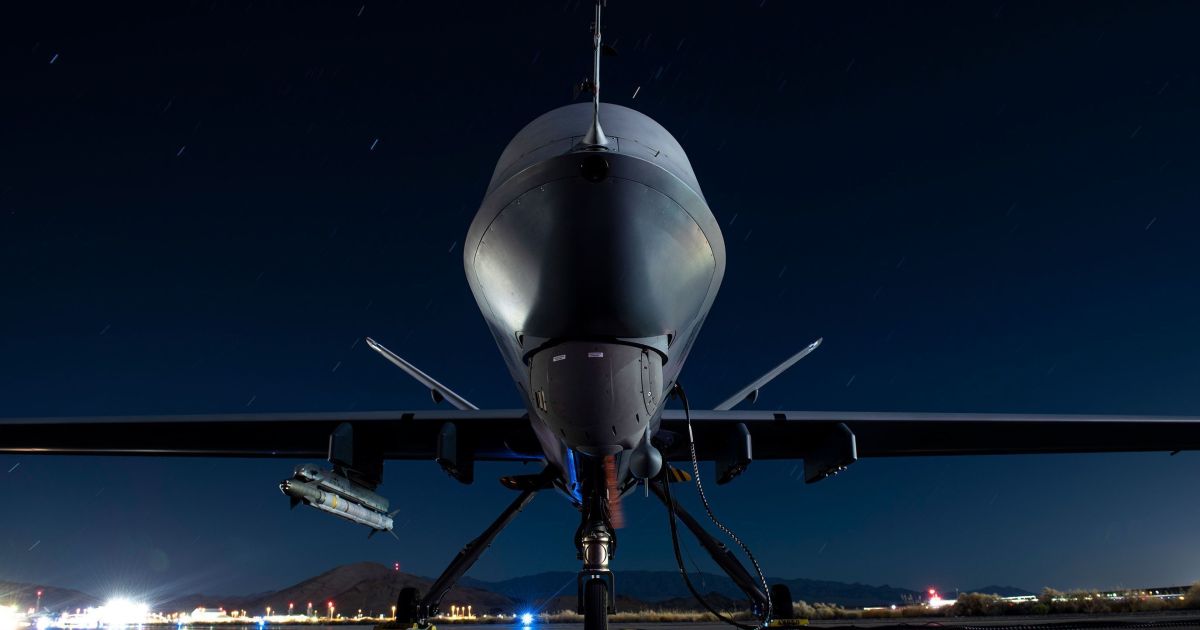
each offensive typically costs “hundreds of thousands of dollars,” factoring in flight hours and ammunition expenses, officials have acknowledged. A key component of these strikes is the Hellfire missile, which costs approximately US$150,000 per unit. Aircraft employed in the operations include Reaper drones, operating at around US$3,500 per flight hour, and F-35 fighter jets, costing roughly US$40,000 per flight hour.
While the flight hour cost of the AC-130J aircraft remains unpublicized, its predecessor, the AC-130U (discontinued in 2019), previously cost over US$40,000 per flight hour.
The targeting process is a joint effort between U.S. Southern Command and Special Operations Command, supported by intelligence community input. Though, administration officials have admitted to Congress that they do not always know the identities of individuals aboard targeted vessels prior to attack. Instead, strikes are based on intelligence linking the vessels to specific cartels or criminal organizations, as reported by CNN.
Adding to the military presence, the Ford Carrier Strike Group is currently moving to the region to support counternarcotics operations and intelligence gathering. As of last month,a “notable percentage” of all U.S. naval assets globally were already deployed within U.S. Southern Command’s area of responsibility.The deployment has sparked speculation, including questions about potential future actions against Venezuela, as noted in reporting by CNN Brasil.
During a recent briefing,two senior U.S. Special Operations officials reportedly could not fully explain the necessity of such a substantial military presence for targeting smaller vessels, according to a source present at the closed-door session on capitol Hill.
