
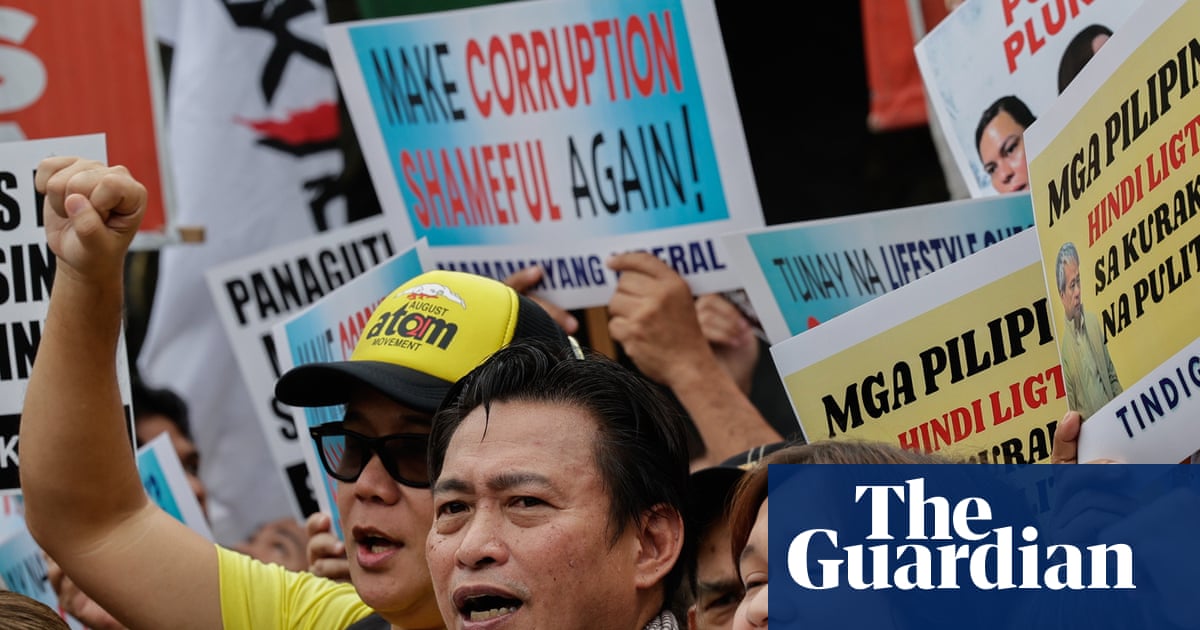
Philippines Speaker Resigns Amid Protests Over Alleged Infrastructure Corruption
Manila, Philippines – Martin Romualdez, speaker of the Philippine House of Representatives and a cousin of President Ferdinand Marcos Jr., resigned Wednesday amid mounting public anger and calls for inquiry into alleged corruption surrounding government infrastructure projects. The resignation comes as a wave of youth-led protests sweeps across Asia, fueled by discontent with entrenched elites and perceived government mismanagement.
The move follows accusations leveled against nearly 30 House members and officials in the Department of Public Works and Highways of receiving cash payments from a construction firm. Public outrage intensified after President Marcos highlighted these same infrastructure projects in a July state of the nation address, delivered weeks after deadly flooding impacted the nation. Romualdez stated his resignation was intended to allow an independent commission to investigate the allegations “freely and fully - without doubt, without interference and without undue influence.”
“The issues surrounding certain infrastructure projects have raised questions that weigh not only upon me but upon this institution we all serve,” Romualdez said in a speech before the plenary. “The longer I stay,the heavier that burden grows.” He added he resigned with “a full heart and a clear conscience” and unequivocally supported calls for accountability.
President Marcos announced Monday the formation of a three-person commission, headed by former Supreme Court Justice Andres Reyes, to review flood-control projects undertaken over the past decade.
The Philippines is experiencing a surge in public discontent mirroring similar movements in neighboring countries. This month, a Gen Z-led protest movement toppled the government in Nepal, and demonstrations erupted in Indonesia over privileges afforded to lawmakers, prompting the government to retract the contested benefits. In East Timor, a plan to provide lawmakers with free SUVs was scrapped following public protests.these movements reflect a broader trend of youth-driven activism challenging established political structures across Asia.
