
AI Threatens to Silence Voice Actors Worldwide
Artificial intelligence is rapidly advancing, and voice actors around the globe fear their livelihoods are at risk. The industry, currently worth over $4 billion, faces disruption as AI-dubbed films become more prevalent.
The Rise of AI Dubbing
For decades, films have been dubbed into numerous languages, with voice actors like **Daniela Hoffmann** (German voice of **Julia Roberts** in *Pretty Woman*) becoming well-known in their countries. But now, AI threatens to replicate these voices without consent.
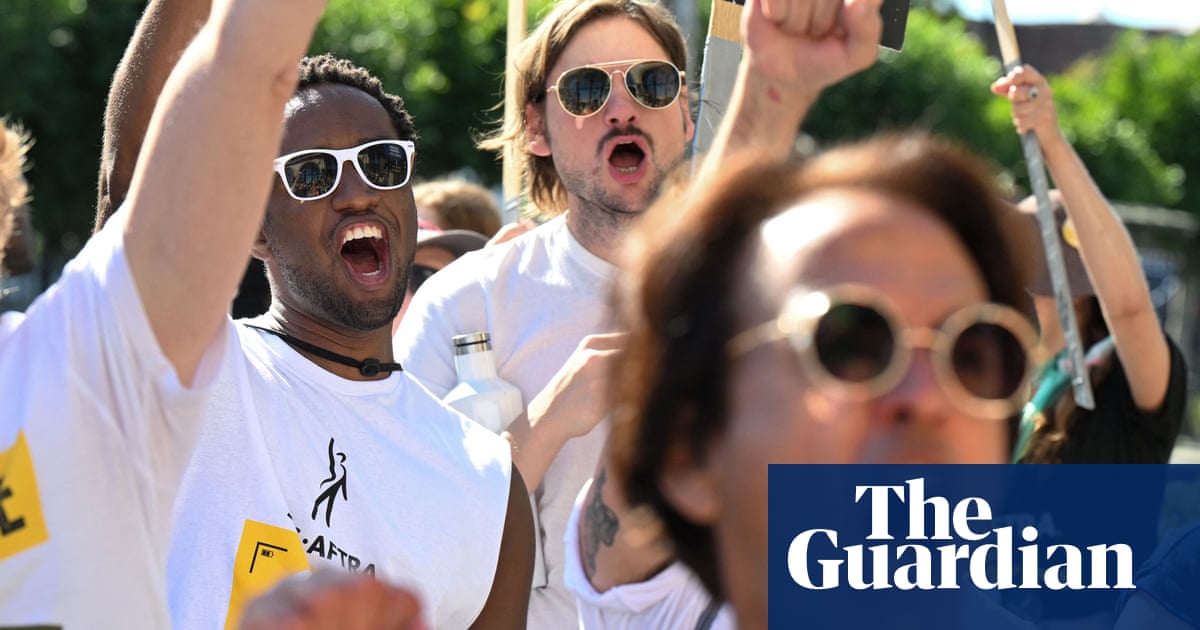
During the 2023 Hollywood actors’ strike, concerns about AI undermining roles led to demands for federal protection. Subsequently, over 20 voice acting guilds formed the United Voice Artists coalition, campaigning with the slogan “Don’t steal our voices”
.
French Resistance
**Patrick Kuban**, a voice actor and organiser with the dubbing union Voix Off, is spearheading the #TouchePasMaVF campaign in France. He and the French Union of Performing Artists are pushing for dubbing to be included in France’s l’exception culturelle, which protects cultural goods as part of national identity.
According to a 2023 Audiens Group study, AI could jeopardize approximately 12,500 jobs in France, encompassing writers, translators, sound engineers, and voice actors. **Kuban** insists dubbing is not merely translation, but cultural adaptation: “to the French humour, to include references, culture and emotion.”
Human Element
**Tim Friedlander**, president of the National Association of Voice Actors, emphasizes the irreplaceable human qualities in voice acting. “Humans are able to bring to [these roles]: experience, trauma and emotion, context and background and relationships,”
he says.
Dubbing’s Roots
The dubbing industry expanded significantly after the introduction of sound cinema in the late 1920s. Authoritarian leaders in Europe initially embraced dubbing to control content and promote national languages. In fact, **Mussolini** banned foreign languages in movies. Today, many viewers prefer dubbed films: 61% in Germany and 54% in France. According to a recent study, the global subtitling and dubbing market is projected to reach $4.18 billion in 2024 (Statista).
The Stallone Case
Earlier this year, ElevenLabs, a UK-based startup, revealed intentions to clone **Alain Dorval**’s voice – the French voice of **Sylvester Stallone** – for a new thriller, Armor, on Amazon. **Kuban** describes AI voice cloning as “a kind of monster,”
warning that without protection, numerous jobs across cultural industries will be lost.
Ethical Concerns
**Daniele Giuliani**, president of the Italian dubbers’ association, ANAD, calls the unauthorized use of voices “very serious.”
His organization fought for AI clauses in national contracts. “If you steal my voice, you are stealing my identity,”
says **Giuliani**, who voiced **Jon Snow** in *Game of Thrones*.
Global Impact
In India, **Sanket Mhatre**, the Hindi voice of **Ryan Reynolds** in *Green Lantern*, worries about contracts granting perpetual usage rights. He says “signing something like this is essentially just signing away your career.”
**Mhatre** dubs 70-100 Hollywood movies into Hindi annually, alongside other international films. He fears the decline in corporate dubbing jobs but believes adapting to cultural nuances still requires a human touch.
The Fight Ahead
**Kuban** urges, “We need to stand against the robots… we need to have actors on the screen.”
