
Wildfire Smoke Coudl Cause 70,000 Annual Deaths in U.S. by 2050, New Study Warns
NEW YORK – A new study published September 18 in the journal Nature projects a significant increase in wildfire-smoke-related deaths across the United States due to the effects of climate change. Researchers estimate that an additional 30,000 deaths per year could occur by 2050, and that number could climb to 60,000 annually even if global temperatures rise less than 3.6 degrees Fahrenheit, potentially reaching 70,000 deaths with continued warming.
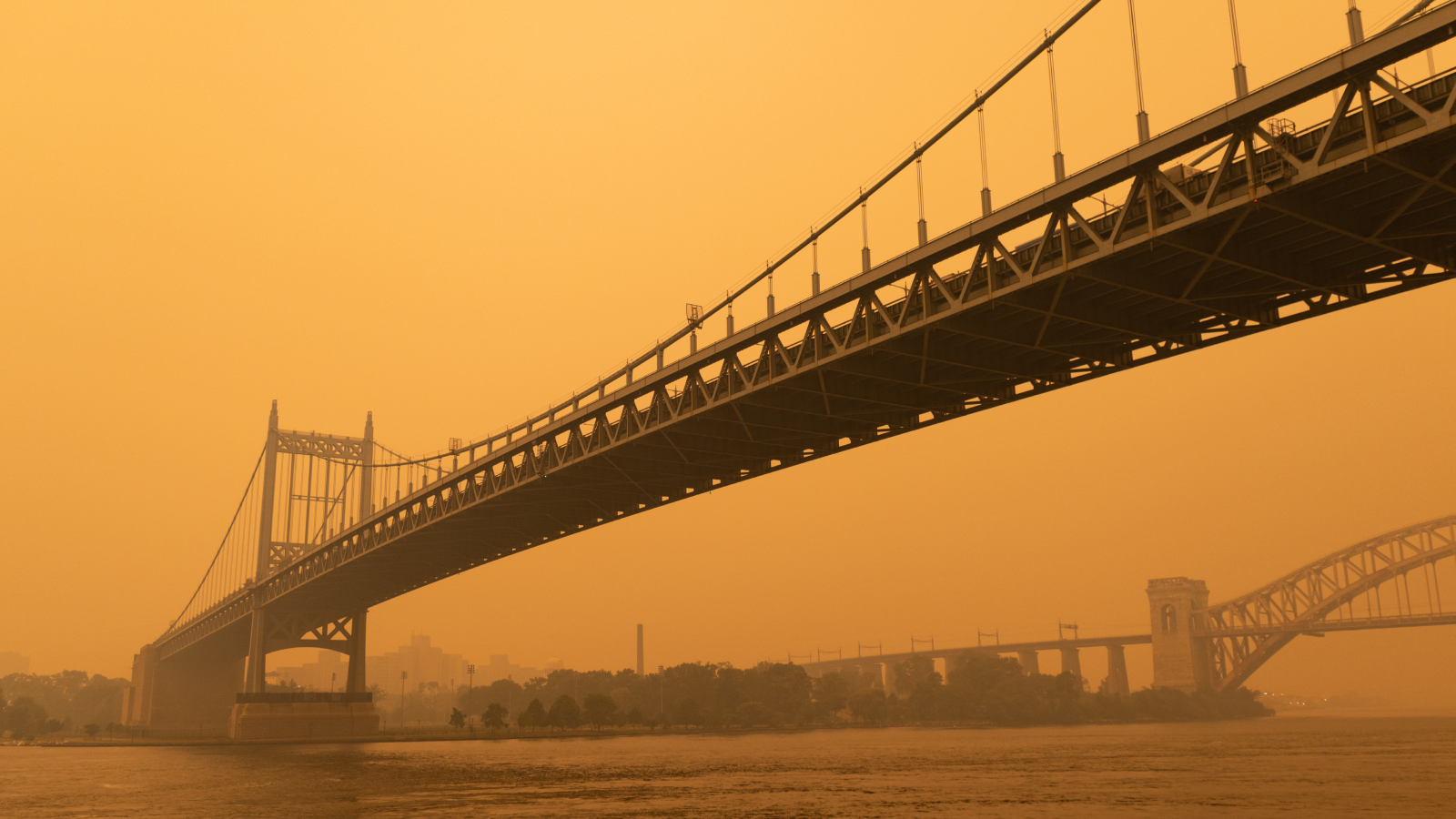
The research, led by scientists from Harvard University and Stony Brook University, analyzed past mortality and smoke concentration data to model the impact of increased wildfire smoke exposure on human health. The study highlights the increasing prevalence of long-range transport of wildfire smoke, with recent “massive smoke events” impacting the Eastern and Midwestern U.S. from Canadian fires.
“There are larger increases on the West Coast, but thereS also long-range transport of wildfire smoke across the country,” said Minghao Qiu, an assistant professor in the School of Marine and Atmospheric Sciences at Stony Brook University, who contributed to the analysis.
California is projected to bear the brunt of these deaths, with an estimated 5,060 additional fatalities per year. New York, Washington, Texas, and Pennsylvania are also expected to see substantial increases, each potentially experiencing an additional 1,600 deaths annually by 2050.
Researchers emphasize that curbing carbon emissions is crucial to preventing these deaths. They also suggest mitigation strategies such as indoor air filtration systems and authorized, controlled burns to reduce wildfire severity.
“our understanding of who is vulnerable to this exposure is much broader than we thought,” said lead researcher Michael Burke. “It’s pregnant people, it’s kids in schools, it’s anyone with asthma, it’s people with cancer. We look at one specific health outcome in this study – mortality – and unfortunatly find a shared burden of exposure for individuals across the U.S.”
