
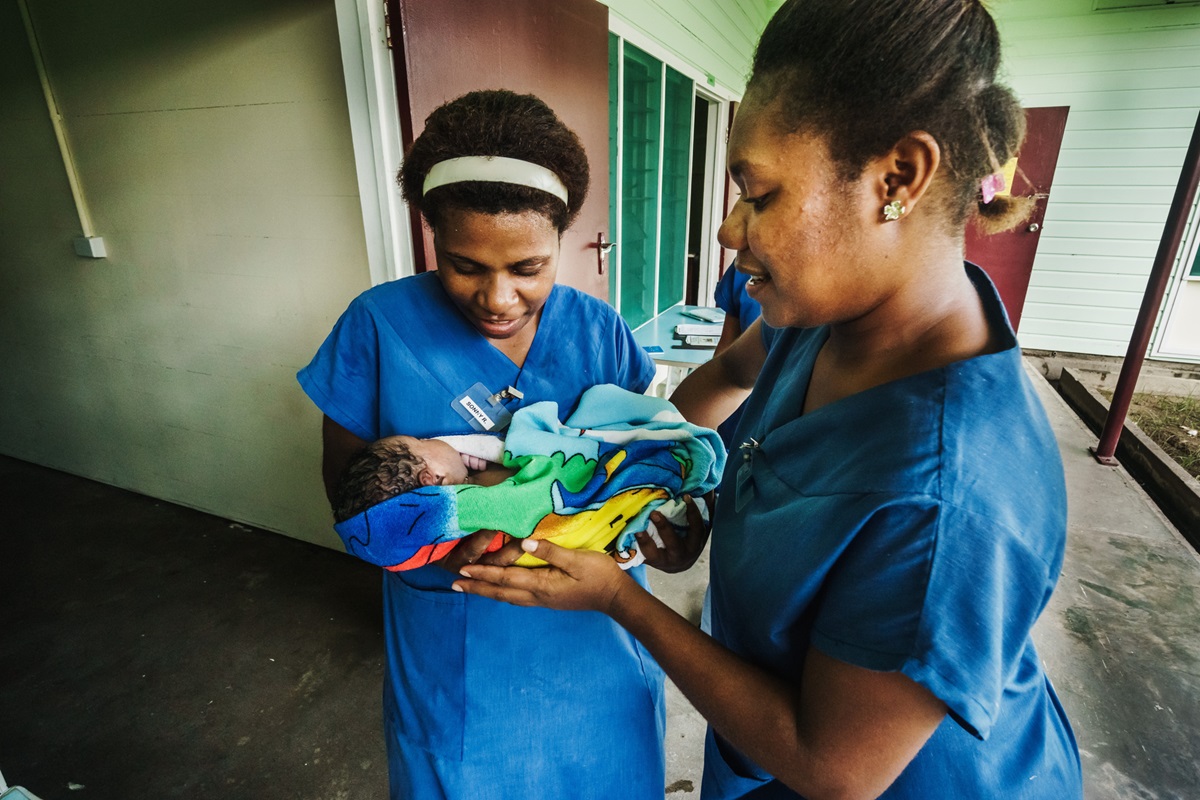
WHO Urges Global Expansion of Midwifery to Combat Maternal Mortality
Table of Contents
- WHO Urges Global Expansion of Midwifery to Combat Maternal Mortality
- The Benefits of Midwifery Care
- Addressing maternal and Newborn Mortality
- Practical Implementation and Collaboration
- Midwifery Care Models: A breakdown
- Global Progress and Challenges
- Key Metrics: Midwifery impact
- Evergreen insights: The Enduring value of Midwifery
- Frequently Asked Questions About Midwifery Care
The World Health organization (WHO) is calling for a global increase in midwifery care, releasing new guidelines to assist countries in adopting and expanding these models. Midwives serve as primary caregivers for women and their babies throughout pregnancy, childbirth, and the postnatal period, offering a proven path to improved maternal and newborn health outcomes.
The Benefits of Midwifery Care
The WHO’s guidance emphasizes strong communication and partnership between women and midwives, leading to significant health benefits.Women receiving care from trusted midwives are statistically more likely to experience healthy vaginal births and report greater satisfaction with their care [SOURCE: WHO].
Did You Know? midwifery care emphasizes non-invasive techniques such as mobility during labor, breathing guidance, and varied birthing positions, empowering women and reducing the need for medical interventions.
Dr. Anshu Banerjee, Director for Maternal, Newborn, Child and Adolescent Health and Ageing at WHO, stated that investing in midwifery models is one of the most effective strategies to improve maternal and newborn health globally. These approaches not only improve outcomes and maximize resources but also enhance the overall care experience for women and their families.
Addressing maternal and Newborn Mortality
Despite progress, maternal and newborn deaths remain unacceptably high, especially in low-income and fragile settings. Recent modeling suggests that universal access to skilled midwives could prevent over 60% of these deaths, potentially saving 4.3 million lives annually by 2035 [SOURCE: WHO]. This makes expanding access to midwifery a critical global health imperative.
Pro Tip: Midwifery care is also an crucial response to the growing concern of over-medicalization in childbirth. while interventions like C-sections are sometimes necessary, their routine use can create health risks.
Practical Implementation and Collaboration
The new WHO guidance provides practical tools and real-life examples to help countries transition toward midwifery models of care.This includes strong political commitment, strategic planning, long-term financing, and high-quality midwifery regulation and education aligned with international standards.
Successful implementation also requires strong collaboration. Midwives should be empowered to work independently while integrated into broader healthcare teams alongside doctors and nurses. In the event of complications, midwives should partner with other professionals to ensure quality multidisciplinary care for every woman and baby.
Midwifery Care Models: A breakdown
The WHO outlines several adaptable models of midwifery care:
- Continuity of care: Women are supported by a known midwife or small team throughout pregnancy,birth,and the postnatal period.
- Midwife-led birth centers: Dedicated facilities where midwives provide care for women at low risk of complications, often offering antenatal and postnatal care.
- Community-based approaches: Midwives deliver services directly in communities via mobile units or local health centers.
- Private practice: Independent midwives operate independently or through organizations, requiring regulation and integration into national health systems.
Global Progress and Challenges
Millions of women still give birth without a skilled health worker, and a third do not receive even four of WHO’s recommended eight pregnancy checks. Progress in reducing maternal and newborn mortality has largely stagnated since 2016 [SOURCE: WHO]. This underscores the urgent need for expanded midwifery care.
Anna Ugglas, Chief Executive of the International Confederation of Midwives, emphasizes that midwifery models of care are not just smart solutions but a necessity. they offer a person-centered, evidence-based approach that respects the physiological process of birth, restores dignity and autonomy to maternity care, and helps ensure safety for women and newborns everywhere.
Key Metrics: Midwifery impact
| Metric | Impact |
|---|---|
| Maternal & Newborn Deaths Prevented by 2035 | 4.3 million |
| Reduction in Maternal & Newborn Deaths with Universal Midwife Access | Over 60% |
| Women Lacking Skilled Birth Attendants | Millions Globally |
Evergreen insights: The Enduring value of Midwifery
Midwifery has a long and rich history,serving as a cornerstone of maternal and newborn care across cultures.The resurgence of midwifery models reflects a growing recognition of the importance of personalized, woman-centered care that respects the natural processes of childbirth. By empowering women and providing skilled support, midwives contribute to healthier outcomes and more positive birth experiences.
The focus on continuity of care, where women are supported by a known midwife throughout their pregnancy and birth journey, fosters trust and allows for individualized care plans. This approach contrasts with the often fragmented and impersonal nature of modern medical care, offering a more holistic and supportive experience for expectant mothers.
Frequently Asked Questions About Midwifery Care
What are your thoughts on the WHO’s new guidance? How can we better support midwives in our communities?
Disclaimer: This article provides data about midwifery care and should not be considered medical advice. Consult with a qualified healthcare professional for any health concerns or before making any decisions related to your health or treatment.
Share this article and join the conversation! Subscribe to our newsletter for more updates on global health initiatives.
