
Trump Presses Allies on NATO Spending Targets
Spain balks at the U.S. demands, setting up a potential clash at the upcoming summit.
Tensions are rising within NATO as the United States pushes for increased defense spending, specifically targeting European allies. Spain is resisting these pressures, which could lead to significant friction at the upcoming NATO summit in The Hague.
White House Demands and Spanish Resistance
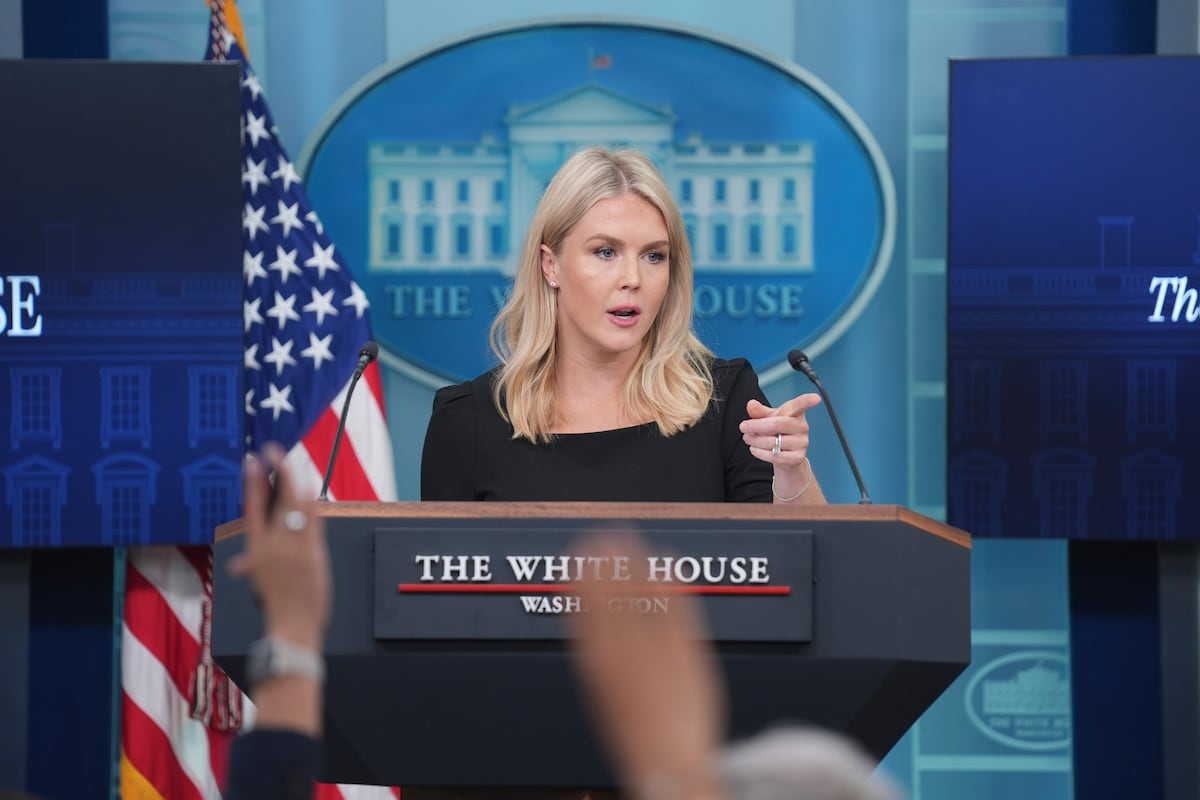
The White House has made its expectations clear: all NATO members must meet the 5% GDP defense spending target. According to White House Press Secretary Karoline Leavitt, the U.S. president expects European nations to contribute their “fair share” to mutual defense. She added that the U.S. has invested billions in collective security.
In a letter to NATO Secretary General Mark Rutte, Spanish Prime Minister Pedro Sánchez expressed his country’s reservations. He stated that a 5% commitment would be “unreasonable” and could hinder the EU’s security efforts. Spain’s current military spending is just 1.3% of its GDP.
“The U.S. is looking for everybody to say, ‘Yes, we’re going to do it. We have a plan, we’re going to get to 5%. There’s a real threat on Europe and we have to do more.’ But some of our allies say, ‘yes, 5%, but in reality it’s 3.5% plus 1.5% which could be anything. And if that is overemphasized, it can lead to a clash with the United States,”
—Kurt Volker, Former U.S. ambassador to NATO
Currently, only a handful of NATO members meet the 2% target. Considering the rising global instability, defense spending by NATO members is a central concern. According to a 2024 report, the total defense expenditure by NATO members reached $1.3 trillion, a 17% increase from 2020 (SIPRI 2024).
Summit Preview
Donald Trump is scheduled to attend the NATO summit in the Netherlands next week. During his first term, he pushed for the 2% spending goal. However, upon returning to the White House, he has increased his demands to 5%.
Sánchez‘s government favors spending 3.5% on military equipment, with the remaining 1.5% on infrastructure and other defensive investments.
The summit, set for June 24-25, will likely feature intense discussions about these spending targets and the future of the alliance’s financial commitments.
