
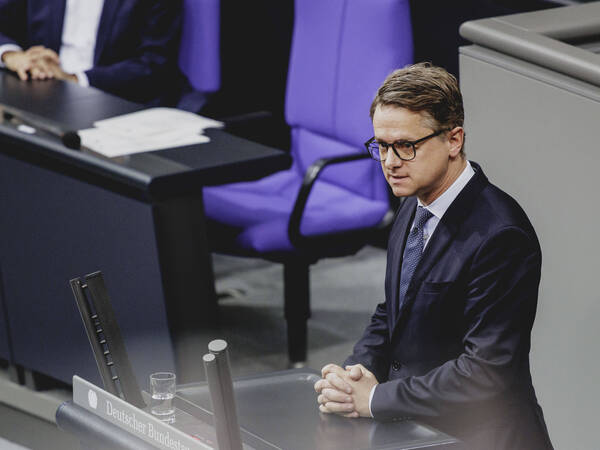
Friedrich Merz secured a hard-won majority within the CDU, but the internal dissent revealed by a recent vote-and highlighted by AfD MP Ulrike Schielke-Ziesing‘s pointed question about a “pain threshold”-suggests a meaningful cost to his leadership. Many within the CDU and CSU have demonstrably expressed dissatisfaction, potentially undermining his ability to effectively govern and unite the party.The internal fracturing stems from ongoing debates over pension policy and broader ideological divides within the conservative bloc. While Merz prevailed in Friday’s vote, the visible opposition signals a weakened mandate and a party grappling with internal conflict. This division could hamper the CDU’s ability to present a unified front against political rivals and pursue its legislative agenda, notably as 18 party members-including the grandson of Helmut Kohl and a former employee of Jens Spahn-are publicly reconsidering their positions.
AfD MP Ulrike Schielke-Ziesing provoked discussion by asking, “There has to be a pain threshold somewhere?” The question underscores the growing discontent within the CDU/CSU, where many members have already reached their limit. This internal strife contributed to Merz’s complex victory, where gaining a majority came at the expense of revealing deep-seated divisions.
