
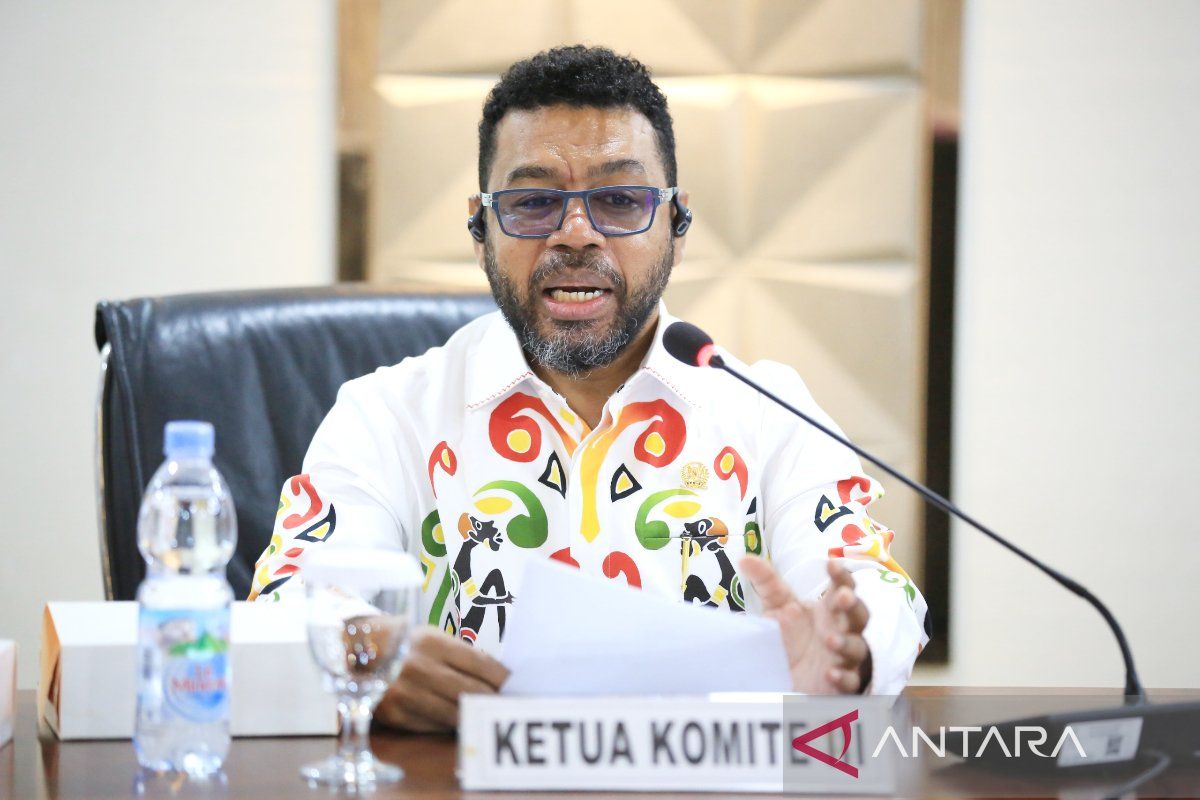
Manokwari, West Papua – A regional senator is urging increased financial commitment from both the central and provincial governments to bolster leprosy control programs in West Papua. Filep Wamafma, Chair of the Regional Representative Council (DPD) Committee III, stated current funding relies heavily on Health Operational Assistance (BOK) funds channeled through the Ministry of Health and is insufficient to meet the region’s needs.
Wamafma emphasized the need for adequate funding to cover not only medication but also healthcare worker training, facility improvements, and enhanced early detection initiatives. ”As a regional representative, I will push the Ministry of Health to allocate APBN support. The same goes for the local governments,” he said in a written statement Friday.
He also highlighted the disruption caused by frequent changes in health officials, leading to program inconsistencies. “There is no training budget, and with every change in officials, the programs change as well,” Wamafma noted, echoing concerns raised by healthcare workers.
According to the West Papua Health Office, the province recorded 422 leprosy cases as of September 2023, including 254 new cases. Current efforts include integrating leprosy control into the 2025-2029 Regional Medium-Term Development Plan (RPJMD), ensuring medicine distribution, conducting outreach, and implementing chemoprophylaxis.
challenges remain, including a shortage of trained personnel, limited funding from districts, and incomplete reporting from Pegunungan Arfak, Kaimana, and Teluk Wondama Districts. Indonesia is aiming for leprosy eradication by 2030 and has intensified elimination efforts in 111 districts and cities nationwide.
