
Weight-Loss Jabs Show Promise in Curbing Alcohol Consumption
DUBLIN — May 23, 2024 — Research indicates that weight loss jabs have shown very promising results in reducing alcohol consumption. Conducted in Dublin, the study presented too the European Congress on Obesity highlights reduced alcohol intake amongst participants using these drugs.the findings could bring significant advancements to the healthcare sector.
Weight Loss Jabs Show Promise in Curbing Alcohol consumption
New research suggests that weight loss medications like semaglutide and liraglutide may offer a surprising additional benefit: reducing alcohol consumption. A recent study presented at the European Congress on Obesity (ECO 2025) in Dublin indicates a significant decrease in alcohol intake among patients using these drugs.
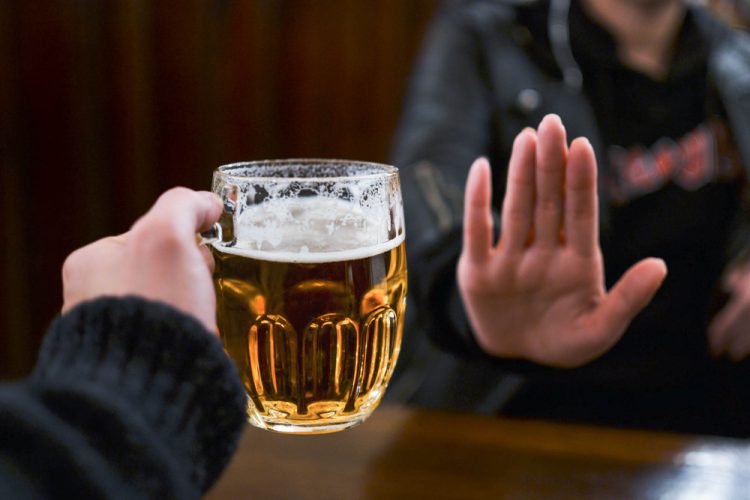
Key Findings: A Closer Look
- Significant Reduction: Patients on GLP-1 weight loss jabs reduced their alcohol intake by nearly two-thirds over four months.
- Study Group: The research involved 262 adults with a BMI of 27 kg/m² or higher, treated at an obesity clinic in Dublin.
- Medications Used: Participants were prescribed either liraglutide or semaglutide for weight loss.
- Consumption Patterns: the study categorized patients as non-drinkers, rare drinkers, and regular drinkers. No participants reported increased alcohol use during the study.
- Dramatic Drop: Among regular drinkers, average weekly alcohol consumption plummeted from 23.2 units to 7.8 units – a 68% reduction.
The Science Behind the Shift
The study, led by Professor Carel le Roux of university College Dublin, highlights the potential of GLP-1 analogues beyond weight management. The exact mechanism of how GLP-1 analogues reduce alcohol intake is still being investigated.But it is thought to involve curbing cravings for alcohol that arise in subcortical areas of the brain that are not under conscious control.Thus, patients report the effects are ‘effortless,’
Professor le Roux said.
Did You Know?
GLP-1 medications were initially developed to treat type 2 diabetes. Their appetite-suppressing effects led to their use as weight loss treatments.
GLP-1: More Than Just a Weight Loss Drug
GLP-1 (glucagon-like peptide-1) analogues, such as semaglutide (Wegovy and Ozempic) and tirzepatide (Mounjaro), mimic the GLP-1 hormone. This hormone regulates blood sugar, slows digestion, and suppresses appetite. These medications are now being explored for additional behavioral benefits, including reducing compulsive eating and drinking.
Wider Implications for Public Health
With over 500,000 people in the UK using Mounjaro or Wegovy, the potential impact is significant. Obesity costs the National Health Service (NHS) £6.5 billion a year and is linked to numerous diseases.
Reducing alcohol consumption could further alleviate pressure on healthcare systems. Alcohol use disorder contributes to 2.6 million deaths annually worldwide. A decrease in alcohol intake could ease burdens related to liver disease, mental health, and emergency admissions.
Expert Viewpoint
Professor le Roux emphasizes the broader potential of these medications:
GLP-1 analogues have been shown to treat obesity and reduce the risk of multiple obesity-related complications. Now, the beneficial effects beyond obesity, such as on alcohol intake, are being actively studied, with some promising results.
Professor Carel le Roux, University College Dublin
Looking Ahead
While the study acknowledges limitations such as the lack of a control group and reliance on self-reported data, its real-world clinical setting and prospective design offer valuable insights. Future, larger trials could solidify these findings and influence the positioning of weight loss jabs in healthcare strategies.
Pro Tip
If you are considering GLP-1 medications, discuss all potential benefits and risks with your healthcare provider. these medications require a prescription and shoudl be used under medical supervision.
