
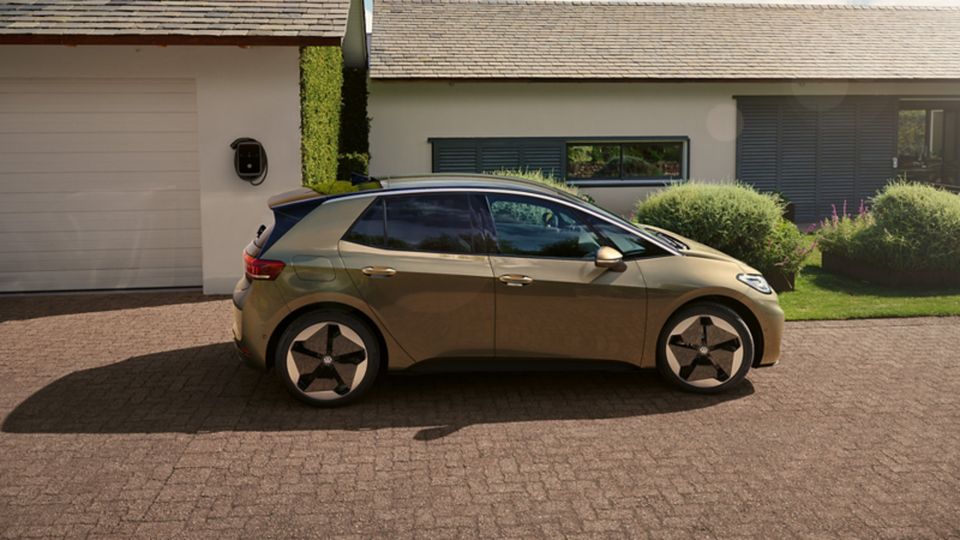
volkswagen Locks Horsepower Behind Subscription Service
Table of Contents
London, UK – August 17, 2025 – Volkswagen is facing scrutiny after introducing a subscription-based model for unlocking the full performance potential of its ID.3 electric vehicle in the United Kingdom. the move, reported by Autoexpress, raises questions about the future of car ownership and the increasing trend of automakers offering features as ongoing services.
performance on Demand
The Volkswagen ID.3 Pro and Pro models are officially rated at 201 horsepower. Though, these vehicles are capable of producing up to 228 horsepower, but access to this increased power requires a recurring subscription. Drivers can choose between a monthly fee of £16.50 (approximately €22) or a one-time “lifetime” activation cost of £649 (approximately €880). the lifetime activation is linked to the vehicle itself,meaning the enhanced performance transfers with the car upon resale.
Volkswagen asserts that increasing the vehicle’s performance does not impact its driving range. Alongside the horsepower boost, torque is also increased from 265 Nm to 310 Nm. notably, because the car is registered with the higher horsepower rating, owners are not required to notify their insurance companies of the change.
Did You Know? The practice of offering features via subscription isn’t new in the automotive industry. BMW previously faced backlash for attempting to charge a monthly fee for heated seats.
Circumventing the Subscription
Concerns are emerging regarding the potential consequences of attempting to unofficially unlock the vehicle’s full performance through “jailbreak” software. Such modifications could void the vehicle’s warranty and potentially lead to legal issues. volkswagen has yet to publicly address how it will handle instances of unauthorized performance unlocks.
Volkswagen defends its approach by framing it as simply offering drivers an option previously available in customary combustion engine vehicles. Historically, internal combustion engines have varied in performance based on trim levels and associated costs. The key difference, Volkswagen argues, is that drivers now purchase a vehicle with a base level of performance and can later “unlock” additional capabilities. This mirrors the practice of “chipping” or ECU tuning, which has long been used to increase power in conventional cars, albeit with associated risks of wear and warranty complications.
Industry Trend and Consumer Reaction
Volkswagen is not alone in exploring subscription-based features. Polestar,for example,offers a performance package as a one-time purchase. Automakers are actively testing consumer appetite for these models.Initial reactions from ID.3 owners suggest the subscription model is unpopular, with many expressing a desire to fully own the features included with their vehicle purchase.
it remains to be seen whether Volkswagen will expand this subscription model beyond the UK market. The company has aspiring plans for its electric vehicle lineup, with the upcoming launch of the ID.2,its SUV variant,and the even smaller ID.1 by 2027. These new models may introduce further subscription-based features.
Pro Tip: before purchasing a vehicle with subscription-based features, carefully consider the long-term costs and whether the benefits justify the ongoing expense.
The Future of Automotive Subscriptions
The shift towards subscription models raises the question of whether cars are evolving into a service, similar to streaming platforms. Drivers may soon find themselves paying a base price for a vehicle and then subscribing to additional features as needed. This model could fundamentally alter the relationship between automakers and consumers.
| Feature | Subscription Option | Cost |
|---|---|---|
| Increased Horsepower | Monthly | £16.50 (€22) |
| increased Horsepower | Lifetime | £649 (€880) |
Will consumers embrace this new paradigm, or will the desire for outright ownership prevail? what features are worth paying for on a recurring basis, and where should the line be drawn?
The Rise of Software-Defined Vehicles
The Volkswagen ID.3 subscription model exemplifies a broader trend in the automotive industry: the rise of the software-defined vehicle. Modern cars are increasingly reliant on software for functionality, allowing automakers to offer new features and services over the air. This shift presents both opportunities and challenges. While it enables greater customization and innovation, it also raises concerns about data privacy, security, and the potential for vendor lock-in.According to a report by McKinsey & Company, software and services are expected to account for a important portion of automotive revenue by 2030 McKinsey.
Frequently Asked Questions
- What is a car feature subscription? A car feature subscription allows drivers to pay a recurring fee to access specific features or functionalities in their vehicle.
- Is the Volkswagen ID.3 horsepower subscription available globally? Currently,the horsepower subscription is only available for ID.3 models in the United Kingdom.
- what happens if I cancel the Volkswagen ID.3 horsepower subscription? if you cancel the subscription,your vehicle will revert to its standard 201 horsepower output.
- Does unlocking the horsepower affect the car’s warranty? Unofficially unlocking the horsepower through third-party software could void the vehicle’s warranty.
- Are other automakers offering similar subscription services? Yes,Polestar offers a performance package as a one-time purchase,and BMW previously offered a heated seat subscription.
This evolving landscape demands careful consideration from both automakers and consumers. As cars become increasingly connected and software-driven, the debate over ownership versus access will only intensify.
Enjoyed this article? Share it with your network, leave a comment below, or subscribe to our newsletter for the latest insights and breaking news!
