
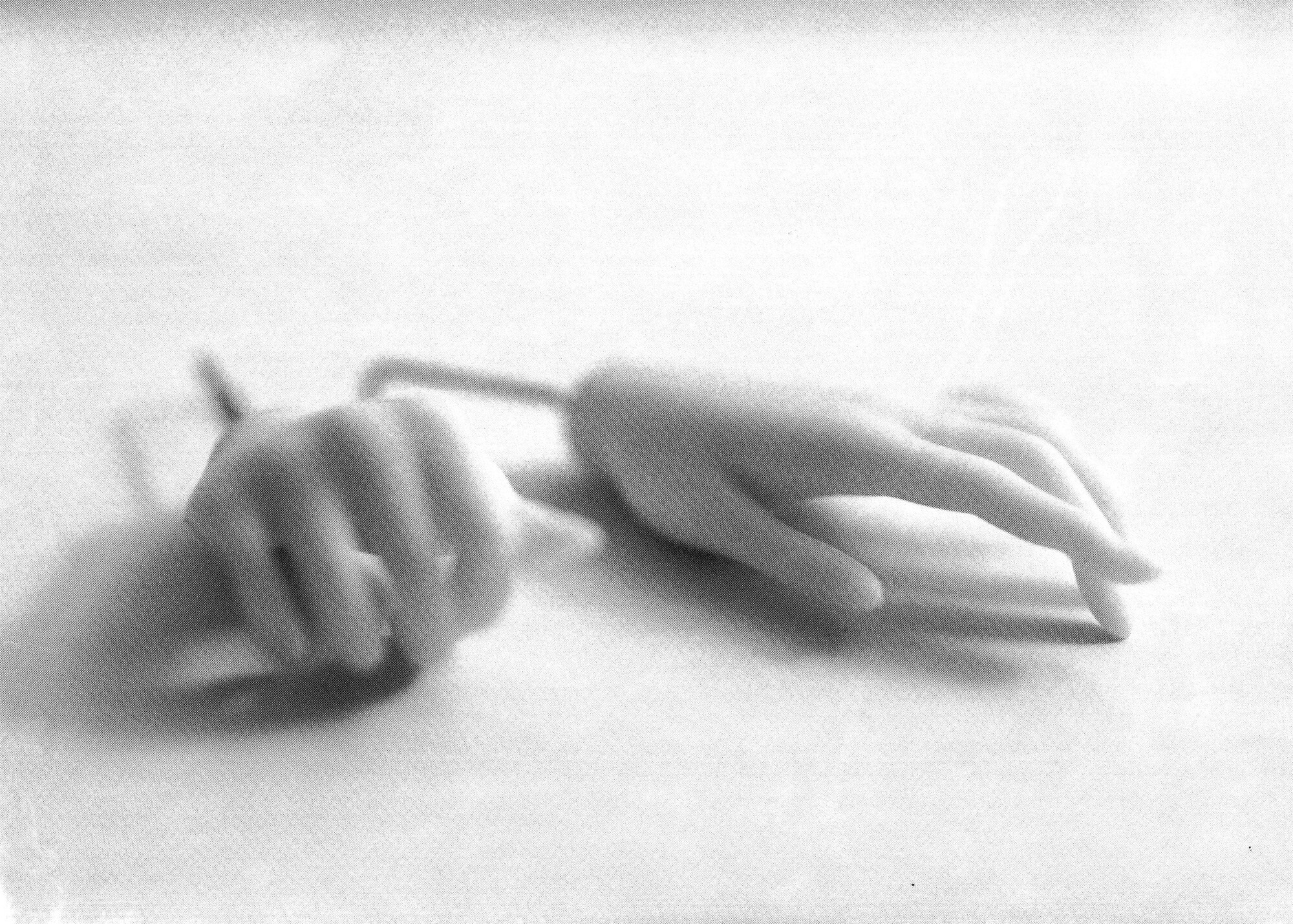
Digital Tech Reshapes Body Image Perceptions
How do algorithms and social media change how we see ourselves and others? A symposium and workshop will explore the impact of digital technologies on body image and presence, both online and in the real world.
“Viral Hallucinations” Symposium: Examining Digital Impact
The second symposium in the “Viral hallucinations”
series will investigate how digital technologies, algorithmic perspectives, and social media influence our perceptions of bodies.It aims to analyze the tensions between human vision and machine vision, considering the politics of presence in both physical and online realms.
A recent study shows that 87% of teenagers compare themselves to others on social media, often leading to negative body image perceptions. Nationaleatingdisorders.org
The symposium will address how online body images,hybrid self-imaginaries,and political conflicts reshape our sense of self and presence in public spaces.It will also consider how surveillance, censorship, and judgment influence our navigation of networked body images.
Featured Lectures and Performances
Art historian Dr. Jana Johanna Haeckel will discuss the potential of AI-generated images in art, focusing on how synthetic image technologies can address gaps in migrant and diasporic experiences within image archives.
Artist Sheung Yiu will present a performative desktop lecture exploring real-time facial recognition, juxtaposing chinese face reading practices with contemporary technology to reveal the instability of these interpretations.
Marco De Mutiis, co-curator of The Lure of the Image at Fotomuseum Winterthur, will explore how algorithmic and networked images generate affect and transform attention, creating intense experiences through software, infrastructure, and emotional responses.
Artist Jonas Hoeschl will examine the role of photographic testimony in networked image spaces, focusing on how bodies become politically charged through visual documentation and digital coding.
Dr. Annekathrin Kohout will address how social media platforms fragment and ritualize presence through affective reactions and algorithmic connectivity, turning visibility into a performative duty.
The final lecture will be presented by artist Laia Abril, who will examine systems of control and violence against women through her project “A History of misogyny,”
focusing on the roles of image making in biopolitics and representation ethics.
Workshop: Bodies Under Algorithmic Conditions
A two-day workshop will explore how narrative and algorithmic tactics reshape relationships to and between bodies. Participants will investigate agency, visibility, hybrid identities, and embodied presence in the digital age, aiming to craft counter-narratives to algorithmic visibility.
Consider exploring option social media platforms that prioritize user privacy and mental well-being to mitigate the negative impacts of algorithmic visibility.
The workshop will be led by juan Diaz Bohorquez, the European Director of the World Building Institute Berlin/Los Angeles, who has developed narrative design and world-building methodologies for films, social impact projects, and science-art collaborations.
The free workshop is open to artists, photographers, writers, journalists, students, designers, and researchers. Applications require a half-page motivational note.
The symposium and workshop are part of the “Viral hallucinations”
series conceived by Nadine Isabelle Henrich.
The event is supported by ZEIT STIFTUNG BUCERIUS.
