
Pets Pose Hidden Zoonotic Threats
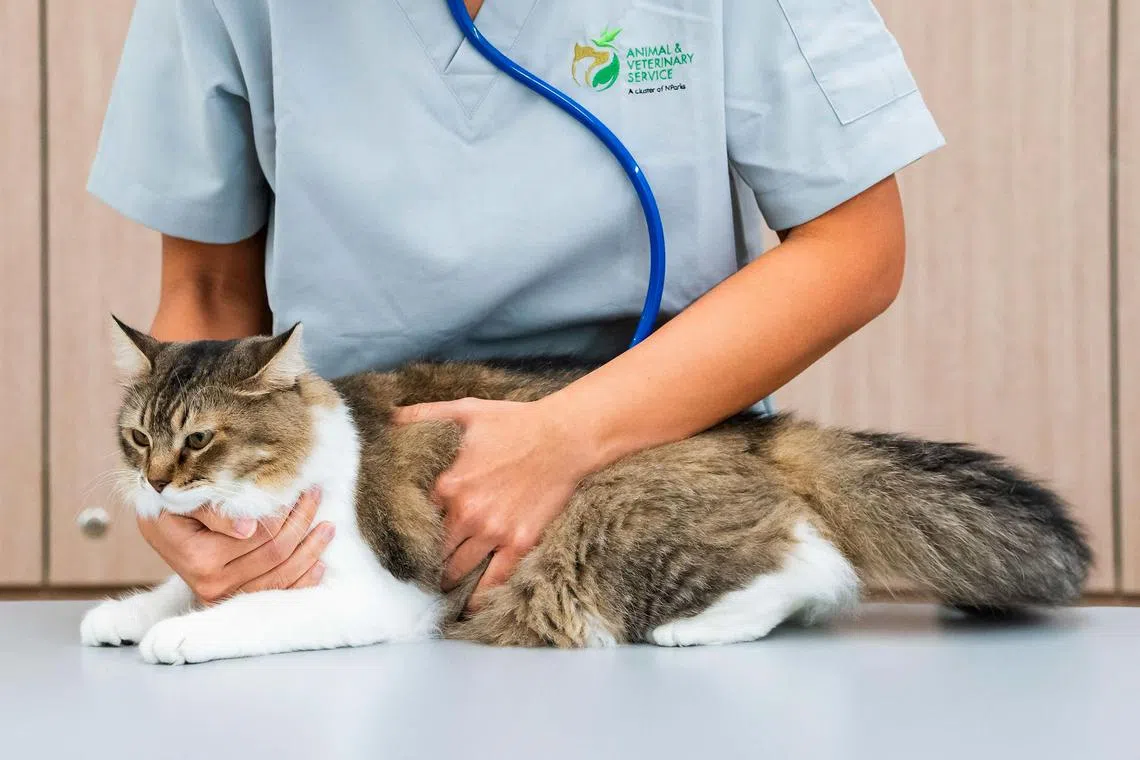
Veterinarians are key to spotting animal-to-human disease spread
Recent global health crises like COVID-19 and mpox highlight the critical link between animal and human health. Yet, the daily interactions with our beloved pets can also carry less obvious, but significant, zoonotic risks.
The Growing Zoonotic Challenge
Experts emphasize that a staggering 75% of emerging infectious diseases affecting humans originate in animals. Factors such as increasing urbanization, climate change, and global travel accelerate the transmission pathways for these pathogens.
Evolving pet care practices, including raw meat diets and closer cohabitation, further elevate the potential for zoonotic disease transmission from pets to their owners.
Veterinarians: Our First Line of Defense
Veterinarians play a crucial role in identifying and preventing zoonotic disease threats. They act as an early warning system, spotting unusual health patterns in animals that could signal broader community health concerns.
This proactive approach aligns with the “One Health” philosophy, recognizing the interconnectedness of human, animal, and environmental well-being. Collaboration between veterinary professionals, public health officials, and pet owners is essential for robust defenses.
Common Zoonotic Diseases in Pets
Several common zoonotic diseases can affect pets and pose risks to human health. Understanding these risks and adopting preventative measures is vital for pet owners.
Toxoplasmosis: A Parasite’s Reach
Toxoplasmosis, caused by a parasite found worldwide, can infect most warm-blooded animals, including cats and humans. While many infected cats show no symptoms, some may experience fever or lethargy.
To protect feline companions, owners should avoid feeding them raw meat. Keeping cats indoors, as mandated by new licensing rules in some areas starting September 2024, also helps prevent them from hunting rodents, a common source of infection.
Human infection often occurs through contact with cat feces. Daily cleaning of litter boxes and thorough handwashing after handling them significantly reduces this risk.
Salmonellosis: The Raw Meat Risk
Raw meat feeding also presents a risk for salmonellosis, a bacterial infection that can cause severe gastrointestinal issues in both pets and humans. Avoiding raw meat diets is a key preventative step.
Leptospirosis: Bacterial Threat in Urban Areas
Leptospirosis is a bacterial disease prevalent worldwide, including in urban areas prone to rat populations and stagnant water. Both dogs and humans can be affected.
Vaccinating dogs annually against leptospirosis is highly recommended. This reduces disease severity and bacterial shedding, offering protection to other animals and people.
Transmission to humans can occur through contact with infected animal urine. Practicing diligent personal hygiene, such as washing hands after handling pet waste, is crucial. Responsible waste disposal and community animal feeding practices can also help manage rat populations.
Key Prevention Strategies
Pet owners can implement several measures to safeguard their households against zoonotic diseases:
- Schedule regular veterinary check-ups, with older pets benefiting from visits every six months.
- Ensure pets are up-to-date on all recommended vaccinations and boosters.
- Feed pets nutritionally balanced, age-appropriate commercial food, or consult your veterinarian for home-cooked diet recommendations.
- Seek veterinary advice promptly if your pet shows signs of illness.
Personal Hygiene and Community Health
Human vigilance is equally important in preventing zoonotic disease spread:
- Wash hands thoroughly after interacting with pets and maintain a clean pet living environment.
- Seek prompt medical attention if you feel unwell, informing your doctor about any recent contact with animals.
- Exercise extra caution when high-risk individuals, such as pregnant women, the elderly, or those with compromised immune systems, interact with pets.
By staying informed and working collaboratively, we can effectively protect both our pets and our communities from the ongoing threat of zoonotic diseases, embodying the true spirit of One Health.
According to the Centers for Disease Control and Prevention (CDC), zoonotic diseases cause an estimated 600 million illnesses globally each year (CDC).
