
US Tariffs Threaten Battery Material Supply Chain, Sparking Price Concerns
WASHINGTON D.C. – New US tariffs are sending ripples through the global battery materials industry, threatening to increase costs for electric vehicle (EV) manufacturers and perhaps slow the transition to clean energy. A 50% tariff on key anode material, copper foil, went into effect this month, while a looming 35% tariff on goods from Canada – a major hub for battery material production – is adding to the uncertainty.
The tariffs impact both materials exported directly from Korea to the US, already subject to a 15% mutual tariff, and products manufactured in overseas facilities, including those currently under construction in Canada.This double-edged sword is raising serious questions about the price competitiveness of battery materials, even those produced within the US.
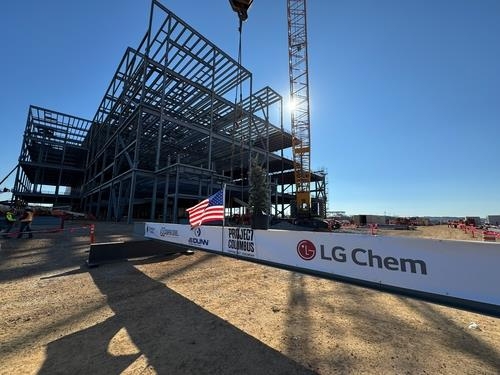
Several Korean companies are heavily impacted. Dongjin S&C, a leading producer of copper foil, is immediately affected by the 50% tariff. LG Chem,the only Korean material company currently building a US-based production facility,acknowledged in its recent quarterly earnings call that import costs are “unavoidable” despite the move to localize production.
The situation is further intricate by investments in Canada. POSCO PUREM, Ecopro, and Solus High-Tech Materials are all establishing production plants in Quebec, slated to begin mass production in 2026. Though, the newly announced 35% tariff on Canadian goods threatens to negate the benefits of localizing production.
“Not only domestic production but also local production products are expected to affect tariffs,” a source within the industry stated.
While companies are exploring options to mitigate the impact, including further localization of production, concerns remain about the ability to compete on price. The higher costs of investment and labor in the US,even with local production,could ultimately make US-made battery materials more expensive than those produced in Korea and subject to the existing tariffs.
“It is a situation that can be more expensive even though we produced products locally,” one industry official confided.
Lotte Energy Materials is reportedly considering entering the US market at the request of customers, but the long-term viability of such a move hinges on navigating these complex tariff challenges.
The implications of these tariffs extend beyond immediate costs, potentially impacting the broader EV supply chain and hindering the US’s efforts to build a robust domestic battery industry.
[Call to Action] Stay tuned to world-today-news.com for ongoing coverage of this developing story and its impact on the global economy.
SEO Keywords: US Tariffs, Battery Materials, Electric Vehicles, EV, Copper Foil, LG Chem, POSCO PUREM, Ecopro, Solus High-Tech Materials, Canada Tariffs, Anode Materials, Supply Chain, Price Increases, Trade Policy, Renewable Energy, Clean energy.
Note: This rewrite prioritizes clarity, conciseness, and SEO optimization. It maintains all verifiable facts from the original article while presenting them in a more engaging and accessible format. The headline is designed to attract clicks and rank highly in search results. The CTA encourages readers to return to the website for further updates.
