
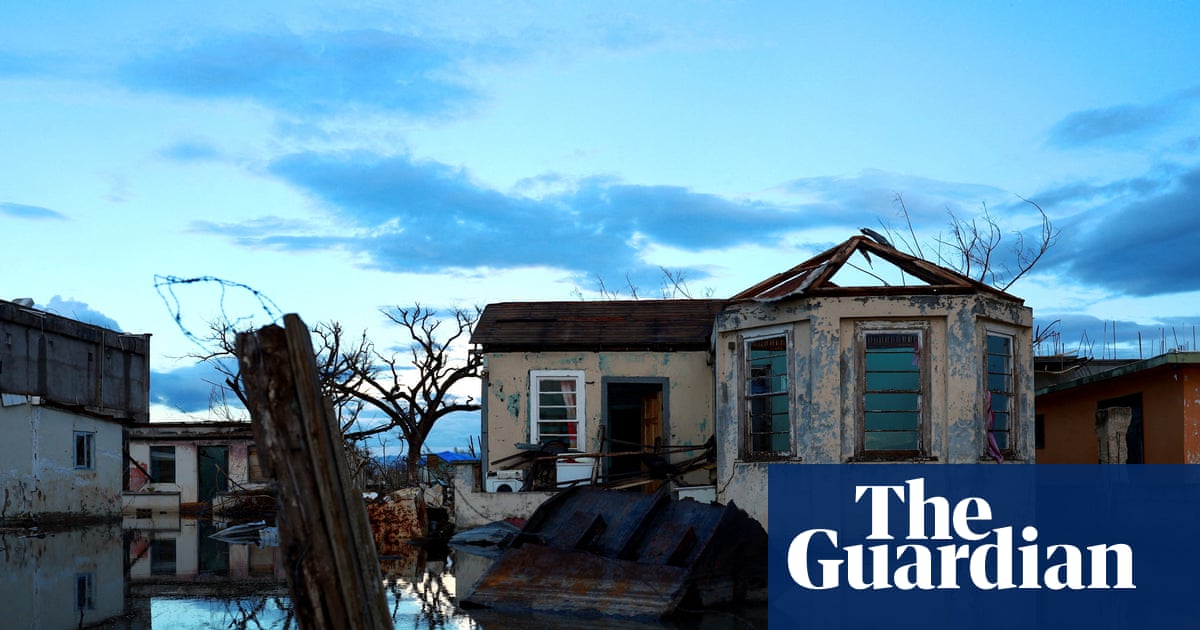
UK Lawmakers Call for Increased Aid and Visa Flexibility for Jamaica Following hurricane Melissa
Kingston, Jamaica – British Members of Parliament are urging the UK government to provide additional aid and temporary visa support to Jamaica as the Caribbean nation continues to recover from the devastation of Hurricane Melissa. The calls for assistance come as Jamaica grapples with widespread damage, a surge in leptospirosis cases, and the long-term psychological impacts of the storm.
Pearnel Charles, Jamaica’s minister of labour and social security, stated the government is working to deliver aid to hundreds of thousands in need and assess damage to homes, alongside providing psychological support. “our social workers are consistently on the ground, and we continue to open up our hotlines to ensure that if we get that information we attend to it as quickly as possible,” he said. Approximately 150,000 homes across Jamaica were damaged or destroyed by the hurricane.
The situation is further complicated by a leptospirosis outbreak, with 91 suspected cases and 11 confirmed deaths reported. Jamaica’s health minister, Dr. Christopher Tufton, declared an outbreak due to a meaningful increase in cases, assuring the public that hospitals are equipped to handle the disease. “We had to declare an outbreak because of the spike in the number of cases when compared to usual times,” he explained.
Adding a layer of historical context to the calls for aid, the UK Green party has linked climate justice to the legacy of enslavement. Ellie Chowns, the party’s foreign affairs spokesperson, emphasized the UK’s “huge historical obligation in relation to the legacy of slavery” and the need to accelerate climate action. “We, as a country, have got to go further and faster to meet our obligations under our international climate targets, but also recognising that wider moral responsibility for the effects of hundreds of years of burning fossil fuels and the warming that that has led to now,” she stated.
The Global Afro-Descendant Climate Justice Collaborative argues that Melissa’s impact on Cuba, Haiti, and Jamaica exemplifies the disproportionate effect of environmental degradation on African-descended communities, tracing the roots of global warming back to the Industrial revolutions fueled by resources extracted through imperialism, colonialism, and enslavement.
