
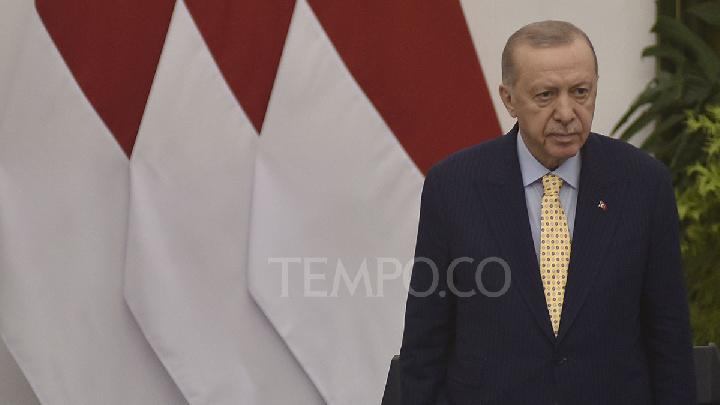
Turkiye Prioritizes Pakistan Amidst South Asia Tensions
Amidst recent regional conflicts, Turkiye’s steadfast support for Pakistan has become increasingly apparent, signaling a potential shift in its broader South Asia policy.
Unwavering Support for Pakistan
In the wake of recent India-Pakistan military conflicts, Turkiye has offered unambiguous support to Pakistan before and after the conflict.
This support, though sometimes denied by Turkish officials, has reportedly included military supplies.
While Turkish officials have denied claims of sending military supplies, sources close to the government suggest otherwise. One such claim mentioned Turkish cargo planes carrying military supplies to Pakistan.
A Shift in South Asia Policy
This alignment with Pakistan marks a departure from Turkiye’s previously stated Asia Anew Initiative,
indicating a reprioritization of security over trade in its south Asia policy. Turkish President Recep Tayyip Erdogan has repeatedly voiced his country’s support for Pakistan.
This shift is not a sudden occurrence but rather a reflection of Turkiye’s conception of a securitised South Asia,
were its national security interests are intertwined with the region’s stability.
Shared predicament and Strategic Alignment
Both Turkiye and Pakistan, according to some analysts, have experienced a decline in relevance to the Western security architecture in the post-Cold war era. This has led both nations to seek new avenues for maintaining their strategic importance.
In the post-Cold War era, both Turkiye and Pakistan have lost their relevance to the Western security architecture. Both have been searching for ways to stay relevant in the changing security landscape.
Chatham House Report
Turkiye’s growing ties with Russia, especially its purchase of the S-400 missile defense system, have drawn criticism from its NATO allies. Similarly, Pakistan relies heavily on the Chinese defense industry after facing abandonment by the West.
Choosing Pakistan Over India?
While turkiye’s Pakistan policy may not be solely focused on India, the two nations find themselves with limited allies, fostering a need for mutual support. However,the question remains whether Turkiye can maintain a Pakistan-centric policy without jeopardizing its relations with India.
Islamabad has become Turkiye’s most critically important defence ally outside NATO.
This has strained relations with India, a dilemma faced by many Muslim nations. Saudi Arabia and the UAE, though, have successfully managed to maintain relations with both India and Pakistan.
Turkiye’s past attempts to foster closer ties with India, including an offer to India involving strategic relations in exchange for normalized ties with Pakistan, have largely been unsuccessful, often resulting in backlash.
Regional Dynamics and Shifting Alliances
the period between 2019 and 2022 marked a low point in Turkiye-India relations,particularly following the revocation of the special status of Jammu and Kashmir. As 2022, there have been signs of de-escalation as India conveyed that Turkiye’s ties with Pakistan and its stance on Kashmir were hindering bilateral relations.
in 2022, Turkiye and Pakistan supported Azerbaijan in the Nagorno-Karabakh war, prompting Armenia to seek defense supplies from India, including the Akash air defense system.
India has also strengthened ties with Turkiye’s regional rivals, including Iran, Greece, Cyprus, the UAE, and Israel, in response to Turkiye’s defense relations with Pakistan, Bangladesh, and the Maldives.
India’s Evolving Foreign Policy
India’s foreign policy is evolving, with a focus on self-reliance (Atmanirbhar Bharat). The “India First” approach, emphasizing national interests, sometimes clashes with the traditional “Gujral Doctrine” of supporting neighboring countries without expecting reciprocity.
While Turkiye and China are actively pursuing transnational foreign policies through their Turkic and Ottoman pasts and the Belt and Road Initiative, respectively, India’s focus on bilateral partnerships has led to a relative neglect of regional cooperation forums like SAARC.
This shift has allowed other powers, including China, Turkiye, and the United States, to expand their influence in South Asia.
Implications for India
India must address the growing securitization of South Asia, which has enabled China, Turkiye, and other nations to forge new defense partnerships in its neighborhood.
The burgeoning Turkiye-Pakistan defense relationship represents a new reality that India must confront. Currently, India lacks a comprehensive Turkiye policy beyond transactional interests and temporary grievances, which is insufficient to counter Turkiye’s rising influence.
To mitigate Turkiye’s South Asian ambitions, India may need to enlist the support of its allies in the Arab and Islamic world, particularly Iran, Saudi arabia, and Indonesia.
Frequently Asked Questions
Q: Why is Turkiye supporting Pakistan?
A: Turkiye and Pakistan share a sense of strategic alignment, particularly as both nations seek to redefine their roles in the evolving global security landscape.
Q: How is India responding to Turkiye’s support for Pakistan?
A: India is strengthening ties with Turkiye’s regional rivals and focusing on self-reliance in its foreign policy.
Q: What is the “Asia Anew Initiative”?
A: The “Asia anew Initiative” was Turkiye’s previous policy that seemingly prioritized trade over security in South Asia. Turkiye’s current stance appears to be a departure from this initiative.
Q: What is the “Gujral Doctrine”?
A: the “Gujral Doctrine” is a set of five principles to guide India’s foreign policy with its immediate neighbours, most notably with Pakistan. It essentially states that India, as the largest country in South Asia, should give all it can to its smaller neighbours in good faith and without asking for anything in return.
Q: What is Atmanirbhar Bharat?
A: Atmanirbhar Bharat is a Hindi phrase that translates to ‘self-reliant India’. It is the vision of new India envisioned by the Hon’ble Prime Minister Shri Narendra Modi to make India a self-reliant nation.
