
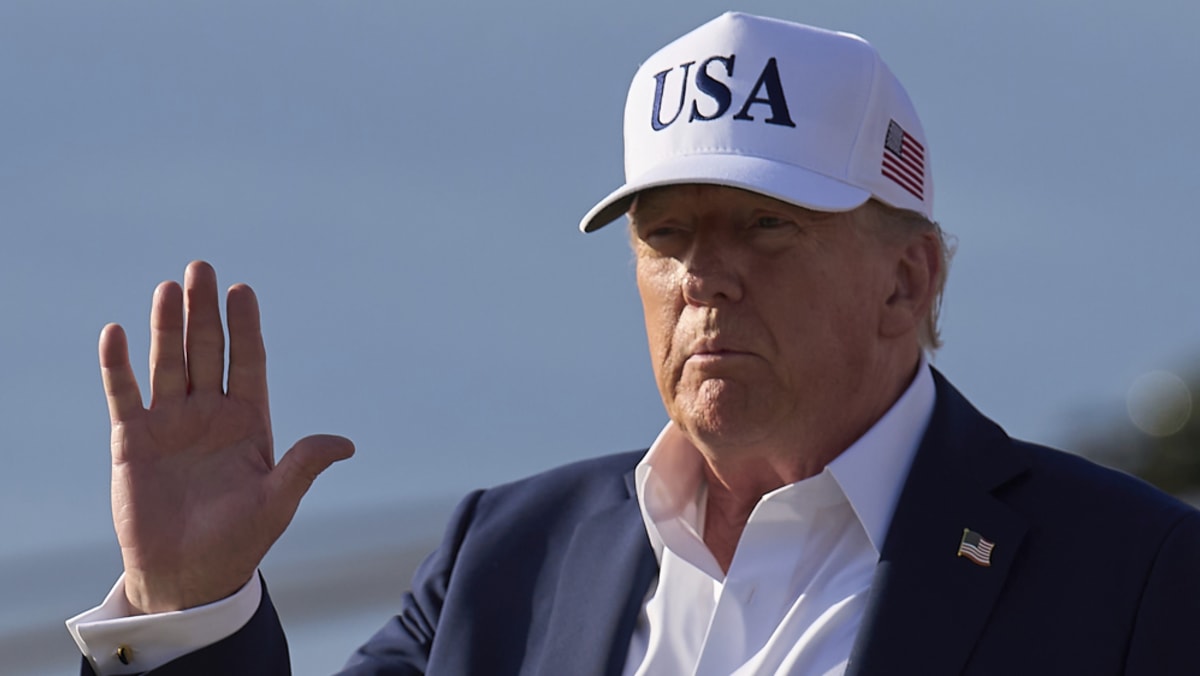
Trump Announces New Tariff Hikes Targeting Multiple Nations
Former President Donald Trump has initiated a new phase in the trade war that began earlier this year, informing trade partners that significantly higher US tariffs will commence on August 1st.
Countries Notified of Impending Tariffs
Letters were dispatched to 14 countries, including major exporters like Japan and South Korea, as well as smaller players such as Serbia and Thailand. These communications suggested potential avenues for further negotiation while also cautioning that retaliatory measures would be met with equivalent responses.
The tariff rates will vary across nations. For example, Tunisia, Malaysia, and Kazakhstan will face tariffs of 25 percent, while South Africa, Bosnia and Herzegovina will be subject to 30 percent tariffs, and Indonesia will incur a 32 percent tariff.
Serbia and Bangladesh will see tariffs of 35 percent, Cambodia and Thailand 36 percent, and Laos and Myanmar will face the highest increase at 40 percent.
Trump’s Warning
In letters shared on his Truth Social platform, Trump addressed Japan and South Korea, stating: “If for any reason you decide to raise your Tariffs, then, whatever the number you choose to raise them by, will be added onto the 25 per cent that we charge.”
It’s important to note that these new tariffs will not be combined with previously established sector tariffs on goods like automobiles, steel and aluminium.
For example, tariffs on Japanese vehicles will remain at 25 percent, instead of escalating to 50 percent by incorporating the new reciprocal rate, as has occurred with some of Trump’s other tariffs.
Trade War Timeline
The deadline for countries to finalize trade agreements with the United States was extended to August 1st, following an executive order signed by Trump. The initial global trade war was unleashed in April.
South Korea’s Response
South Korea plans to intensify trade discussions with the U.S. and views Trump’s proposed 25 percent tariff as essentially extending a grace period for implementing reciprocal tariffs.
According to the country’s Industry Ministry: “We will step up negotiations during the remaining period to reach a mutually beneficial result to quickly resolve the uncertainties from tariffs.”
As of July 8, 2024, The Heritage Foundation reported that the U.S. has 14 trade agreements in force, including those with countries that account for 40% of global GDP (The Heritage Foundation).
Previous Agreements
Only two agreements have been successfully reached so far, specifically with Britain and Vietnam.
Lack of Response
There has been no official statement issued by the Japanese embassy in Washington regarding these developments.
