
U.S. Tariffs hit Brazilian Acai Exports, Threatening Amazon Communities
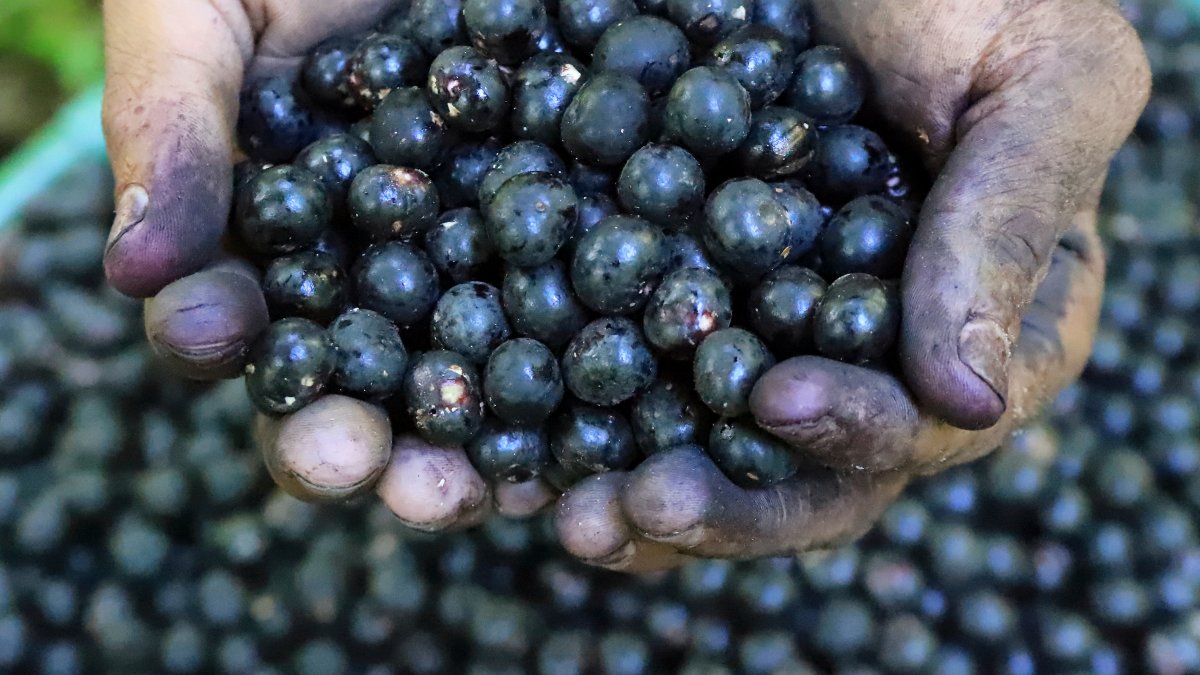
Belem, Brazil – New tariffs imposed by the U.S. government are already impacting Brazilian acai producers, causing a surplus of the popular berry and disrupting a rapidly growing export market. The move, linked by former President Donald Trump to the legal case of ex-Brazilian President Jair Bolsonaro, is raising concerns about the economic future of communities in the Amazon rainforest that depend on the acai harvest.
While several Brazilian exports have been exempted, acai berries are not among them, leaving producers scrambling to find alternative markets. The most vulnerable producers in the northern state of Para are feeling the immediate effects, as are larger exporters like Sao Paulo-based Acai Tropicalia Mix.
Rogério de Carvalho, an owner of Acai Tropicalia Mix, reported a significant drop in U.S. sales. Last year, the company exported 270 tons of acai cream to the U.S. This year, as tariffs loomed and importers hesitated, sales plummeted to just 27 tons by the end of July, representing a loss of 1.5 million Brazilian reais ($280,000). “We are confident there will be a deal between the two countries…to allow not only our clients to return, but also getting some new ones,” Carvalho stated.
A Vital Amazon Industry at Risk
Nearly all acai consumed in the United States originates in Brazil, with Para state accounting for 90% of the nation’s total production. The industry has experienced explosive growth, rising from less than one ton of exports in 1999 to over 61,000 tons in 2023, with further expansion anticipated before the tariffs were announced.
The acai harvest is a physically demanding occupation, requiring workers to climb tall trees with limited safety gear.However, it also plays a crucial role in protecting the Amazon rainforest. analysts note that acai producers often act as a deterrent to illegal logging, mining, and cattle ranching. The vibrant night markets of Belem, particularly the Ver-o-peso market, serve as central hubs for the trade, with freshly harvested berries arriving by boat and prepared for sale.Acai harvester Mikael Silva Trindade expressed concern about the future. “There will be nowhere to market (the excess of acai),” he said, highlighting the delicate balance between supply and demand. “The more you export, the more valuable it becomes. But if there’s too much to sell, it will stay here and become cheap.”
Brazil has formally requested consultations at the World Trade Organization regarding the U.S. tariffs,which went into effect Wednesday. However, some fear the action may be too late to prevent significant economic disruption. Brazil’s industry ministry has not yet commented on whether acai berries are part of ongoing negotiations with U.S. trade representatives.
Mauricio Savarese reported from Sao Paulo, Brazil.
