
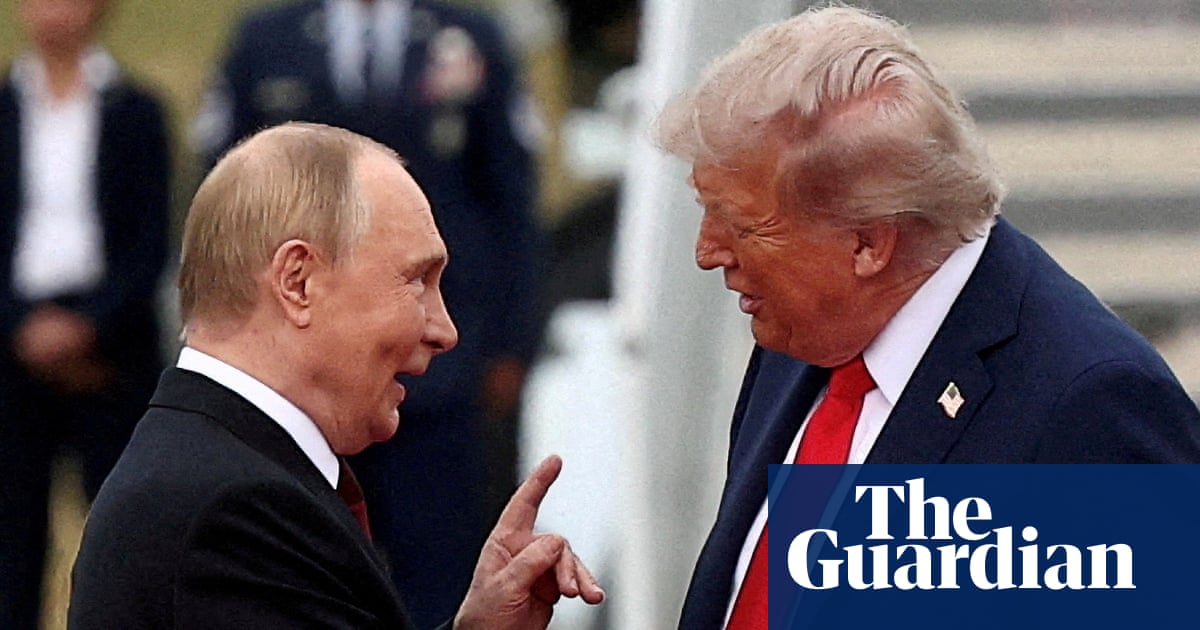
Trump–Putin Call Raises Concerns in Kyiv as Hopes for US Tomahawk Missiles Dim
WASHINGTON/BUDAPEST – A lengthy phone call between former US President Donald Trump and Russian President Vladimir Putin has cast a shadow over Ukrainian hopes for increased US military aid, particularly the potential delivery of Tomahawk missiles, and has prompted fears Kyiv’s diplomatic momentum with Washington is waning. The call, lasting over two and a half hours, occurred as Ukrainian President Volodymyr Zelenskyy was in Washington seeking further support.
The conversation has spurred plans for a potential summit between Trump and Putin in Budapest, Hungary, a progress previously indicated by Putin as unlikely. Hungarian Foreign Minister Péter Szijjártó affirmed on Friday that Putin would be permitted to enter and leave the country for the meeting, asserting Hungary’s sovereign right to host the Russian leader and facilitate negotiations with the American president.
Trump and Putin last met in Alaska in August, a meeting that did not yield significant diplomatic progress. Trump has announced further high-level talks between US and Russian officials, led by Secretary of State Marco Rubio on the US side, are scheduled for next week, preceding the proposed Budapest summit.
The shift in focus towards direct engagement with Putin has reportedly unsettled Kyiv. “Zelenskyy must be pulling his hair out. Today’s meeting with Trump is now entirely overshadowed and overtaken by the Budapest meeting,” stated John Foreman, a former British defense attache to Moscow and Kyiv.
Trump also suggested potential indirect negotiations between Putin and Zelenskyy, a departure from Zelenskyy’s consistent desire for a direct face-to-face meeting to resolve the conflict.”They don’t get along too well, those two,” Trump said, proposing a “separate but equal” arrangement.
Zelenskyy, who met with US defence contractors before his White House visit, has not publicly commented on the Trump-putin call. However, some Ukrainian officials attempted to frame the call positively, suggesting Putin’s outreach signals concern over potential new Ukrainian weapon supplies.
“Today’s call between US President Donald Trump and Putin demonstrates how even the discussion about Tomahawk missiles had already forced Putin back into dialog with America,” wrote andrii Sybiha, Ukraine’s foreign minister, on X. “The conclusion is that we need to continue with strong steps. Strength can truly create momentum for peace.”
Despite Moscow’s repeated claims of readiness to end the invasion, Putin has shown no signs of compromise or willingness to scale back his objectives for Kyiv’s capitulation. US Vice-President JD Vance echoed this skepticism on Thursday, stating that “the Russians and the Ukrainians are just not at the point where they can make a deal,” and that a settlement “remains possible but will require a lot more work.” Vance also highlighted a “misalignment of expectations,” noting that “the Russians tend to think they’re doing better on the battlefield then they actually are.”
The logistical details of the potential Budapest meeting remain “so far, of course, unclear,” according to Kremlin spokesperson Dmitry Peskov.
