
Trump’s “One Big Beautiful Bill” Boosts Fossil Fuels
Legislation favors oil, gas, and coal while scaling back incentives for renewables.
A bill championed by former President Donald Trump has cleared Congress, marking a significant shift in U.S. energy policy by bolstering fossil fuels and cutting support for solar and wind energy.
Fossil Fuel Gains
The “One Big Beautiful Bill Act” passed the House after Senate approval, prioritizing oil, gas, and coal production. Trump stated the U.S. would rely on these sources plus nuclear to meet energy needs, dismissing wind and solar.
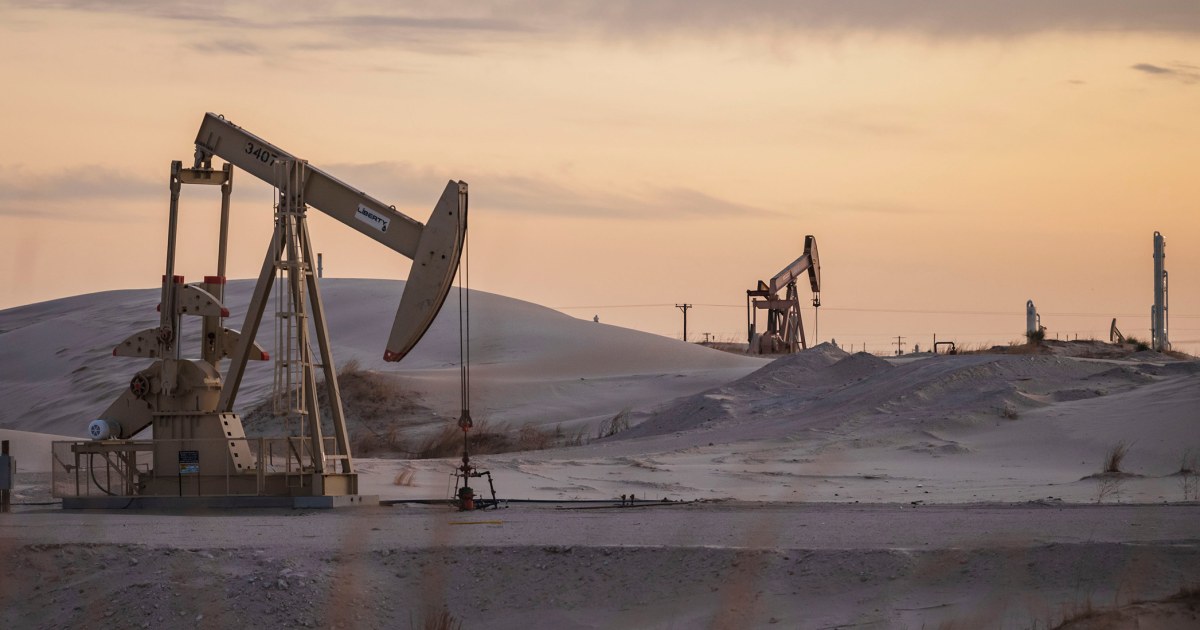
According to the bill, federal lands and waters will now be open to oil and gas drilling, reversing previous restrictions. Thirty lease sales in the Gulf of Mexico over 15 years, plus numerous others across nine states and Alaska access are included.
Royalties that producers pay for oil and gas extraction on federal lands will be reduced, potentially boosting output. The law also incentivizes using carbon capture technology to extract more crude oil.
Mike Sommers, president of the American Petroleum Institute, told CNBC that the bill will be “the most transformational legislation that we’ve seen in decades in terms of access to both federal lands and federal waters,”
and that “It includes almost all of our priorities.”
The hydrogen tax credit is extended until 2028, a welcomed change for companies like Chevron and Exxon, who are investing in hydrogen fuel projects.
The coal industry also benefits, with a mandate to open at least 4 million additional acres of federal land for mining, reduced royalties, and an advanced manufacturing tax credit for metallurgical coal.
Renewable Energy Setbacks
The legislation phases out clean electricity investment and production tax credits for wind and solar energy, which have been essential to the growth of renewables. These credits, established in 2005 and 1992 respectively, had their lifespan extended until 2032 by the Inflation Reduction Act.
Under the new law, solar and wind farms commencing operations after 2027 will not be eligible for these credits, with an exception for projects starting construction within 12 months of the bill’s enactment. The phaseout is more gradual compared to earlier versions of the bill.
Abigail Ross Hopper, CEO of the Solar Energy Industries Association, stated that “Despite limited improvements, this legislation undermines the very foundation of America’s manufacturing comeback and global energy leadership,”
when the bill passed the Senate.
The tax credit for using U.S.-made components in solar and wind farms also ends for projects after 2027, although projects starting construction within a year of the law can still claim it. This credit was intended to decrease reliance on foreign equipment.
Michael Carr, executive director of the Solar Energy Manufacturers Association, told CNBC that “If nothing changes, factories start to close,”
adding that “Factories that are on the drawing board that probably penciled [favorably] two weeks ago, maybe don’t pencil now. We’ll see investment slow down in the sector going forward.”
The Environmental Impact
According to the U.S. Energy Information Administration, coal production in the United States totaled 485 million short tons in 2023, a slight increase from the prior year but still significantly below the peak production levels of the early 2000s (U.S. EIA). This legislation could reverse the trend towards renewable energy, potentially increasing carbon emissions.
The future impact of this bill on the energy sector remains to be seen, but it signals a clear change in direction for U.S. energy policy.
