
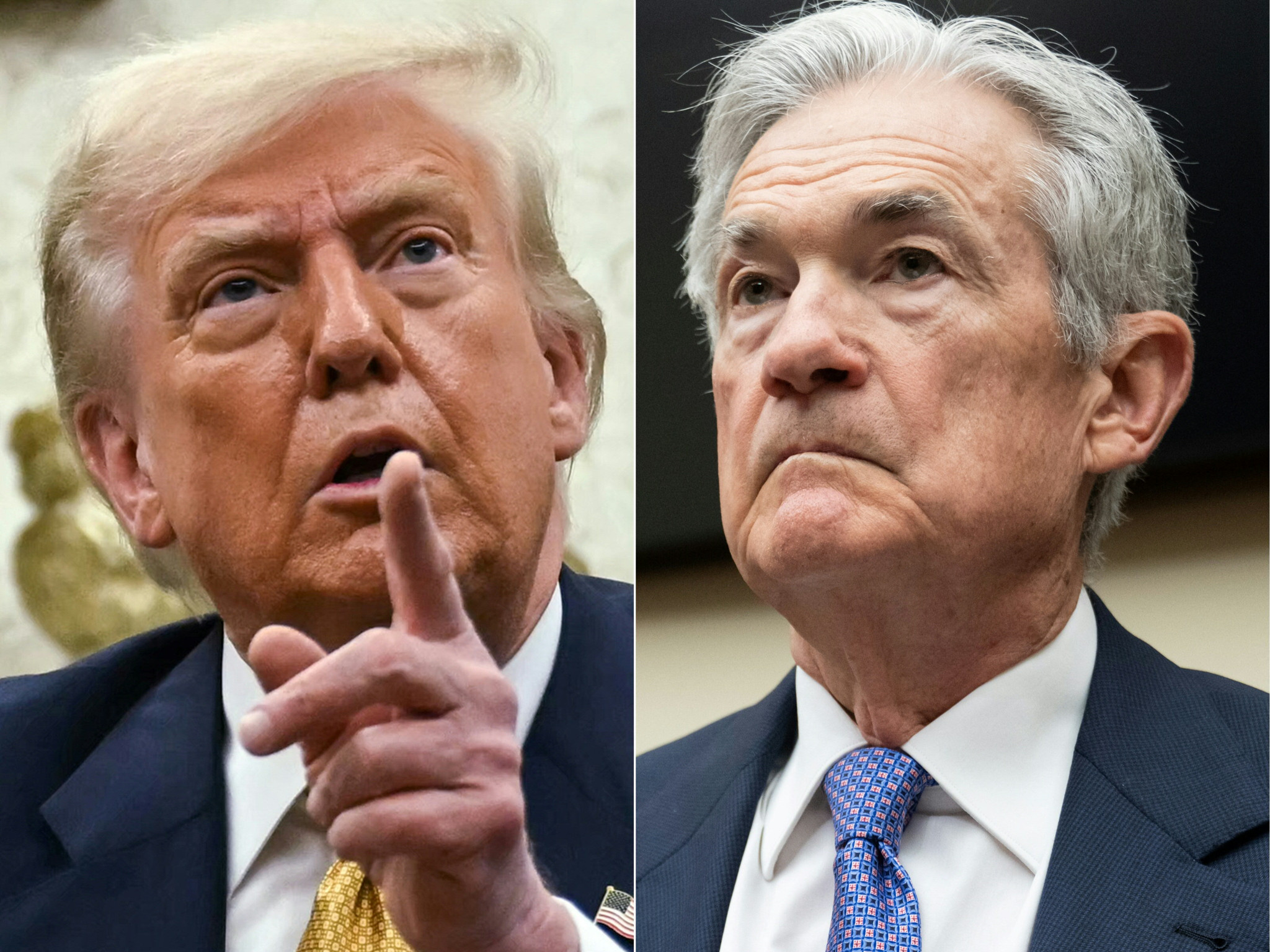
US President Donald Trump has intensified his criticism of the Federal Reserve and its chairman, Jerome Powell, sparking concerns about the central bank’s independence. Trump has repeatedly voiced his displeasure with the Fed’s monetary policy, arguing that it is hindering economic growth.
The Federal Reserve, established in 1913, is the central banking system of the United States. Its primary mandate is to promote maximum employment, stable prices, and moderate long-term interest rates. The Federal open Market Committee (FOMC) is the principal monetary policymaking body of the Federal Reserve.
Trump’s public commentary on the Fed’s actions is unusual, as central bank independence is considered crucial for effective monetary policy. Historically, presidents have largely refrained from publicly criticizing the Fed’s decisions to avoid influencing market sentiment or undermining the institution’s credibility. The Federal Reserve operates independently of the executive branch, although its Board of Governors is appointed by the President and confirmed by the Senate.
The current economic climate, characterized by a growing economy and low unemployment, has been a focal point of the debate. Trump’s administration has often credited its policies for the positive economic indicators, while Trump himself has suggested that the Fed’s interest rate policies are a drag on further expansion. Powell, as the appointed head of the Fed, has defended the central bank’s decisions as being data-driven and aimed at long-term economic stability.
The relationship between the executive branch and the Federal Reserve has been a subject of discussion throughout history. While presidents appoint fed leaders, the institution’s operational independence is designed to shield monetary policy from short-term political pressures. This independence is seen as vital for maintaining confidence in the U.S. dollar and the stability of the financial system.
