
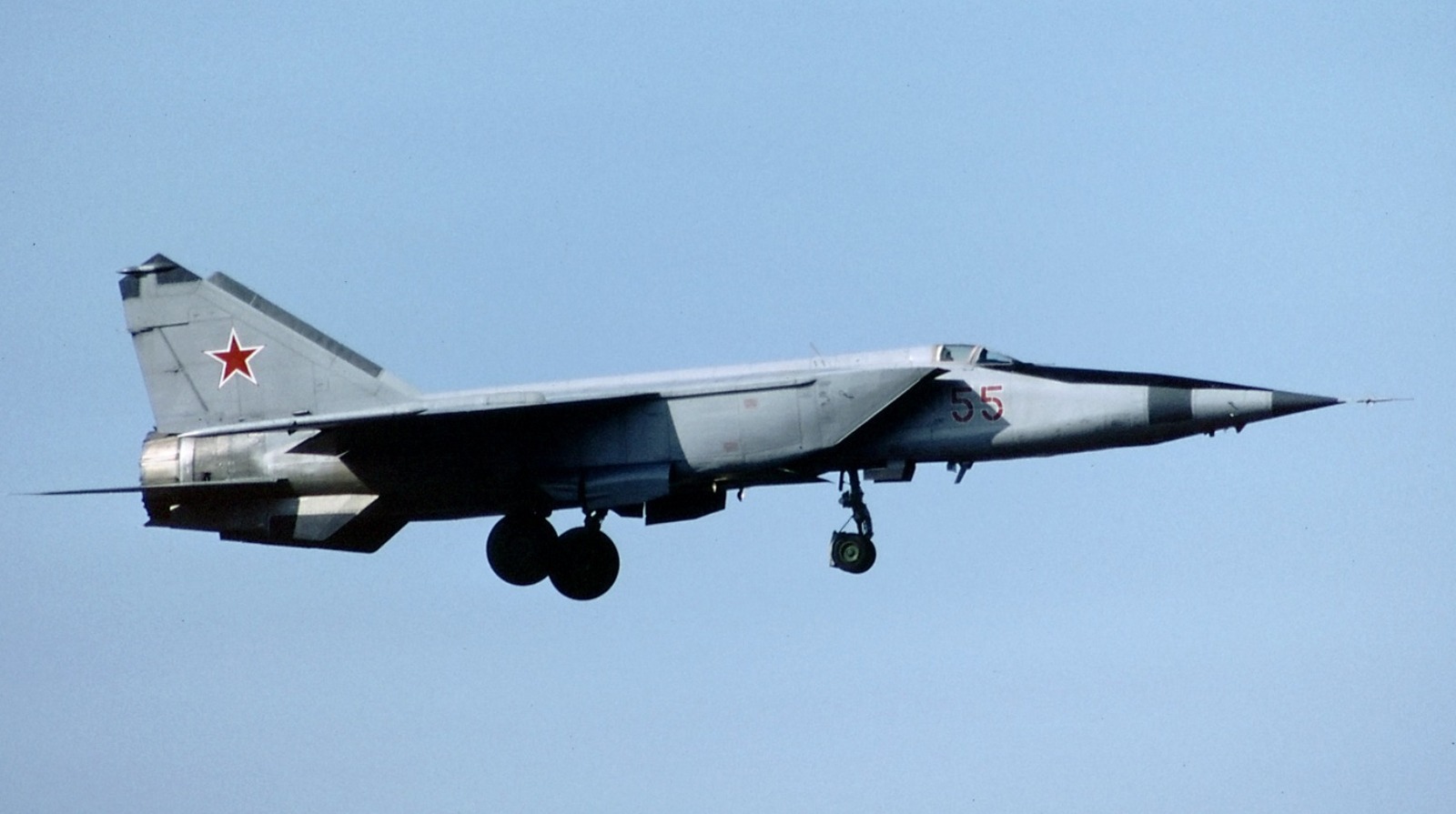
soviet PilotS defection Triggered Rapid Upgrade of Iconic MiG Fighter Jet
TOKYO – A daring 1976 defection by Soviet pilot Viktor Belenko, flying a MiG-25 foxbat fighter to Japan, spurred a dramatic acceleration in the advancement of the more advanced MiG-31 Foxhound, according to historical accounts and aviation experts. The incident provided the United States with its first possibility to thoroughly examine Soviet fighter technology, revealing vulnerabilities in the MiG-25 that Moscow swiftly sought to address.
The defection and subsequent analysis of the MiG-25 exposed its limitations – immense fuel consumption, less effective radar due to reliance on vacuum tubes, and a design prioritizing speed over maneuverability. While the MiG-25 initially instilled fear in the U.S., prompting the development of the F-15 Eagle, its weaknesses became clear upon close inspection. This intelligence directly influenced the Soviet Union’s decision to fast-track the development of the mig-31, aiming to create a more capable interceptor that realized the MiG-25’s original potential.
Belenko landed his mig-25 at Hakodate Airport in Japan in September 1976, requesting political asylum in the United States. Caught between Soviet demands for his return and Belenko’s plea, Japan ultimately granted him asylum in October of that year, and he later became a U.S. citizen under President Carter, adopting the name Viktor Schmidt. He passed away in 2023 after a career with the U.S.Air Force.
The MiG-31, designated “Foxhound” by NATO, directly addressed the shortcomings of its predecessor. It featured more efficient D-30-F6 engines, increased fuel capacity for extended range, and significantly improved radar and instrumentation. As Flightglobal’s Stephen Trimble described to the BBC, the MiG-31 was “essentially a full realization of what the MiG-25 was supposed to be.”
The differences between the two aircraft – speed (MiG-25 Mach 2.8, with a recon variant reaching Mach 3.2, versus the MiG-31’s improved capabilities), range, and radar effectiveness – are largely attributed to the lessons learned from Belenko’s defection.The incident remains a pivotal moment in Cold War aviation history, demonstrating how a single act of defiance could reshape the technological landscape of aerial warfare.
