
EFF Urges Arizona Court too Safeguard Student Speech adn Privacy Rights
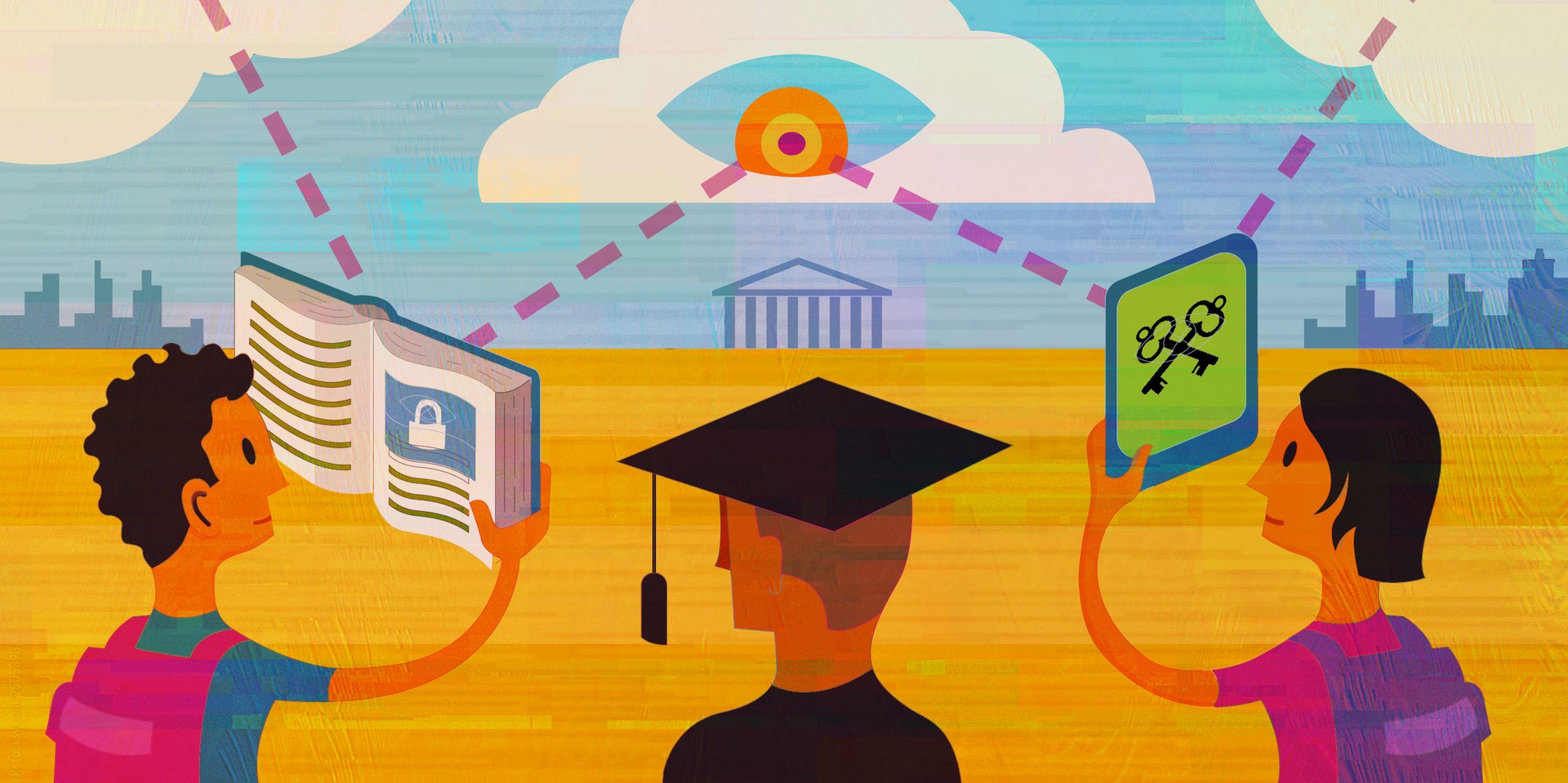
The Electronic Frontier Foundation (EFF) has filed a brief with the Arizona District Court,advocating for the protection of public school students’ freedom of speech and privacy in the face of increasing digital surveillance. The EFF argues that a legal interpretation allowing schools to punish students for off-campus online activity, effectively treating them as perpetually “on campus” when using school-issued devices and accounts, poses significant risks to student rights and exacerbates existing inequalities.
The EFF’s argument centers on the “chilling effect of digital surveillance” on students’ willingness to express themselves freely. The organization contends that knowing schools are constantly monitoring activity on Chromebooks and Google Accounts will lead students to self-censor, avoiding topics or information potentially disfavored by school officials. This constant oversight, coupled with the expanded legal authority schools claim over students’ digital lives, creates an habitat where speech is curtailed.
Furthermore, the EFF warns that such an “on campus” rule will disproportionately impact lower-income students. These students are ”more likely to rely on school-issued devices” as their families cannot afford personal technology, creating a “pay for privacy” scheme. Wealthier students, able to utilize personal devices and accounts, enjoy greater speech protections, while their less affluent peers are subjected to increased surveillance and potential disciplinary action.
The brief also highlights concerns about the inherent flaws of student surveillance technologies. These technologies are described as “privacy invasive” and “inaccurate,” leading to unneeded investigations, the disclosure of sensitive information, and disruptions to learning.
The EFF is urging the Arizona district Court to reject this expansive view of school authority and instead protect students’ fundamental rights. As stated in their brief, students – particularly high schoolers – “need some sphere of digital autonomy, free of surveillance, judgment, and punishment…to express themselves, to develop their identities, to learn and explore, to be silly or crude, and even to make mistakes.”
