
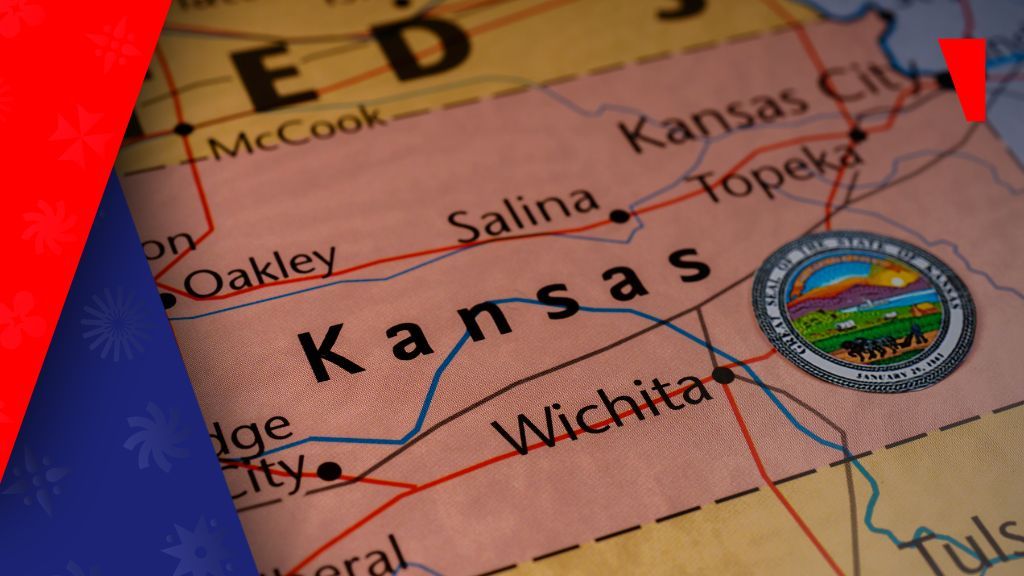
Kansas Sportsbook Tax System Faces Scrutiny, Potential Overhaul looms
TOPEKA, KS – Kansas’s sports betting revenue model is under increasing pressure from state lawmakers concerned about underperforming tax collections, fueled by operator deductions of promotional credits. While designed to attract bettors, these deductions are substantially impacting state revenue, notably given Kansas’s already low tax rate. A potential overhaul of the system is now being actively considered, with a critical juncture approaching in 2027.
the core of the issue lies in the practice of sports betting operators deducting promotional credits – like frequently advertised “free $100 bets” – from their taxable revenue.Lawmakers believe closing this loophole could recover millions in tax revenue without increasing the current tax rate.
Concerns are escalating within the Kansas legislature. Congressman Tom Kessler voiced his worry that Kansas isn’t receiving its fair share of revenue, stating a desire to find a ”better way” to increase profits without damaging the industry. Congressman Francis Awerkamp was more blunt,labeling the current system a “complete failure” and questioning the viability of maintaining multiple operators,even suggesting a potential shift to a single-operator monopoly model. He highlighted Kansas’s low ranking in sports betting revenue generation.
Advocates for reform point to the potential for increased funding for essential state services.Raising the tax rate to 15% or 20% could generate funds for schools, healthcare, and infrastructure. Though, even without a tax rate increase, eliminating the deduction of promotional credits could bring revenue closer to the 10% originally projected by the state.
The situation is further complex by neighboring Missouri‘s recent legalization of sports betting at a 10% tax rate. Last year, 37% of geolocation checks for Kansas sportsbooks originated in Missouri, indicating a meaningful influx of out-of-state betting.With Missouri now offering legal sports betting, Kansas risks losing this valuable import revenue. Critics caution that higher tax rates could inadvertently drive bettors towards illegal operators, making regulation more difficult.
The debate extends to the structure of the market itself. Some lawmakers propose reducing competition by adopting a single-operator model, similar to that of Duck creek. Others maintain that despite lower tax revenues, the current multi-operator system provides a more engaging and user-friendly betting experience.
Looking Ahead: 2027 Reset
Currently, all six licensed operators – BETMGM, CAESARS, DRAFTKINGS, ESPN BET, FANATICS, and FANDUEL – operate under five-year license agreements with the Kansas Lottery, set to expire on August 31, 2027.
A bill passed by the Kansas Lottery office in April 2025 prohibits contract renewal negotiations before July 2026, effectively setting the stage for a complete reset of the sports betting market. Lawmakers are already preparing for this pivotal moment, analyzing the current system and considering potential reforms. The next two years will be crucial in determining whether Kansas will maintain its current approach or embark on a significant overhaul of its sports betting regulations.
The article also promotes the Sigma Central Europe conference, to be held in Rome from November 3-6, 2025.
