
Crisis in Cuba: When is a Health Emergency Declared and What is it For?
CubaS Public Health Law, approved in December 2023, outlines the Ministry of Public Health’s (Minsap) authority regarding health emergencies. Article 67 establishes Minsap’s responsibility for “establish[ing] the scientific,technical and methodological regulation for the promotion of health,the prevention and control of communicable and non-communicable diseases,attention to epidemiological or health emergency situations,the health control of the community,institutional and international environment,the state health inspection and microbiology.”
Further defining this authority, Article 71.1 states that Minsap “in situations of epidemiological emergency, in cases of epidemics, pandemics or other events of a serious nature for human health, or that imply the danger of the introduction of communicable diseases, dictates the health measures required for their prevention and control, which are mandatory for all people in the national territory.” Article 72 adds that Minsap “in situations of epidemiological emergency, informs and proposes to the Government of the republic of Cuba the required health interventions, under ethical and regulatory principles, taking into account the risk-benefit for individuals, groups and society in general.”
Decision-making power regarding these situations is centralized within Minsap and the National Defense Council (CDN). the CDN, Cuba’s highest governing body for defense and security, is responsible for “organizing, directing and preparing the country (…) for its defense, and ensuring compliance with current regulations relating to the defense and security of the nation.” The CDN is officially chaired by President Miguel Díaz-Canel.
This centralized structure grants the Cuban Government exclusive authority to officially declare and communicate emergency situations, and also allows for the potential to withhold or manipulate details without public accountability. Notably, a state of emergency has never been officially declared in Cuba, even following the impact of devastating cyclones.
why the Reluctance to Declare a Health Emergency?
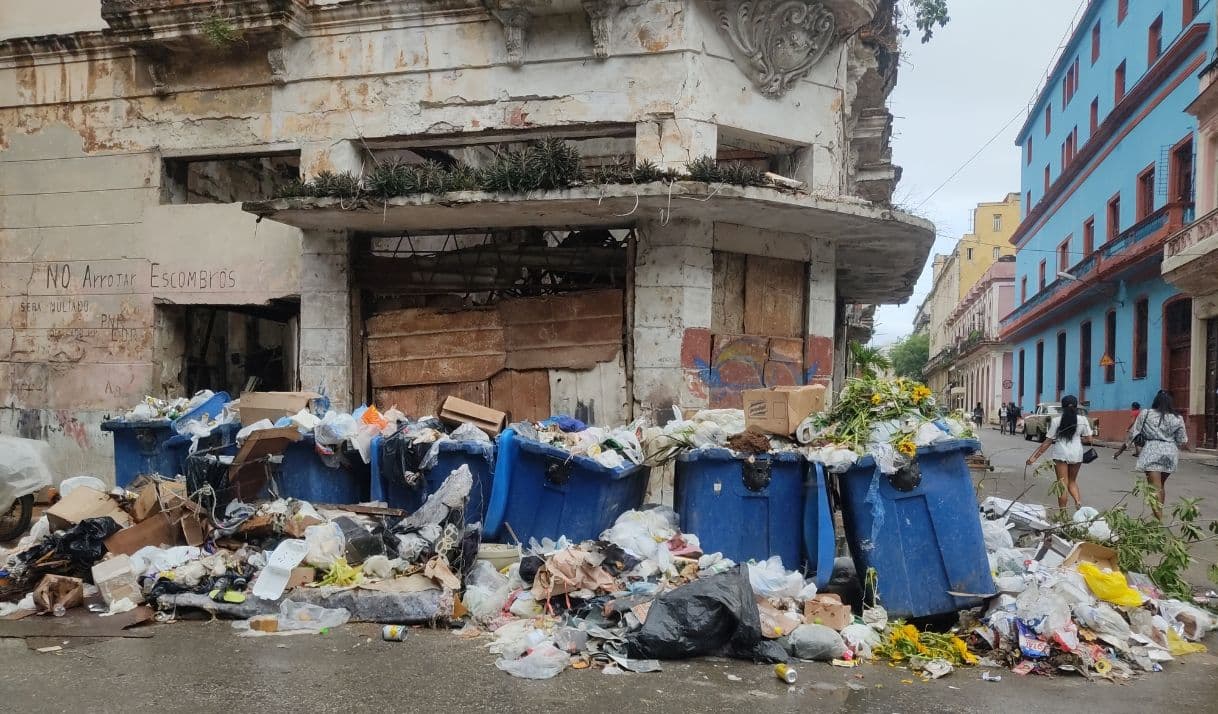
Analysts suggest that acknowledging the need for a health emergency declaration would force the Cuban regime to publicly admit the deterioration of its healthcare system, perhaps leading to negative political and diplomatic repercussions.
Furthermore, a declaration could invite increased international scrutiny and requests for external aid, which the Cuban Government reportedly prefers to manage independently.
The Role of International Organizations
Organizations like the World Health Organization (WHO) and its regional arm, the Pan american Health Organization (PAHO), possess the capacity to issue alerts and offer technical or material assistance. However, they cannot unilaterally declare an emergency within a country without its consent.
Currently,PAHO maintains a diplomatic and reserved relationship with Cuban authorities. A formal declaration of a health emergency would facilitate the channeling of resources, prioritization of critical areas, guarantee access to essential medicines, and potentially restore public trust.
