
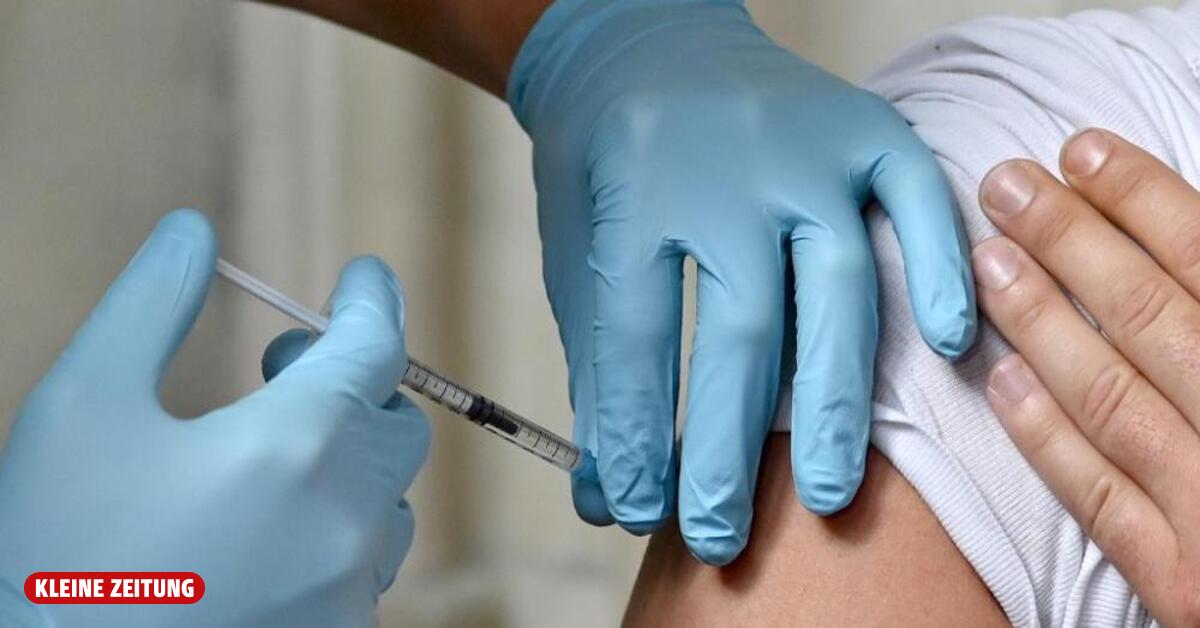
Austria Discards more COVID-19 Vaccines Than Administered, Faces Future Procurement Challenges
Austria has discarded more COVID-19 vaccine doses than it has administered to date, according to official government reports and confirmation from teh Ministry of Health.As of mid-November, approximately 21.8 million doses had been given, while 26.7 million doses have been wasted. The remaining vaccine stock is either currently stored or has been donated.
The current EU framework contracts for central vaccine procurement are set to conclude next year, with a final delivery of 300,000 doses expected in 2026 – a quantity roughly equivalent to the number of vaccinations administered in Austria this year. The government is planning to share the financing of future vaccine procurement with the states and social security institutions, mirroring the approach used for other vaccinations, with a target of each covering one-third of the costs.
EU Contracts and Costs Remain Largely Confidential
The EU’s centralized procurement process, initiated in December 2020, facilitated high vaccination rates across Europe. However, the financial details of the contracts with vaccine manufacturers remain confidential, despite legal challenges from journalists who initially won a case demanding transparency. The EU is currently appealing that decision, and the dispute remains unresolved.Leaked facts from Brussels suggests the price of the Biontech/Pfizer vaccine initially cost €15.50 per dose,later increasing to €19.50.
Based on these figures, wasted vaccines in Austria represent a loss of approximately €500 million. The Ministry of social Affairs reports disposal costs have already reached €200,000. Around 10 million doses have been donated to lower-income countries through a solidarity program, and approximately one million doses remain in stock with an 18-month frozen shelf life.
Factors Contributing to Vaccine Waste
Several factors contribute to the high rate of discarded vaccines. Approximately 18 million doses were disposed of in 2023 alone,a figure driven by the terms of the supply contracts. Even with full vaccination of the Austrian population, a critically important surplus would have been unused. Declining demand is also a key factor; vaccinations have fallen from around 450,000 in the previous year to 300,000 this year, despite the procurement of an additional three million doses.
Furthermore, Pfizer’s continued delivery of vials containing six doses, with a very short 24-hour shelf life once opened, presents logistical challenges, particularly for smaller vaccination practices.The Ministry acknowledges this, stating that low demand ofen results in unused doses and the federal government bears the full cost of this waste.
Requests for manufacturers to provide individual doses to minimize waste have been made at the EU level, but are not currently included in the existing framework agreements, despite being approved for use within the EU.
Current Vaccination Recommendations
the National Vaccination Board currently recommends annual COVID-19 booster shots,particularly for individuals at higher risk of severe illness. This includes those over 60, pregnant women, individuals with obesity, and people with specific chronic conditions.
