
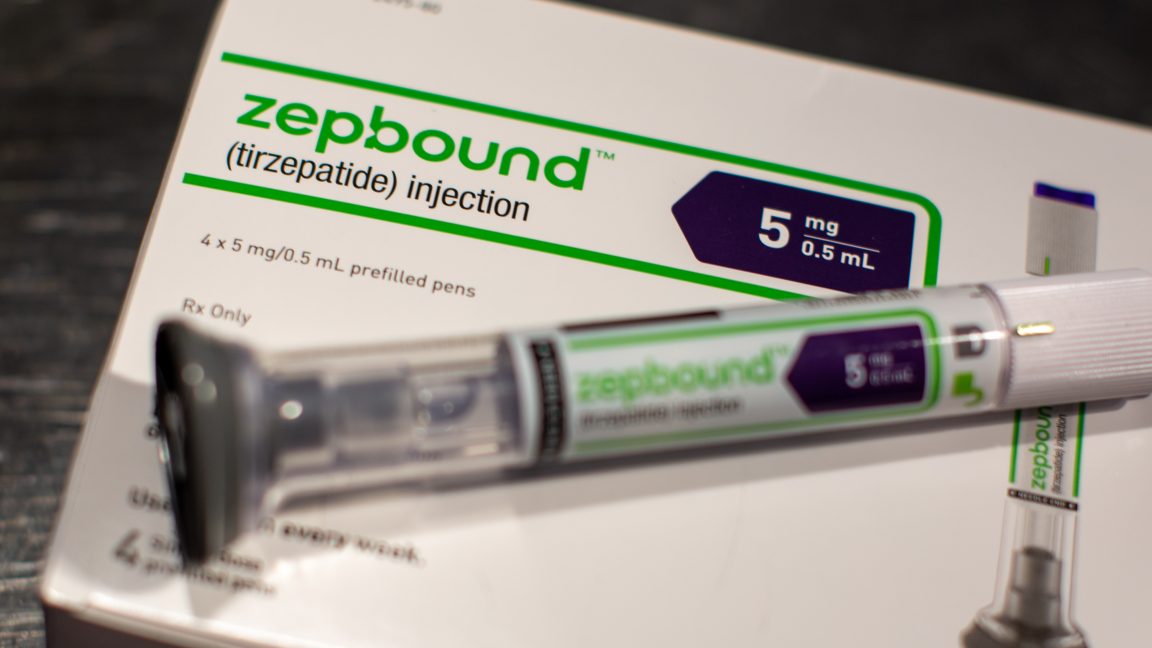
Weight Regain Common After Stopping tirzepatide, Study finds
A recent study examining the effects of discontinuing the anti-obesity drug tirzepatide reveals notable weight regain is common, with most patients experiencing a reversal of metabolic and cardiovascular benefits. Of 308 participants who initially benefited from the medication, 82% regained at least 25% of their lost weight within 88 weeks of stopping treatment.This rose to 57% regaining over half the weight lost, and 24% regaining at least 75%. Generally, the extent of weight regain correlated with a decline in previously achieved health improvements.
Though, the study also identified a subset of patients who fared better. Approximately 17.5% (54 participants) experienced minimal weight regain – less than 25% – after stopping tirzepatide. While some health markers, like blood pressure, showed slight worsening in this group, overall cholesterol levels remained relatively stable. Notably,around 4% of participants (a dozen individuals) continued to lose weight even after discontinuing the drug. Researchers were unable to identify any consistent demographic or clinical factors that distinguished this prosperous group.
The study involved an abrupt cessation of the medication, a scenario not reflective of all patient experiences. Experts point out that many individuals may prefer a gradual tapering of dosage,but currently,there is limited data to support optimal weaning protocols. Furthermore, a slow taper may not be feasible for those who experience unexpected loss of access or insurance coverage. Strategies like increased physical activity or calorie restriction concurrent with drug reduction are potential avenues for exploration, but require further inquiry.
Beyond the challenges of stopping treatment, researchers emphasize the need to understand the impact of weight fluctuations themselves. Existing research suggests that weight regained after intentional loss might potentially be disproportionately composed of fat mass, potentially posing health risks.
Given these findings, clinicians should approach prescribing anti-obesity medications with the understanding that they may be required as long-term therapies, similar to managing other chronic conditions. Experts caution that further research is crucial to develop effective strategies for safely discontinuing these drugs and mitigating the potential negative consequences of weight regain.
